Indoor vs Outdoor FTP: Why the Numbers Diverge
5 min read

Indoor and outdoor FTP can diverge because device setup, cooling, road conditions, pacing, and protocol change the power you can sustain.
On this page
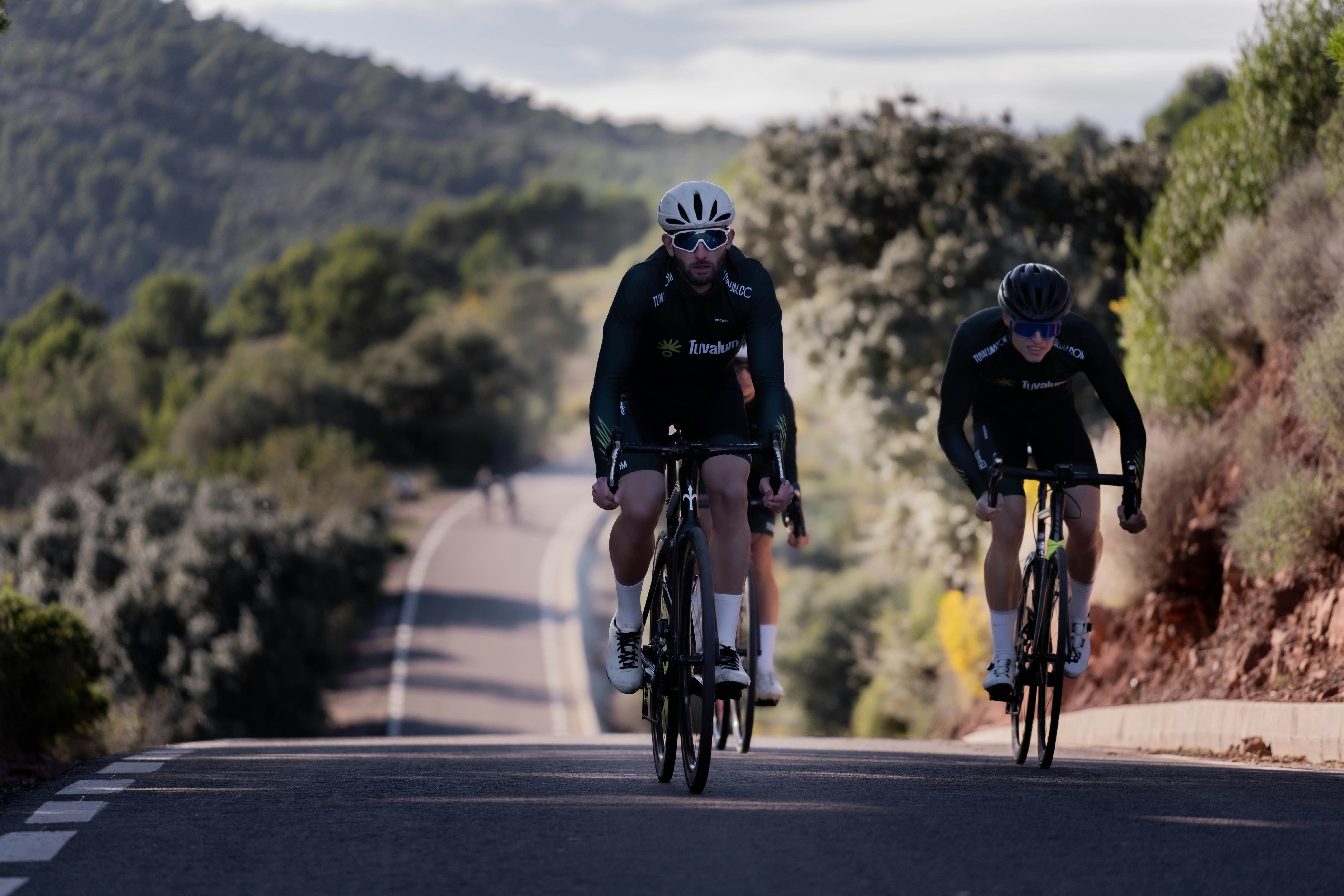
Indoor and outdoor FTP often differ because measurement, environment, pacing, and equipment change the power you can sustain.
Your threshold did not disappear when one test reads lower than another. The training system around the test changed, so the number needs context before it changes your zones.

Photo by Rapha Wilde on Unsplash.
Indoor and outdoor FTP can split for simple reasons before deeper physiology enters the story. A smart trainer and a road power meter may not read the same load, especially if setup and calibration drift.
Start with the measuring chain: pedals, crank, hub, trainer, firmware, tire pressure, and warm-up all shape the number. If your devices are not matched, review accurate power setup habits before you treat either value as truth.
Environment also changes the work you can hold. Indoors, less airflow can make the same power feel harder, while outdoors wind, road surface, grade, and traffic can break steady pacing.
Position matters because your body is not locked into one pattern outside. Standing, cornering, micro-surges, and road feel can change how you make power, even when average watts look tidy.
Test design is another source of noise. A hard start, weak warm-up, or different test type can shift the outcome, so compare field test setup choices before comparing your fitness.
Use one device as your reference for each test block.
Pair the head unit and trainer the same way each time.
Use strong airflow indoors and note room feel.
Keep warm-up, cadence, and pacing cues the same.
Do not mix ramp, 20-minute, and field results blindly.
This keeps the test context stable before you change your threshold.
In N+One terms: the training system around you shifts the measured threshold; don’t assume the number itself moved without checking the context.
The cleanest comparison uses the same protocol, the same power source, and a setup that matches your normal training. If you train indoors most weeks, your indoor number should guide those workouts.
If you race or ride key sessions outside, test outside with the same power meter when conditions are calm. Your goal is not a perfect lab value; it is a number that sets useful work targets.
Protocol changes can matter as much as location. Before changing zones, check whether your result came from 20-minute and ramp test differences, not a true shift in fitness.
Use conversions with care. A fixed indoor-to-outdoor offset sounds tidy, but it can hide device bias, pacing skill, cooling, and rider position.
When progress slows, do not blame the location first. Look for training load, recovery, and test noise, then compare with why FTP can stop rising if the pattern repeats.
Test with the device you use for most hard sessions.
Match warm-up, test length, and pacing strategy.
Record indoor cooling and outdoor wind notes.
Repeat a suspect test before resetting all zones.
A stable comparison gives you one clear training number instead of two loose guesses.
In N+One terms: pick the measurement that matches your training inputs, then validate rather than converting on faith.
Data analysis is free, forever. The Dynamic Coach is Pro. Connected to Garmin, Strava, Whoop, and intervals.icu.
One tactical email with training ideas and product updates. No spam — unsubscribe anytime.
Indoor FTP can read higher or lower than outdoor FTP even for the same rider—differences usually come from measurement and environment, n…
Your next move is simple: set workout targets from the device and setting you will use this week. Do not chase the higher FTP just because it feels better on paper.
If autumn moves more rides indoors, keep the key intensity but trim total load while you adapt. Shorter daylight often changes sleep, schedule, and cooling, so let the first week settle before judging fitness.
When you alternate between indoor and outdoor work, separate numbers can be cleaner than one forced value. Use the lower number for tight threshold work if missed reps keep showing up.
FTP is only one snapshot of your current output. For long rides and late-race work, pair your threshold check with durability beyond a single test.
If your software updates FTP from recent rides, treat the change as a prompt, not a verdict. You can compare that signal with why estimated FTP can drift before changing every workout.
Indoor block this week: use indoor FTP for intervals.
Outdoor race prep: test with your outdoor power meter.
Mixed week: cap hard work by the lower number.
If reps fail early, lower targets before adding fatigue.
Keep reading
- 5 fixable reasons your cycling power drops with age — If your FTP is falling after 35, these five fixable causes help you protect threshold power and rebuild performance with better training decisions.
- Best practices for power meters: Sprinting with Precision — Make your sprint watts trustworthy. Practical, science-backed steps to ensure your power meter records true 1,000W+ peaks — maintenance, sampling, pr...
- Power Profile Analysis: Find Your Strengths — Sprinter, Climber, Pursuer, or Time Trialist — Learn how to build and interpret a cycling power profile (MMP across durations), identify your phenotype and limiters, and turn that insight into foc...
Not every indoor-outdoor gap needs a new training plan. If your workouts feel controlled, recovery is steady, and repeat tests agree within the same setup, the split may just be context.
The problem starts when the number leads to poor pacing. If indoor FTP makes outdoor climbs too easy, or outdoor FTP makes trainer intervals collapse, your zones are not matched to the job.
You can also ignore a one-off bad test after travel, poor sleep, or a hard race block. Retest when the week is more normal, then decide from the repeat result.
For late-season racing, choose the value that protects the next key session. Fitness builds from repeatable work, not from defending one number across every setting.
Day 1 — Baseline test: perform a standardized FTP test using the device you use for most sessions. Keep fan setup, cadence target, fueling, warm-up, and pacing notes as consistent as you can.
Days 2–6 — Adaptation week: if you are changing from outdoors to indoors, or back again, keep targets from Day 1 but trim weekly volume modestly. Use two sub-threshold sessions and one long aerobic ride.
Day 7 — Verification test: repeat the same test with the same device and setup. If the result still conflicts with training feel, hold zones steady and repeat after another matched week before changing long-term targets.
Indoor and outdoor FTP often differ because measurement, environment, pacing, and equipment change the power you can sustain. Pick the number that matches your next training setting, hold the protocol steady, then retest before changing zones.
No. Some riders see lower indoor numbers, some see similar numbers, and some see higher numbers. Device bias, cooling, pacing, trainer mode, and road conditions can all shape the result.
Yes, if workouts feel well paced in both settings. If one setting keeps producing failed intervals or underloaded sessions, use separate values or set hard work from the more conservative number.
Trust the test that best matches your next training block and uses the most stable setup. For indoor training, that is usually the trainer-based test. For outdoor racing, it is usually the road power meter.
No. First check calibration, cooling, warm-up, and pacing. Retest only when the gap changes workouts or keeps showing up across similar sessions.