FTP Estimate Drift in N+One: Why Your Number Moves Without a Formal Test
5 min read

Learn why your N+One FTP estimate can drift without a formal test, when to treat it as noise, and the clear one-week response to validate the change.
On this page
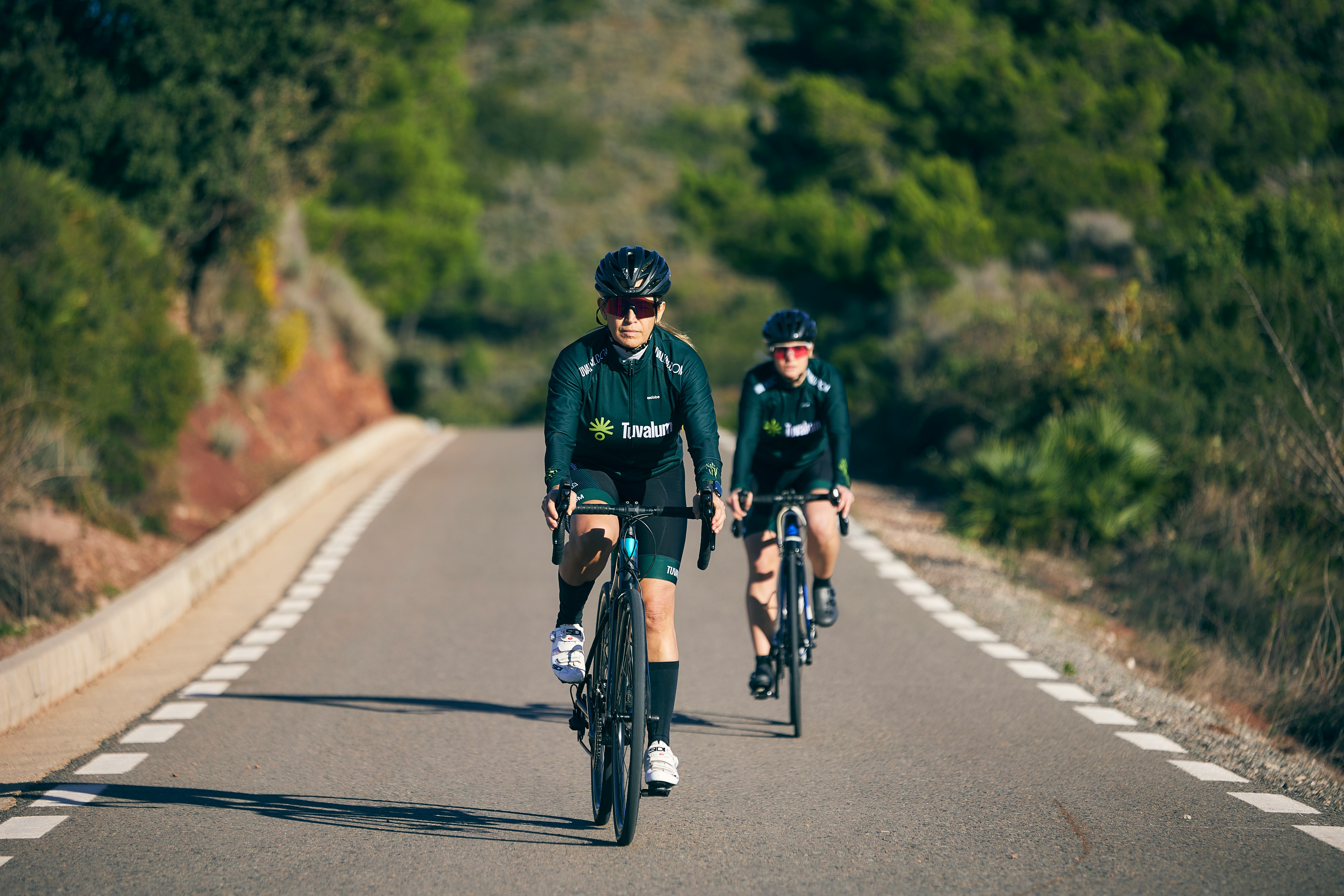
Your FTP estimate can move without a formal test because recent training, recovery, and device inputs keep changing.
N+One treats FTP as a working estimate, not a fixed label. When the data around you shifts, the number can drift before your next formal field test.
An FTP estimate is a model output built from the rides and signals an app can see. If the input set changes, the estimate can move even without a new test.
Recent hard efforts, missed rides, heat, and device changes can all alter the data stream. That does not mean your threshold vanished overnight.
If you swap sensors, start by checking consistent power readings before you rewrite your zones. A formal field test for threshold can help later, but it should not be your first reflex.
Keep prescribed intensity zones as-is for now.
Cut volume 15–25% for seven days if you feel unusually tired.
Reassess with two controlled sub-threshold sessions over the next 10 days.
In N+One terms: your threshold did not disappear; the inputs that support the estimate drifted.
Your threshold did not disappear; your recovery inputs shifted, so the output dropped.
Photo by Mattia Cioni on Unsplash.
Small changes can be normal model noise, especially when one recent ride carries too much weight. A single low estimate should not trigger a full plan change.
A larger drop matters more when it keeps showing up across several days. It also matters when easy rides feel unusually hard, sleep is poor, or motivation is flat.
Use repeatable work before changing your training. The same logic sits behind FTP as a short snapshot, because one number never tells the full durability story.
Treat single-day drops under 3% as noise.
If the drop is over 5%, validate it before changing zones.
Use the same warm-up, route, device, and terrain for repeat checks.
Pair power data with RPE, sleep notes, and recent illness context.
FTP estimates are model outputs, not fixed physiological truths — they track recent load, recovery, and sensor inputs.
Data analysis is free, forever. The Dynamic Coach is Pro. Connected to Garmin, Strava, Whoop, and intervals.icu.
If the drift looks real, make one short change rather than many. Keep intensity, trim total volume for a week, and hold your device setup steady.
This keeps the signal clean. If you lower zones, change meters, and skip intensity at once, you will not know what helped.
For summer outdoor blocks, try to match heat and route where you can. A steady sub-threshold pair is often cleaner than a panic test during peak fatigue, especially when sweet spot work under fatigue already sits in the plan.
Keep intensity targets in place for the next week.
Reduce total weekly duration by 15–25% for seven days.
Use one power source and one calibration routine.
Repeat two steady sub-threshold sessions before accepting the change.
In N+One terms: stabilize the inputs, then reassess the output.
Stabilize the inputs, then reassess the output.
One tactical email with training ideas and product updates. No spam — unsubscribe anytime.
Keep reading
- Maximum Gains, Minimum Time — Evidence-Based Training for Busy Cyclists — Time-crunched? Use science-backed, time-efficient training (polarized, sweet spot, HIIT) plus real-time adaptation to get measurable gains without en...
- Power Profile Analysis: Find Your Strengths — Sprinter, Climber, Pursuer, or Time Trialist — Learn how to build and interpret a cycling power profile (MMP across durations), identify your phenotype and limiters, and turn that insight into foc...
- Adaptive Training Plans: The Science That Boosts Cycling Performance — Adaptive training plans use real-time data (power, HRV, sleep, TSB) and decision algorithms to deliver the right stimulus at the right time. Learn th...
The main error is chasing each new number as if it were a diagnosis. That makes your training system noisier and harder to read.
Do not switch devices during a validation block unless the old one clearly failed. Do not cancel all intensity after one soft reading either.
When progress slows, compare the pattern instead of blaming one day. If your ceiling feels stuck, use why FTP progress can stall as a broader lens, not a reason to panic.
Do not overwrite targets from one low estimate.
Avoid changing device and protocol at the same time.
Do not skip the two planned validation sessions.
Do not add a maximal test when fatigue is clearly high.
The useful question is not whether the estimate is perfect. The useful question is whether today’s data should change tomorrow’s work.
N+One helps by framing FTP drift as a training-system signal. It weighs the recent pattern, then turns that pattern into one next decision.
If race season adds heat, travel, and late-week fatigue, keep the response simple. Let the estimate guide checks, but let repeatable sessions guide prescription changes.
Check whether the drift is single-day or repeated.
Hold intensity while you reduce short-term load.
Keep data inputs stable through validation.
Change zones only after the pattern repeats.
The number is a cue, not a verdict.
Day 0 — Spot the drift. Note the size of the change and the ride context around it. If the change is small and you feel normal, keep training and re-check within the week.
Day 1–7 — Stabilize the week. Keep intensity targets the same, reduce total weekly volume by 15–25%, and use the same power source for each ride.
Day 8–14 — Run a validation pair. Complete two controlled sub-threshold sessions with the same warm-up, route or trainer setup, and device.
Day 15 — Make the call. If both sessions support the lower output and fatigue signs remain, accept the revised estimate and rebuild volume in steps.
Ongoing — Keep the record clean. Log device used, ride setting, sleep, illness, and perceived effort so the next estimate has better context.
Your FTP estimate can move without a formal test because the model is reading a changing training system. Keep intensity steady, trim volume for one week when drift looks meaningful, then validate with two repeatable sub-threshold sessions.
Not from one reading. Hold intensity targets, reduce volume briefly if fatigue is present, and validate the change with repeatable sub-threshold work.
Not always. It may reflect recent load, recovery state, missing data, or sensor variation rather than a lasting change in capacity.
Usually no. A hard test during a tired week can add more noise. First, stabilize the week and repeat controlled sub-threshold sessions.
Yes, inconsistent device setup can change the data an algorithm sees. Keep one power source and one calibration routine while validating the estimate.