Form vs Fitness for Cyclists: How CTL and TSB Trade Off Around Race Day
5 min read

Learn how CTL and TSB trade off around race day, why fitness and freshness peak differently, and what to do in the final taper before a cycling event.
On this page

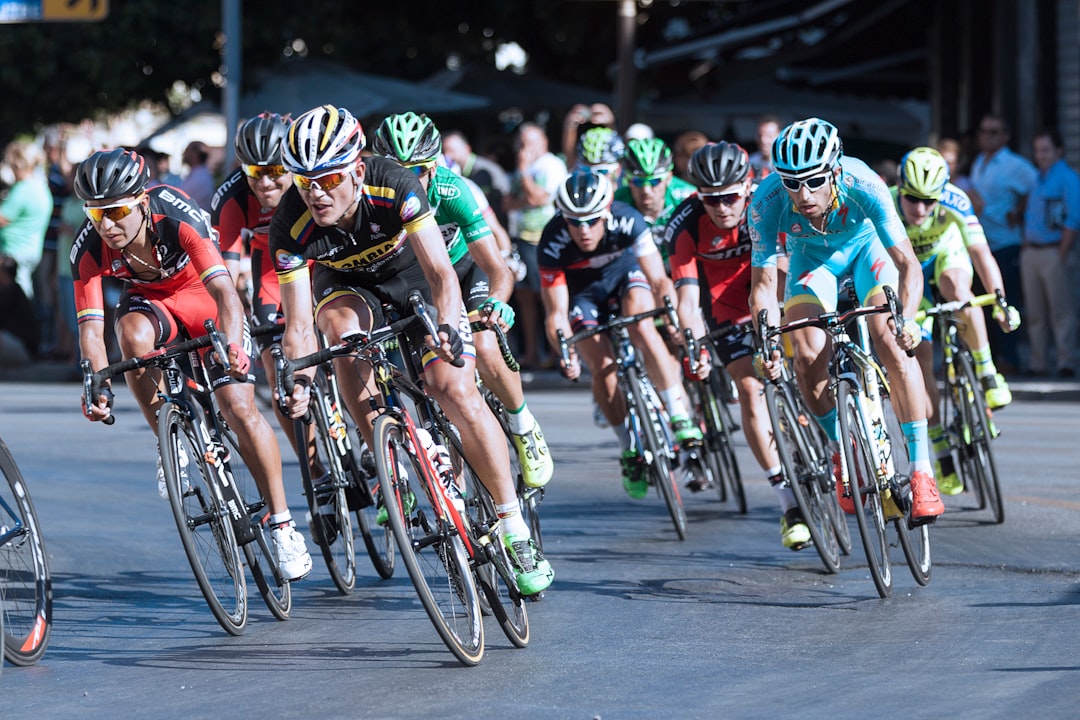
Photo by Viktor Bystrov on Unsplash.
CTL tracks fitness; TSB tracks freshness. Around race day, you trade some load for form so your fitness is usable.
Cyclists often talk about being fit and being fresh as if they are the same thing. They are linked, but they do not peak in the same way. CTL gives a broad view of accumulated training load, while TSB shows how recent load sits against that longer trend.
CTL, or chronic training load, is a rolling view of training stress over time. It is often used as a fitness proxy, not as a lab measure of performance.
TSB, or training stress balance, compares short-term load with longer-term load. When it rises, you are usually carrying less recent fatigue, so race-day work may feel more available.
The trade-off is simple, but not always easy. More training can lift your potential, yet it can also leave you too flat to show it on race day.
For a deeper base layer, use how CTL, ATL, and TSB fit together before you judge one number alone. If a break has changed your load, a calm CTL rebuild is a better lens than panic training.
Use CTL as a fitness signal, not a promise of race power.
Use TSB as a freshness signal, not a full readiness score.
Aim to arrive fresh enough to use the fitness you built.
Judge trends, not one isolated platform value.
In N+One terms: fitness is the engine, and form is how much of that engine you can use.
Fitness is the engine; form is how much of that engine is available on race day.

Photo by charlie dt on Unsplash.
CTL tends to change more slowly because it reflects a wider span of training. TSB can shift faster when you cut recent load, since the short-term side changes first.
This is why race week is not a time to chase new fitness. The work that matters most has already been banked, and the last move is to shed excess fatigue.
When you build, TSB often sits lower because recent load is high. When you taper, TSB rises as you keep the sharp work but cut the spare volume.
If your weeks look steady but you still feel dull, check when stable training load can hide strain. A smooth chart can still cover too much sameness, too little rest, or hard days stacked too close.
Build load before race week, not inside it.
Keep a small amount of hard work to stay sharp.
Cut low-value volume first when fatigue is high.
Let TSB rise without letting routine vanish.
You build the engine first, then you reduce the drag that keeps it from showing up.
CTL measures accumulated training load (fitness); TSB measures short-term balance between load and recovery (form/freshness).
Data analysis is free, forever. The Dynamic Coach is Pro. Connected to Garmin, Strava, Whoop, and intervals.icu.
Watch CTL, TSB, and the short-term load number your platform uses. Then place those numbers beside how your legs feel during warm-up, not after you scroll the chart.
Power and heart-rate trends can help, but keep the read simple. If the same effort feels smoother, and you recover better between efforts, the taper is likely moving the right way.
Subjective freshness matters because models are only summaries of past load. Poor sleep, travel, stress, or heat can make a good-looking TSB less useful on the bike.
If your recent load jumped and your legs feel stuck, use a workload-ratio view for cyclists to add context. For single rides, reading workout quality beyond total stress can show why two equal load scores felt different.
Log CTL, TSB, sleep, and perceived freshness each day.
Compare key efforts with similar past sessions.
Do not chase a target score if your legs stay flat.
Use heart rate and power as checks, not verdicts.
Let the model guide you, then let your legs confirm whether the freshness is real.
Numbers guide the plan, but your felt readiness is the final check.
One tactical email with training ideas and product updates. No spam — unsubscribe anytime.
Keep reading
- Cranioadaptive Load Cycling: A Practical Interpretation — Interpret cranioadaptive load cycling and map it to CTL/ATL principles for adaptive load periodization and training load adaptation.
- Training Stress Balance in N+One: Reading CTL, ATL, and Form Without the Jargon — Learn how to read CTL, ATL, and Form in N+One so you can act on training stress trends without overreacting to daily noise.
- Stage Race Periodization: Building for Multi-Day Effort Tolerance — Build stage-race tolerance with progressive repeat-effort blocks, preserved intensity, planned recovery, and a short taper before race week.
A short taper works best when your build was sound and fatigue is manageable. You keep race-like intensity, but trim the extra minutes that do not add much this late.
A longer taper fits riders who carry deeper fatigue into race week. The risk is doing too little for too long, which can make the bike feel stale.
Complete rest can help when you are truly run down, but it is a blunt tool. Most cyclists feel better when they keep light movement and a few short openers.
The best taper is not the one with the prettiest chart. It is the one that lets you start the race alert, loose, and ready to press when the course asks.
If fatigue is low, use a short taper and keep rhythm.
If fatigue is high, start easing load sooner.
Keep intensity brief, familiar, and race-specific.
Avoid adding new workouts to prove fitness.
Your next move is to keep intensity and cut volume. Do not add new stress to earn confidence; use the work you already did.
For the final stretch before race day, keep one or two short race-like sessions and make the other rides easy. If fatigue remains high, remove more volume before you remove all intensity.
Track CTL, TSB, and perceived freshness each day, then review the pattern two days before the race. If the trend is better and your legs respond, hold the course.
If you want day-to-day guidance without second-guessing, let N+One translate your latest training and recovery context into one clear next decision.
Keep the sharp work short and specific.
Cut extra endurance volume first.
Check freshness each morning and after warm-up.
Make the last change based on trend, not fear.
The goal is not a perfect chart, but a body ready to use the fitness you built.
Keep intensity, cut unnecessary minutes, and let TSB climb into the clear.
Start by keeping one or two familiar quality sessions, but make each one shorter than usual. The goal is touch, not growth.
In the middle of the taper, cut more low-value volume and keep one brief race-pace touch. Stop the session while you still feel sharp.
In the final few days, ride mostly easy and add short openers only if they normally make you feel better. Avoid long intervals.
The day before the race, use a short spin or full rest based on what has worked before. Do not test fitness.
On race day, warm up with the same pattern you have practiced. Trust the build for fitness and the taper for freshness.
CTL tracks fitness; TSB tracks freshness. Around race day, your best move is to keep the race-specific spark, cut spare volume, and let freshness rise without trying to build new fitness at the last moment.
Usually you want TSB moving toward freshness, but the right value varies by rider and platform. Use the trend with how your legs feel, not the number alone.
Yes. A small drop in the load signal can be acceptable if freshness improves and your race-specific efforts still feel sharp. The goal is usable fitness.
Treat that as useful data. Keep intensity very brief, reduce more volume, and protect sleep and routine before adding any more work.
No. A higher CTL can show more accumulated training, but it also reflects more load to recover from. Race day rewards the balance, not the biggest number.
Ready to optimize your training? Explore N+One.