Training Monotony and Strain for Cyclists: When a Stable Week Is Actually Risky
5 min read

Learn how training monotony and strain can hide risk in a stable cycling week, and use a short reset protocol to restore variation and recovery.
On this page

Photo by Rille Camera Strap on Unsplash.
A stable week can still hide high strain when daily loads look too alike. Track monotony, change one clear variable, then reassess.
Training monotony means your daily training loads are too similar. Training strain combines total weekly load with that monotony, often using session-RPE, so a smooth-looking week can still carry more stress than it shows.
Start with the shape of the week, not just the total load. If most rides look alike, the system has less variation to absorb and less room to recover.
Session-RPE is a plain way to track this when you lack lab-grade tools. Multiply how hard the ride felt by ride time, then compare daily loads across the week.
A low spread between days is the warning sign. Pair that with higher perceived fatigue, poor sleep, or a flat short effort, and the stable week deserves a reset.
This is close to how you would read acute workload against recent load: the total matters, but the timing matters too. It also sits beside workout quality beyond total stress, where one number can hide how the work was built.
Compare daily session-RPE loads across the last week.
Flag many similar days, especially with rising fatigue.
Use sleep and morning pulse as simple recovery checks.
Test one short hard effort only if you feel safe.
In N+One terms: the variance channel is pinched, so your feedback signals stop moving clearly.
Your training system's variance has shrunk, so the output looks stable while resilience falls.
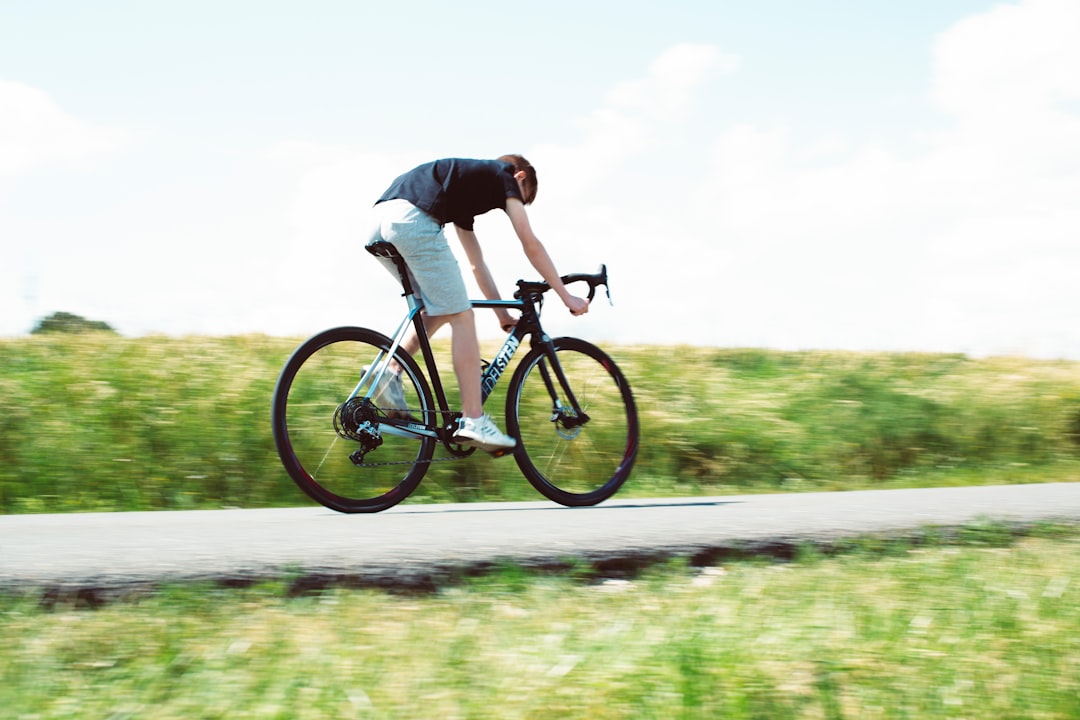
Photo by Markus Spiske on Unsplash.
Your next move is simple: keep one key intensity session, then cut weekly volume for a short reset. Do not add more hard work to prove fitness is still there.
This keeps the main signal while lowering the background load. It also gives sleep, morning pulse, and perceived fatigue a better chance to show recovery clearly.
If your week was already rising after time off, be more careful with the ramp. The same logic applies when building CTL after a break, because fitness can return faster than your tolerance for repeated load.
N+One would not treat this as a failure of discipline. It is a system fix: keep the sharp stimulus, trim the repeated load, and watch the response.
Keep one planned threshold or interval session.
Shorten easy rides before cutting the quality ride.
Add one full rest day if fatigue feels sticky.
Recheck sleep, morning pulse, and fatigue each day.
In N+One terms: keep the signal, lower the noise, then let recovery data speak.
Maintain intensity, but reduce volume to reopen recovery bandwidth.
Data analysis is free, forever. The Dynamic Coach is Pro. Connected to Garmin, Strava, Whoop, and intervals.icu.
One tactical email with training ideas and product updates. No spam — unsubscribe anytime.
Training monotony measures how similar your daily loads are; strain combines load and monotony to show overall stress.

Photo by Markus Spiske on Unsplash.
For a time-crunched rider, keep the weekday interval ride and shorten the longest weekend ride. The goal is not an easy week; it is a less uniform week.
For a base-week rider, keep one steady ride and turn two similar endurance rides into true recovery spins. This keeps aerobic rhythm while adding more day-to-day contrast.
For a racer, keep one race-pace session and replace one long endurance day with a shorter aerobic ride. If your form numbers already look strained, check CTL, ATL, and form signals before you add work.
When the week feels dull and heavy, look beyond the calendar. Longer trend views in N+One can show whether the stable week is part of a wider drift.
Time-crunched: keep intervals, shorten the long ride.
Base week: keep one steady ride, make two spins easy.
Racer: keep race pace, shorten one endurance day.
Do not replace cut volume with extra intensity.
Keep reading
- Cranioadaptive Load Cycling: A Practical Interpretation — Interpret cranioadaptive load cycling and map it to CTL/ATL principles for adaptive load periodization and training load adaptation.
- Understanding Training Load: How CTL, ATL, and TSB Guide Your Training Progression — Learn how training stress balance (TSB), chronic training load (CTL), and acute training load (ATL) work together to manage fitness and fatigue. Prac...
- Mastering Cycling Training and Recovery Balance — Learn how to push for performance without breaking: practical, science-backed guidance on functional overreaching, warning signs, monitoring (HRV, RH...
A single rough morning is not enough to rewrite the plan. You want a small cluster of signals that point in the same direction.
Use the same check each day: sleep quality, morning pulse, perceived fatigue, and how the first easy minutes feel. If several markers improve, the reset is doing its job.
If morning pulse keeps trending up or fatigue stays high, keep the lower-volume window and seek qualified help when symptoms feel unusual. For a deeper look, compare your notes with resting heart rate trend patterns.
Judge trends, not one poor morning.
Use the same simple checks each day.
Resume progression only when several markers improve.
Get professional help for unusual or persistent symptoms.
Day 0: choose the one quality session you will keep this week. Note your current weekly volume, then set a lower target for the reset week.
Days 1–7: keep the chosen intensity session unchanged. Shorten easy rides, remove one endurance block, and do not add extra intensity.
Daily monitoring: each morning record resting pulse, sleep quality, and perceived fatigue. Keep the scale the same so the trend is easier to read.
Day 7–10: if pulse is lower or stable, sleep is better, and fatigue has eased, resume planned progression. If markers do not improve, extend the lower-volume window and consult a coach or clinician.
A stable week can still hide high strain when daily loads look too alike. Keep one quality session, cut volume for a short reset, then reassess with recovery signals.
A short reset is meant to lower background strain while keeping one key stimulus. The goal is to protect the training response, not stop training.
Use session-RPE, ride time, morning pulse, sleep quality, and perceived fatigue. Those simple inputs can still show whether the week lacks variation.
Look for clearer recovery signals during the reset window. If fatigue, sleep, or morning pulse do not improve, hold the lower load and seek qualified review.
Not as the first move. Keep one high-quality session and cut repeated low-value volume first, unless symptoms or medical advice say otherwise.