Catching Overreaching Early: A CTL-Aware Checklist for Time-Crunched Cyclists
5 min read

Use a CTL-aware checklist to spot early overreaching, link load with recovery markers, and make one clear seven-day training adjustment.
On this page
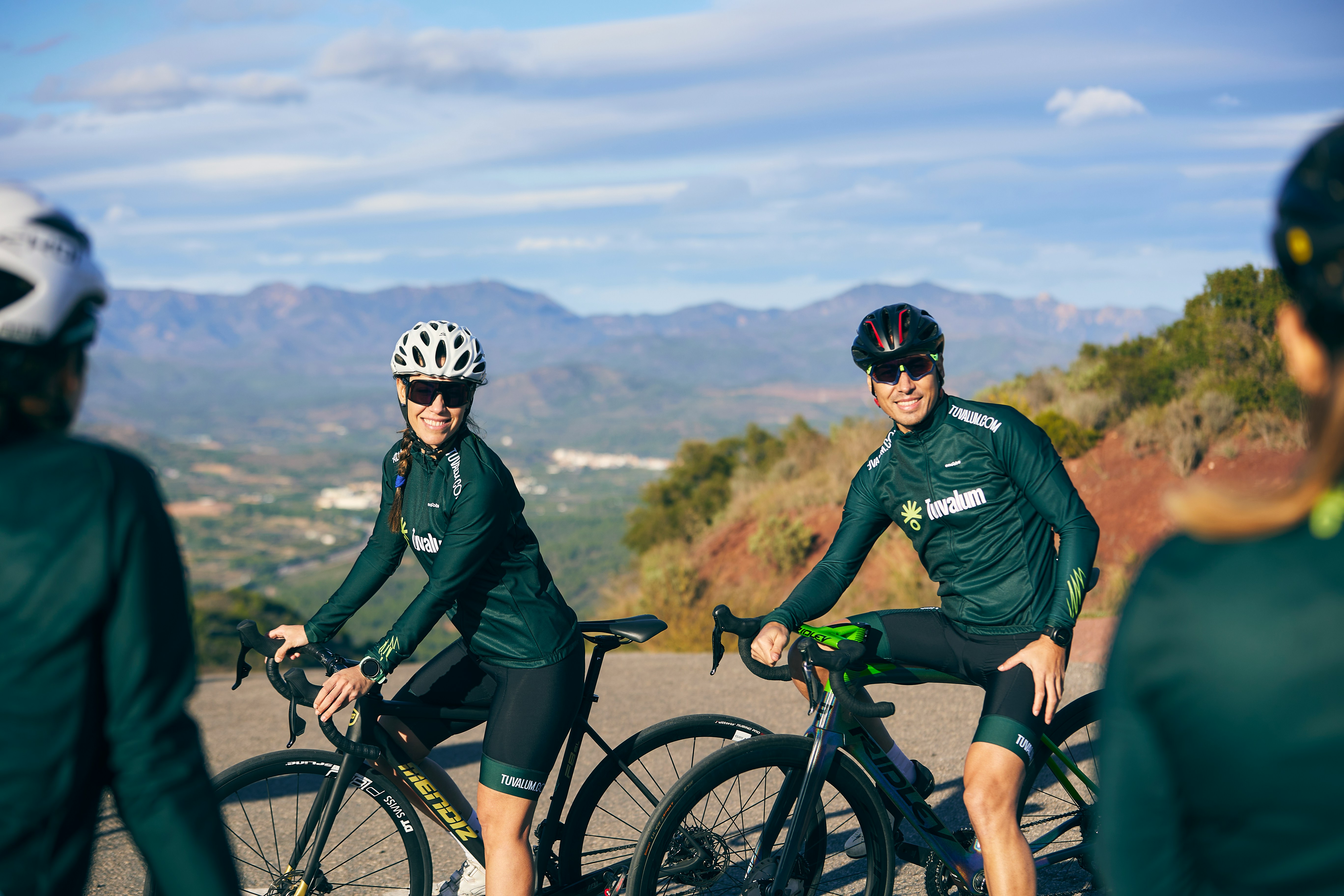
A CTL-aware checklist helps you spot early overreaching before form collapses, then make one clear training change.
CTL, or chronic training load, is a rolling view of training stress over time. ATL, or acute training load, reflects recent work. For time-crunched cyclists, the risk is not lack of grit; it is that hard sessions, short recovery windows, and life stress can stack faster than you notice. In N+One terms: your threshold did not vanish; the training system around it shifted.
Photo by Marc Cordeau on Unsplash.
Start with signs that are easy to see each day. A single flat ride does not prove overreaching, but repeated drift across power, RPE, sleep, and mood deserves your attention.
Power can show strain when normal targets feel costly across more than one key workout. Pair that with morning readiness notes, not just one file from a head unit.
Resting heart rate and HRV can add context, but they should not overrule how you ride and recover. If you want a deeper load frame, compare this checklist with the acute-to-chronic workload lens.
Note morning resting heart rate using the same device and routine.
Score sleep quality from one to five before checking training data.
Log mood and drive to train in one short line.
Compare RPE with the effort you expected for that workout.
Flag repeated power fade across similar sessions.
The goal is to catch drift early, then adjust before form collapses.
Multiple small drifts add to a system-level signal before one large failure appears.
CTL is useful because it gives your recent training a longer backdrop. It is not a score to chase, and a higher line does not always mean better form.
ATL gives the short-term stress view. When recent load climbs while key efforts feel worse, the chart is telling you to read training and recovery together.
TSB can help frame freshness, but do not turn it into a daily verdict. For the base model, review how CTL, ATL, and form fit together before changing a week. You can also use a plain TSB reading when the numbers feel noisy.
Check CTL trend weekly, not after every ride.
Compare recent load with the longer training backdrop.
Watch for rising load with falling key-session output.
Keep notes on sleep, mood, soreness, and RPE beside the chart.
Do not chase CTL increase as proof of fitness; use it as context for performance and recovery.
Compare acute training load (ATL) with chronic training load (CTL) to spot rapid load spikes.

Data analysis is free, forever. The Dynamic Coach is Pro. Connected to Garmin, Strava, Whoop, and intervals.icu.
This checklist should take less time than filling a bottle. Use the same order each morning so the signal stays clean across busy weeks.
Score sleep quality, mood, and drive to train before looking at the planned ride. Then note resting heart rate, HRV if you track it, soreness, prior RPE, and one key power marker.
The point is not perfect data. It is a repeatable check that helps you spot when normal work starts to cost too much. If your week is packed, pair this with training plans for tight schedules.
Resting heart rate, same time and position.
HRV, if your device tracks it reliably.
Sleep quality on a one-to-five scale.
Mood and drive to train on a one-to-five scale.
Prior workout RPE compared with the plan.
Repeated checks turn vague fatigue into a clearer training decision.
Simple repeated observations beat one-off data dumps.
One tactical email with training ideas and product updates. No spam — unsubscribe anytime.
Keep reading
- TSS, IF, and Variability Index: Reading Workout Quality Beyond Total Stress — Learn how to read TSS, IF, and Variability Index together so you can judge workout quality beyond total stress and make one clear training adjustment.
- TSS, IF, and Variability Index: Reading Workout Quality Beyond Total Stress — Learn how to read TSS, IF, and Variability Index together so you can judge workout quality beyond total stress and choose one clear next training mov...
- Mastering Cycling Training and Recovery Balance — Learn how to push for performance without breaking: practical, science-backed guidance on functional overreaching, warning signs, monitoring (HRV, RH...
When several markers drift together, do not add more work to prove fitness. Keep the training signal, but remove surplus load for the next short block.
For seven days, cut planned volume by about one fifth while keeping one controlled sub-threshold session. If intervals feel too hard, lower the target rather than forcing the file.
This is not a retreat. It is a reset that keeps the stimulus clear while giving recovery room to catch up. For similar load returns, see a careful CTL rebuild after time off.
Cut total planned ride time or TSS by about one fifth for seven days.
Keep one controlled sub-threshold session if readiness is fair.
Swap one hard session for easy aerobic riding if sleep and mood are poor.
Lower interval targets when RPE is clearly higher than expected.
Re-check the same seven markers on day seven.
The next move is simple: keep intensity controlled, cut volume, then reassess.
Keep stimulus, remove surplus load so the system can recalibrate.
Most early overreaching can be handled by reducing load and watching the trend. Still, some patterns need another set of eyes.
If performance stays down after a reduced-load block, ask your coach to review the plan, files, and recovery notes. The issue may be load shape, not your will to train.
Seek medical review for chest pain, fainting, severe unexplained fatigue, or symptoms that feel unlike normal training strain. Those signs sit outside routine coaching calls and need clinical judgment.
Call your coach if power and readiness do not rebound after reduced load.
Bring training files, sleep notes, RPE, and recent life stress context.
Seek medical care for chest pain, fainting, or severe unexplained fatigue.
Do not use CTL charts to explain away unusual symptoms.
Day 1: Keep the plan simple. Reduce the week’s planned volume by about one fifth, keep only one controlled sub-threshold session, and start the seven-point morning checklist.
Days 2–6: Ride easy unless readiness, sleep, and mood are stable. If you keep intervals, lower targets when RPE is higher than expected, and stop chasing missed numbers.
Day 7: Review CTL, ATL, power, sleep, mood, soreness, resting heart rate, HRV if tracked, and RPE together. If markers move back toward baseline, return gradually. If they do not, keep load reduced and speak with your coach.
A CTL-aware checklist helps you catch early overreaching by joining load, power, and recovery signals. When several markers drift, keep one controlled training signal, cut volume for seven days, then reassess with the same checklist.
Usually, no. Treat one poor session as noise unless it appears with poor sleep, low mood, higher RPE, soreness, or repeated power drop.
Not always. The first move is usually to keep one controlled sub-threshold stimulus and cut surplus volume, unless readiness markers are poor.
No. CTL gives context for chronic training stress, but it needs ATL, performance, RPE, sleep, mood, and recovery notes beside it.
You can still use the checklist. Track resting heart rate, sleep quality, mood, soreness, RPE, and key power trends with the same routine each day.