Double Peak Seasons: Scheduling Two A-Races Without Flattening Between Them
5 min read

Plan two A-races without flattening between peaks. Keep intensity, cut volume, deload after race one, and rebuild only when recovery signs improve.
On this page

You can target two A-races by keeping intensity, cutting volume, and rebuilding only after recovery signs improve.
Direct trial evidence on planned double peaks is limited. This guide uses accepted periodization, recovery, and taper principles while staying clear about what is uncertain.
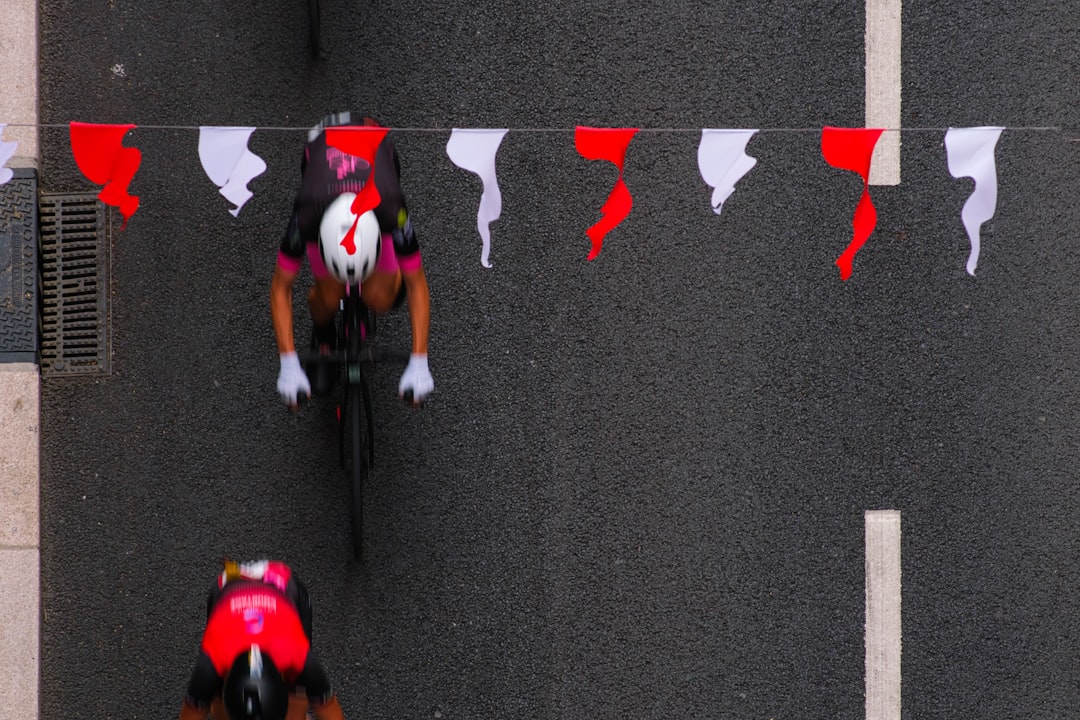
Photo by Marc Cordeau on Unsplash.
A double peak asks your body to do two things that pull in opposite directions. You need enough rest after race one, but not so much drift that race skill and sharpness fade.
The research trail for a single best double-peak model is thin, so treat this as a coached framework, not a lab-proven rule. If you want a wider season view, start with a two A-race season template.
Your threshold did not disappear after the first A-race. More often, the training system around it shifted: fatigue stayed high, sleep debt grew, and the next block started too hard.
Name race two before race one happens.
Plan a deload, not a full stop.
Keep one short intensity touch each week.
Track sleep, mood, and ride feel together.
This keeps the plan tied to recovery signs, not wishful calendar math.
In N+One terms: the goal is not to build the whole season again, but to keep the useful signal while clearing the cost.
Race form is not one thing. It blends aerobic work, high-force muscle output, fuel stores, coordination, and the nervous system’s readiness to go hard.
When load drops too far, high-end work can feel stale before base fitness seems gone. When load stays too high, the second peak starts under a layer of fatigue.
This is why the middle block should keep intensity while cutting total work. For busy athletes, small doses of hard work can help keep the signal without burying the week.
Keep short, clean hard efforts.
Cut ride length before cutting intensity.
Use easy days as real easy days.
Do not chase missed volume.
You are protecting sharpness while giving the rest of the system room to come back.
Plan each A-race as a focused 3–6 week peak block (build, peak/taper, race).
Data analysis is free, forever. The Dynamic Coach is Pro. Connected to Garmin, Strava, Whoop, and intervals.icu.
The gap between A-races sets the tone. A short gap favors maintenance, while a longer gap can hold a short build before the second taper.
If the races sit close together, skip the urge to rebuild your full base. If they sit farther apart, use a compact block that adds work only when recovery markers look stable.
Think in blocks, not loose weeks. Your plan should show race one, a clear deload, a rebuild, a sharpening week, and race two before you start.
Short gap: recover, maintain, sharpen.
Longer gap: recover, rebuild, taper.
Put the deload on the calendar first.
Move volume up only after signs improve.
The first week after race one should feel almost too easy. That is not lost training; it is the price of making the next work matter.
Then rebuild with two quality sessions most weeks, not a string of heroic rides. If your season has several hard days in a row, borrow ideas from multi-day effort tolerance instead of stacking random intensity.
The final week should feel sharp, not empty. Use the same logic as a pre-race sharpening week: keep the feel of speed while lowering the load.
Post-race: easy rides and one short opener.
Rebuild: two quality days, spaced well.
Sharpen: shorter efforts at race feel.
Rest more if sleep or mood drops.
In N+One terms: keep the race engine online, but stop feeding the fatigue account.
One tactical email with training ideas and product updates. No spam — unsubscribe anytime.
Keep reading
- How To Build Aerobic Base In Winter — Build aerobic base in winter with a practical 6-week plan: consistent low-to-moderate sessions, one longer steady effort, and strength or cross-train...
- Three-Week vs Four-Week Loading Blocks for Cyclists: Choosing Your Microcycle Length — Choose between three-week and four-week cycling loading blocks with a practical recovery, calendar, and monitoring framework plus a six-week test pro...
- The Build–Recovery Ratio: How Often Cyclists Should Plan a True Rest Week — Learn how often cyclists should plan a true rest week, why no single interval fits everyone, and how to use a 4-week build-recovery baseline.
A full base phase can make sense in another part of the year. Between two A-races, it often trades race feel for work that arrives too late.
This does not mean you ignore endurance. It means longer aerobic rides support the peak, while short hard work keeps the second race from feeling dull.
If progress has slowed before the first race, do not fix everything between peaks. Use why progress slows to sort the cause, then pick only the one limiter that matters for race two.
Do not restart base by default.
Keep endurance rides mostly calm.
Pick one limiter for race two.
Save broad rebuilding for later.
Between peaks, you need a simple rule for pressing on or backing off. Vague toughness is less useful than a clear read on output, mood, sleep, and normal ride feel.
Wearables can help, but they should not outrank how you ride. If your easy power feels hard and sleep is poor, delay the next hard session.
The same applies when the numbers look good. If power, breathing, and mood all line up, follow the plan instead of adding extra work because you feel fresh.
Check trends, not one morning.
Delay intensity when fatigue stacks up.
Resume when easy rides feel easy.
Do not add bonus work after good signs.
This keeps the next decision clear when the middle of the season gets noisy.
In N+One terms: readiness is a pattern, not one green or red score.
Week 0 — Race 1 plus immediate recovery: Race, then ride easy for several days. Cut total work, keep movement light, and add one short neuromuscular touch only if sleep and soreness allow it.
Week 1 — Active rebuild: Bring volume up slightly if recovery signs look good. Use two quality sessions, one steady effort session and one race-specific session, with easy days between them.
Weeks 2–3 — Focused development: Keep two quality days each week and add work in small steps. The goal is better race readiness, not the highest training load you can survive.
Week 4 — Reduce and sharpen: Lower total work from the heaviest rebuild week. Keep intensity, shorten the total hard time, and use one race-like session to check readiness.
Final 7–10 days — Taper: Cut volume, keep short race-pace efforts, and protect sleep. Use a rest day before the race if you tend to carry fatigue.
A reliable double peak keeps intensity, cuts volume, and rebuilds only after recovery signs improve. After race one, reduce training load for one to two weeks, keep short intensity touches, then build toward race two with two quality sessions most weeks.
A workable gap depends on your base, event type, and life stress. Short gaps need maintenance and sharpening; longer gaps can include a compact rebuild before the second taper.
Only if the gap is long enough and you have a clear capacity deficit. For most double peaks, a full base reset risks making the second race feel flat.
Still deload first. A good mood after a strong race can hide deeper fatigue, so keep the next week controlled before you rebuild.
Use both. Wearable metrics show trends, while ride feel tells you whether the system can turn those signals into useful work.