Microdosing Intensity Across a Busy Work Week Without Losing Adaptation
5 min read

Use microdosed intensity to keep adaptation during a busy cycling week: preserve key efforts, cut training time, and adjust with recovery cues.
On this page

Photo by loka studio on Unsplash.
Keep your key intensity sessions, cut training time by 20% for seven days, then reassess with recovery cues.
Microdosing means using short, frequent, targeted hard work when a full session does not fit. Evidence specific to microdosing across a work week is sparse in the supplied PubMed search, so this guide stays conservative: keep the signal, trim the load, and watch recovery.
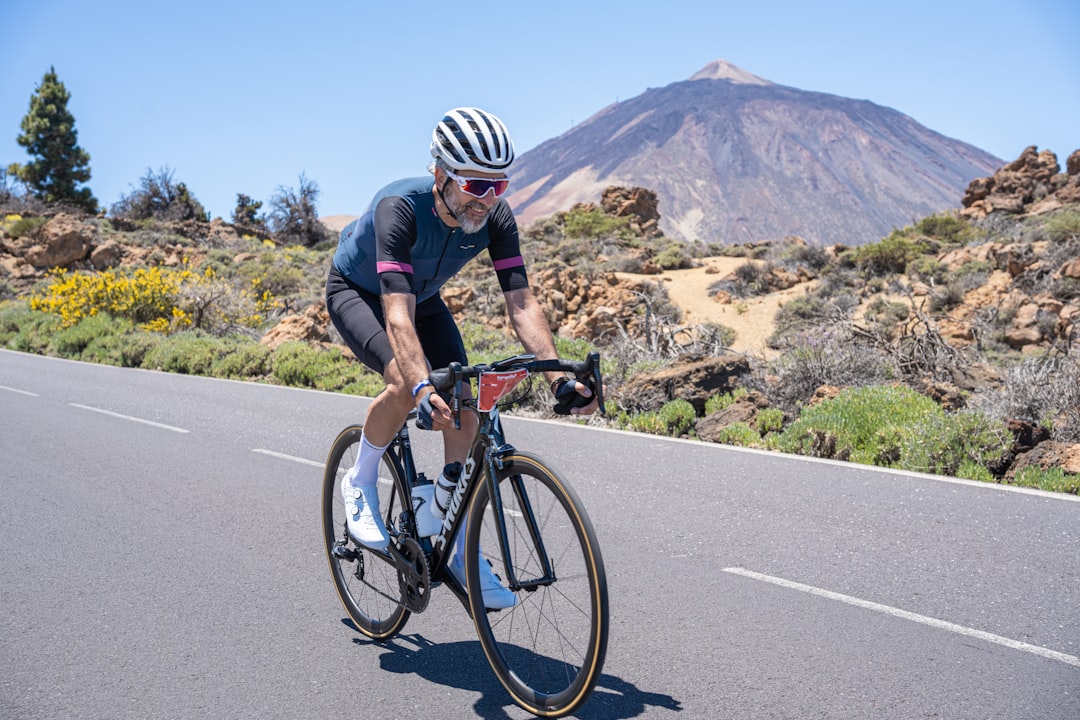
Photo by Ismael Rodríguez Martín on Unsplash.
Your body does not need a long ride every time to feel a clear training signal. Short hard efforts can still ask for high force, fast breathing, and focused muscle work.
The risk is not the short dose itself. The risk is stacking too much total work around stress, poor sleep, and long desk days.
Because the supplied PubMed search does not settle exact dose rules, use microdosing as a safe planning frame, not a magic formula. If progress has slowed, the issue may be load timing, which pairs with why progress stalls.
Keep the hard effort clear and short.
Cut total work before you cut intensity.
Leave at least one easy day between hard rides.
Stop a set when form or pacing fades.
This keeps adaptation alive while the week around training gets tight.
Keep the signal, remove the extra noise that piles up fatigue without adding much value.
Start with two short intensity sessions and one aerobic anchor if your week allows it. That gives you enough touch points without turning every ride into a test.
Put the hardest work after the best sleep or the lowest work stress. This is the same logic behind reverse periodization for busy riders, where quality comes before large volume.
If your work week is heavy, cut total ride time by about 20% for seven days. Keep the key efforts sharp, then rebuild when recovery looks normal again.
For season planning, microdoses should still sit inside a wider plan. They work best when your week links back to a clear year structure, not when each day is guessed alone.
Choose two hard short rides this week.
Add one steady aerobic ride if time allows.
Use easy riding or rest between hard days.
Cut total weekly time before changing targets.
This turns a crowded week into a smaller version of your real plan.
Two microdoses plus one aerobic anchor preserve the main signal with less time cost.
Prioritize maintaining intensity on your highest-value sessions; reduce total weekly volume instead of skipping hard efforts.
Data analysis is free, forever. The Dynamic Coach is Pro. Connected to Garmin, Strava, Whoop, and intervals.icu.
For a VO2-style microdose, ride 25 to 35 minutes total with short hard repeats and easy spinning between them. Keep the first repeat controlled so the last one still looks clean.
For a threshold microdose, ride 30 to 40 minutes total with two steady blocks near threshold feel. If the second block drifts, end the work instead of adding poor minutes.
For an aerobic anchor, ride 45 to 90 minutes at a pace where speech stays easy. In peak summer heat, move this ride earlier or shorten it before heat changes the point of the session.
These sessions are not meant to replace every long ride. If your event needs long fatigue resistance, link the week to multi-day effort tolerance or a longer event build.
VO2 day: short hard repeats, clean form.
Threshold day: two steady quality blocks.
Aerobic day: easy speech, steady pressure.
Skip optional surges if fatigue is present.
One tactical email with training ideas and product updates. No spam — unsubscribe anytime.
Keep reading
- The Build–Recovery Ratio: How Often Cyclists Should Plan a True Rest Week — Learn how often cyclists should plan a true rest week, why no single interval fits everyone, and how to use a 4-week build-recovery baseline.
- How To Build Aerobic Base In Winter — Build aerobic base in winter with a practical 6-week plan: consistent low-to-moderate sessions, one longer steady effort, and strength or cross-train...
- Block Periodization vs Traditional Periodization: Choosing a Macrocycle Structure — Block periodization clusters focused work, while traditional periodization spreads training across a macrocycle. Learn which structure fits your cycl...
Microdosing only works if the short sessions stay high quality. Watch RPE, sleep, resting heart rate, and HRV trends as simple guardrails.
Do not chase numbers when several markers move the wrong way. Cut total volume for seven days, keep one sharp session, and let the system settle.
A simple log beats memory after a busy week. Score each session for quality and note whether your legs, mood, and breathing matched the plan.
If poor sleep is the main limiter, protect recovery before adding another dose. The recovery side of the plan lines up with sleep protection for cyclists and stress timing for real schedules.
Track RPE after each ride.
Note sleep quality each morning.
Watch resting heart rate and HRV trends.
Cut volume for seven days if markers worsen.
Reassess before adding work back.
Recovery cues decide whether the next dose helps or just adds strain.
Let recovery markers cut volume first, and only cut intensity when quality is no longer there.
Microdosing is a time tool, not a full stand-in for every kind of fitness. Long events still ask for long rides, fueling practice, and time under steady load.
Use it during travel, hard work weeks, family-heavy blocks, or race season maintenance. It can also fit a taper, much like a sharper race week uses small doses without excess load.
Be cautious with exact claims because the supplied PubMed search is broad, not a direct rulebook for cycling microdosing. Treat the numbers here as starting points that need feedback from your own response.
Women who track cycle-related changes may want to place hard days where readiness tends to be better. That planning lens is covered in cycle-aware training choices.
Use microdosing for busy weeks, not every week.
Keep long rides when event demands require them.
Treat the protocol as a starting point.
Change next week based on recovery data.
Day 1 — VO2 microdose: Ride 25 to 35 minutes total with a warm-up, short hard repeats, easy recovery between them, and a cool-down. Keep the intervals sharp and stop the set if power, pacing, or form drops.
Day 2 — Easy or recovery: Ride 30 to 45 minutes very easy, or take full rest. Keep heart rate and effort low, and make sleep the main recovery input.
Day 3 — Threshold microdose: Ride 30 to 40 minutes total with a warm-up, two steady threshold blocks, easy riding between them, and a cool-down. End after two good blocks.
Day 4 — Easy or active recovery: Ride 20 to 45 minutes easy, or rest. If fatigue is still present, choose rest over another low-value ride.
Day 5 — Aerobic anchor: Ride 45 to 90 minutes at a conversational pace if time allows. If the day collapses, use a shorter easy spin as maintenance.
Day 6 — Optional tune-up: Ride 15 to 30 minutes with a few short high-cadence surges only if you feel fresh. Skip it if recovery markers are poor.
Day 7 — Rest or very easy spin: Rest fully or ride 20 to 40 minutes very easy. Review session quality, RPE, sleep, resting heart rate, and HRV before next week.
Keep your key intensity sessions, cut training time by 20% for seven days, then reassess with recovery cues. Your threshold did not disappear; the training system around it got crowded, so shrink the week without losing the signal.
No. It can help preserve key signals during busy weeks, but long events still need long rides and event-specific practice.
Cut volume first. Keep one or two high-quality intensity touches unless recovery markers and session quality both keep falling.
Stay with the plan for seven days, then reassess. Feeling good often means the lower load is doing its job.
No. The supplied PubMed search does not give a precise cycling dose rule, so this protocol uses conservative physiology-informed coaching.