How to Build an Aerobic Base in Winter
5 min read

Build winter aerobic base with repeatable low-to-moderate rides, controlled intensity, indoor options, and recovery checks that guide your next block.
On this page
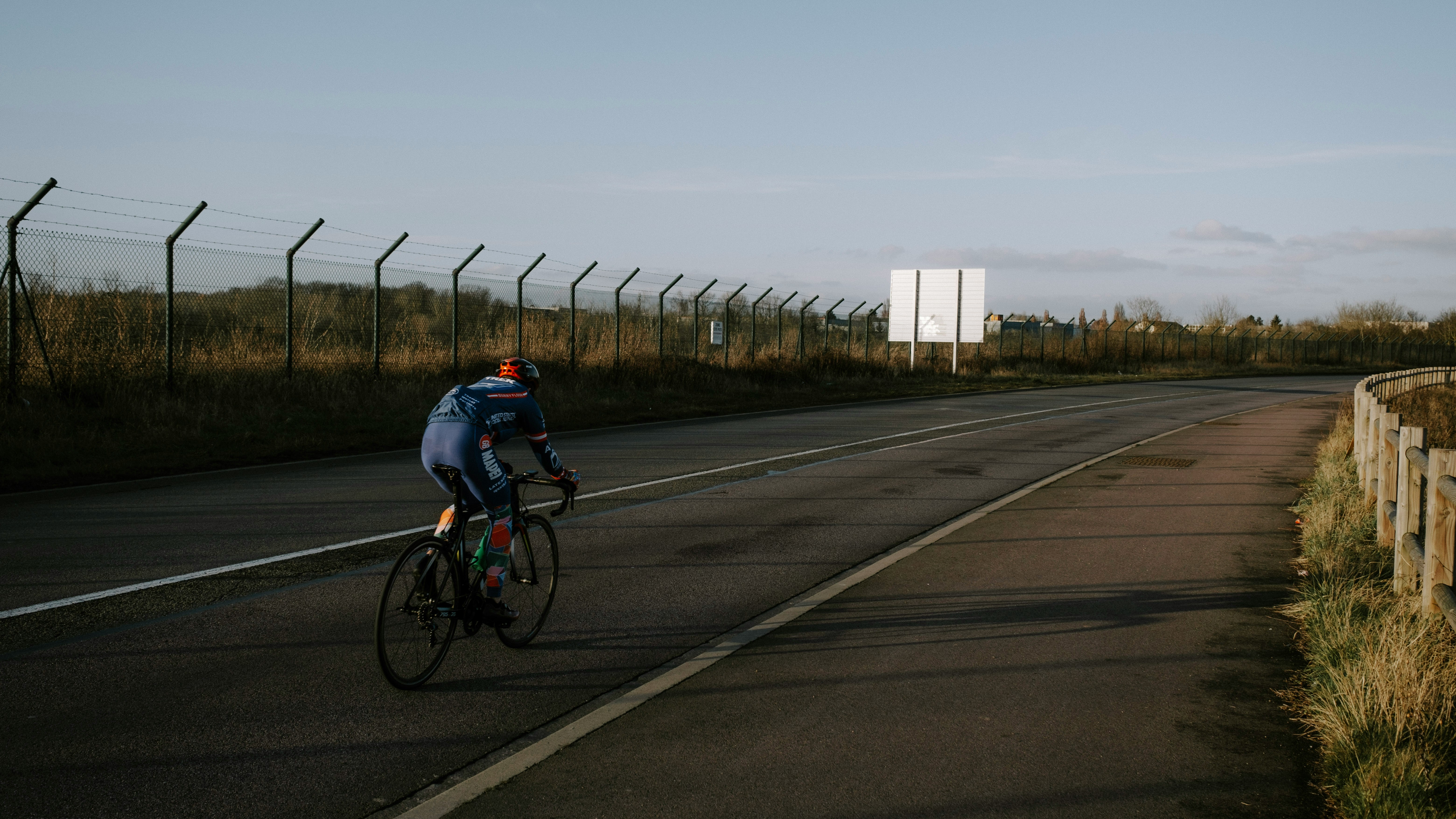
Photo by Mathias Reding on Unsplash.
Build winter aerobic base with steady, low-to-moderate rides you can repeat often without breaking recovery.
Winter gives you a cleaner runway: fewer race demands, less pressure to prove form, and more room to stack steady work. The goal is not to become stale; it is to raise the floor so later build work has something to stand on.

Photo by charlie dt on Unsplash.
Winter base works best when you make the week repeatable before you make it bigger. That means steady low-to-moderate rides, a longer aerobic session, and just enough controlled work to keep the legs awake.
Your aerobic base is not one magic zone or one heroic weekend. It is the sum of training volume, effort control, recovery, and how often you can repeat the signal.
The old mistake was treating winter as endless easy miles or, at the other extreme, hidden race season. A better frame is off-season structure for spring: build durable volume now, then shift toward sharper work when the season calls for it.
If progress has slowed, do not jump straight to more hard intervals. First ask whether the training system has drifted, as covered in why cycling progress slows.
Keep most rides low-to-moderate and easy to repeat.
Add one longer aerobic ride each week.
Use one controlled stimulus session, not many hard days.
Protect sleep and food intake during heavier weeks.
In N+One terms: keep the base signal steady while recovery decides how much volume you add.
Preserve intensity quality, increase low-intensity volume, and manage recovery inputs.
A winter week should have a clear shape. Most riders do well with easy aerobic rides, one long steady ride, one controlled stimulus session, and true recovery days.
You can use a load pattern that fits your life, such as two or three harder weeks before an easier week. If that choice is unclear, loading block length for cyclists can help you match stress to recovery.
Keep the hard day hard enough to matter, but not so hard that it steals the next two rides. The easy days should feel almost too controlled when daylight, work, and weather are already adding strain.
Time-crunched riders can still build base by keeping frequency high and trimming ride length first. For that lens, see reverse periodization for busy cyclists.
Plan two easy aerobic rides.
Plan one longer aerobic ride.
Add one tempo or sweet-spot day if recovery is stable.
Keep one full rest day or very easy spin.
Shorten rides before dropping frequency.
Aim for frequent, steady aerobic sessions (low-to-moderate intensity) rather than lots of high-intensity work.
Data analysis is free, forever. The Dynamic Coach is Pro. Connected to Garmin, Strava, Whoop, and intervals.icu.
The safest winter progression is usually more easy time first, then a small rise in controlled work. Keep the stimulus near sustainable effort rather than chasing repeated max days.
When weather, travel, or illness cuts the week, do not panic-train when life opens again. Keep one quality session, trim total volume, and let the next week confirm that recovery is back.
If you want to hold sharpness without turning winter into race prep, microdosing intensity across a busy week is the better model. Small doses keep the signal alive without crowding out aerobic work.
Your threshold did not disappear because one week got messy. The output dropped because the inputs around sleep, stress, fuel, and training load shifted together.
Add easy volume before adding hard work.
Keep one controlled intensity session when load drops.
Avoid stacking hard rides after missed sessions.
Hold volume steady when sleep or mood worsens.
In N+One terms: keep the quality signal and cut the noise when the week gets tight.
Your threshold did not disappear; your recovery inputs shifted, so preserve quality and trim quantity.
One tactical email with training ideas and product updates. No spam — unsubscribe anytime.
Keep reading
- Stage Race Periodization: Building for Multi-Day Effort Tolerance — Build stage-race tolerance with progressive repeat-effort blocks, preserved intensity, planned recovery, and a short taper before race week.
- The Build–Recovery Ratio: How Often Cyclists Should Plan a True Rest Week — Learn how often cyclists should plan a true rest week, why no single interval fits everyone, and how to use a 4-week build-recovery baseline.
- Training Across the Menstrual Cycle: Optimizing Performance for Female Cyclists — Practical, science-based guidance for female cyclists: how hormonal phases affect training, recovery, iron, RED-S, and contraception — and how to use...
Indoor training is useful because it cuts friction and makes pacing clear. Use the trainer for the most structured work, then keep outdoor rides simple when light and roads allow.
Cold, wet, and dark conditions raise the cost of a ride before the first pedal stroke. That does not mean you are fragile; it means the whole day’s stress has to fit the same body.
Cross-training can help when roads are unsafe or life makes riding hard. Keep it low-to-moderate and choose modes that leave your legs ready for the next bike session.
If poor sleep, low drive, or higher morning strain keeps showing up, cut volume for a short reset. For sleep-specific steps, use this recovery guide for cyclists.
Do structured tempo work indoors when roads are poor.
Ride outside for simple aerobic work when light is safe.
Use cross-training to hold rhythm during bad weather.
Cut volume when recovery signs trend the wrong way.
Base progress often shows up as less strain at the same work. You may see steadier power, calmer breathing, better repeatability, or lower perceived effort on familiar aerobic rides.
Do not turn every check-in into a max test. Use repeatable benchmarks, then compare the trend rather than judging one tired day in isolation.
Track weekly aerobic time, time in controlled stimulus work, perceived exertion, and basic recovery notes. These plain signals often explain more than a single peak number.
Your next phase should start when the base block looks stable, not merely when the calendar says so. The shift is covered in timing the first intensity block.
Repeat the same aerobic benchmark in similar conditions.
Log perceived exertion after key rides.
Track weekly low-to-moderate training time.
Review recovery before adding load.
Use trends, not one-off bests.
Prioritize steady, repeatable metrics over chasing single hard efforts.
Weeks 1–2: Set the baseline. Ride often enough to create rhythm, keep most work conversational, and add one short controlled tempo session if recovery is stable.
Weeks 3–4: Add a small amount of low-to-moderate time. Keep one stimulus session, protect the long aerobic ride, and avoid raising volume and intensity at once.
Weeks 5–6: Hold the aerobic rhythm and extend controlled work slightly if you are sleeping well and easy rides still feel easy. Place recovery after the hardest day.
Week 7: Reach the highest sustainable aerobic load of this block. Do not add new max efforts, and watch mood, sleep, and perceived effort closely.
Week 8: Reduce volume, keep one short quality session, and repeat a controlled benchmark. Use the trend to set the next base or build block.
Build winter aerobic base with repeatable low-to-moderate rides, one longer aerobic day, and one controlled stimulus session. Your clear next move: this week, schedule three conversational rides plus one longer steady ride, then cut volume if recovery markers worsen.
No. Keep most riding low-to-moderate, but include a small controlled stimulus if recovery is stable. The goal is durable base, not flat legs.
Use the trainer for structure. Keep easy rides truly easy, place one tempo or sweet-spot session midweek, and use a longer indoor ride only when it is repeatable.
Watch the trend in sleep, motivation, perceived exertion, and resting heart rate if you track it. If several signs worsen, cut volume for seven days.
Move when aerobic rides feel repeatable, recovery is stable, and your next goal needs sharper work. Do not rush the shift just because one benchmark improves.