Travel-Aware Adaptive Plans: How the Coach Handles Time Zones and Hotel Trainers
5 min read

Learn how a travel-aware cycling coach handles time zones, local time, hotel trainers, and reduced volume while preserving key intensity sessions.
On this page
Mark your trip in the coach so it can shift your training day to local time and swap outdoor rides for hotel-trainer work.
Travel planning matters because the training plan is not just watts and workouts. It also depends on sleep, timing, gear access, and the real gaps in your day. This guide stays conservative because the supplied source base is limited to a PubMed-indexed search, so physiology claims are kept narrow.
Travel changes the system around your training before it changes your legs. Flight timing, local time, hotel gear, and work plans can all move the session away from its best slot.
Your threshold did not disappear; your recovery inputs shifted, so the output may drop. That is the same logic behind flexible plans when life changes, only with travel as the stressor.
A fixed plan treats the same workout as the same load in every place. A travel-aware plan sees the local day, the lost sleep chance, and the trainer limits before it asks for work.
Log flight times before you leave.
Add destination time zone and arrival day.
Note hotel trainer access and limits.
Protect one daily session window.
In N+One terms: keep the key signal while the travel context moves around it.
In N+One terms: preserve your key intensity stimulus; treat travel as a temporary volume and timing shift.

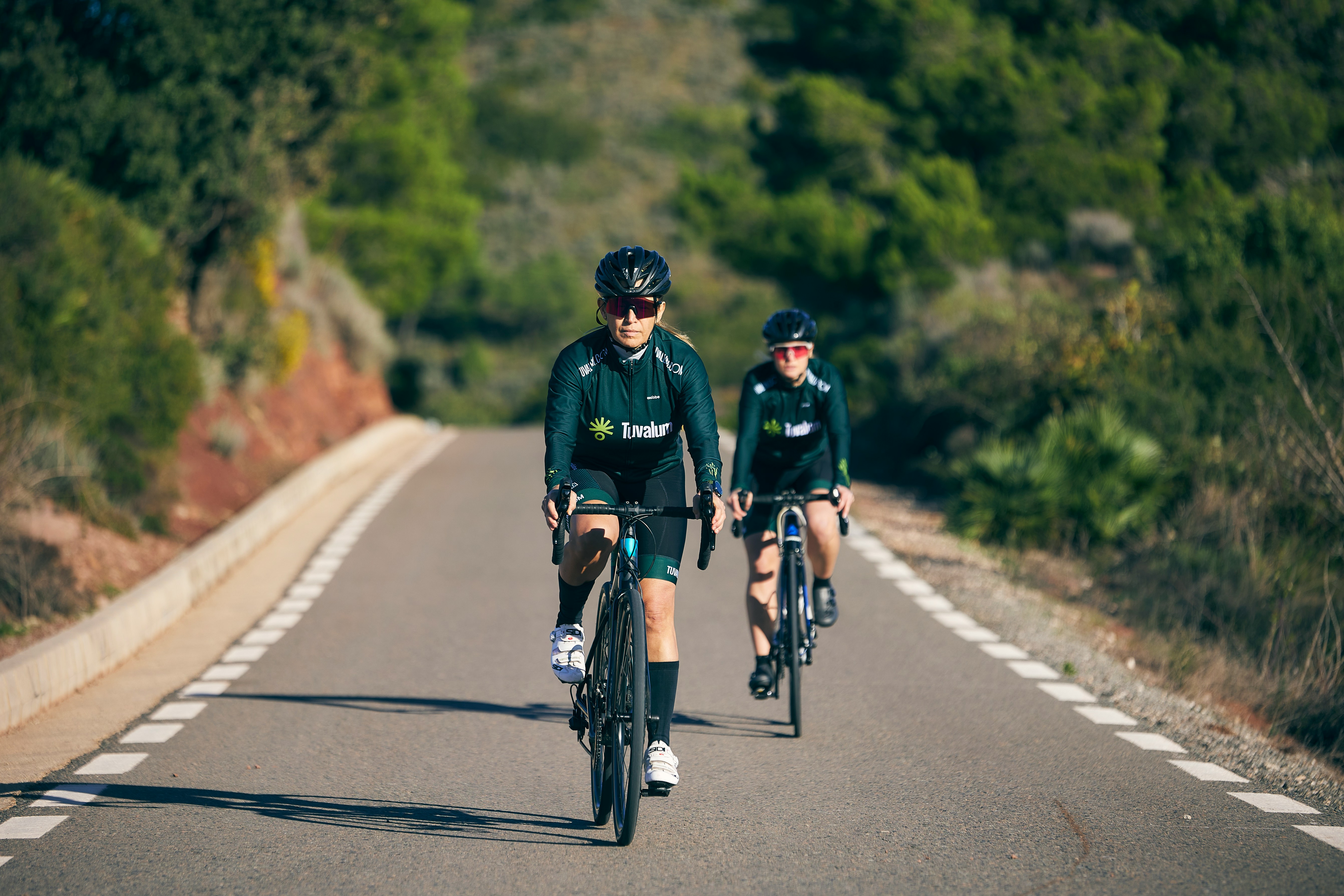
Photo by Domenico Adornato on Unsplash.
Do not read one poor ride as lost fitness. Read it as a signal that timing, sleep, or session access may have shifted the day’s training cost.
Start with the plain markers your coach can track each morning. Sleep duration, sleep quality, resting heart-rate trend, and warm-up feel give a cleaner view than pride or guesswork.
If the same power feels harder than normal, the plan should not punish you. It should keep the target clear while changing the dose, much like real-time cycling plan changes do after other stressors.
Check sleep before judging fitness.
Compare resting heart rate with your normal trend.
Use warm-up feel as a readiness check.
Flag unusually high effort for usual power.
Tell the coach about travel (flight times, time zones, and hotel trainer availability) before departure.
Data analysis is free, forever. The Dynamic Coach is Pro. Connected to Garmin, Strava, Whoop, and intervals.icu.
The clean move is simple: keep intensity, cut the total work for a short travel window, then reassess. This protects the training signal without pretending travel is a normal week.
For hotel trips, intensity is often easier to save than volume. A trainer can hold steady work well, but it lacks the cooling, variety, and low-cost miles of a normal ride.
If sleep and schedule are stable, keep the key session at local time. If they are not, choose less total work, as explained in why adaptive plans suggest less volume.
Keep one key intensity session.
Trim low-priority endurance work first.
Avoid stacking hard work near bedtime.
Reassess after the travel block.
In N+One terms: hold the signal, lower the drag, and wait for the data to settle.
In N+One terms: preserve the high-quality intensity stimulus, trim session count and duration until sleep and heart-rate trends settle.
One tactical email with training ideas and product updates. No spam — unsubscribe anytime.
Keep reading
- Adaptive Plan Recovery: What Happens When You Miss Three Days in a Row — Missed three training days? Learn why it is usually a short-term load shift, how to check readiness, and how to restart your cycling plan without ove...
- Compliance vs Adaptation: When Your AI Coach Should Override What You Want to Do — Learn when an AI cycling coach should honor your plan, when it should adapt the session, and how clear override rules build trust.
- When Your Adaptive Plan Adds a Threshold Day: The Trigger Logic Explained — Why adaptive plans add threshold days, which inputs usually trigger the change, and the one-week protocol to accept or adjust the session.
Hotel trainers reward simple work. Use steady efforts, clear warm-ups, and enough easy riding between hard parts to keep the session clean.
Do not try to rebuild your whole outdoor week indoors. Pick the one session that matters most, then use short aerobic work to keep rhythm while the trip unfolds.
When time is tight, a short sub-threshold ride beats a rushed stack of missed workouts. The same rule applies after hard unplanned group rides: one clean adjustment is better than debt chasing.
Warm up before every hard trainer block.
Use power or effort, not ego.
Keep cooling and fluids within reach.
Stop before form falls apart.
Before departure, tell the coach what will change. Add flights, local time zone, hotel trainer access, likely meeting windows, and any gear limits.
In transit, protect sleep chance and keep the next day plain. The goal is not a perfect routine; it is fewer choices when you land tired.
At the hotel, lock one session time and let the plan adapt around it. If a group ride or work event appears, use the same mindset as adaptive plans for Saturday chaos.
Save short-session plans before leaving.
Pack chargers, shoes, and sensors together.
Choose one protected session time.
Sync the coach after each travel day.
In N+One terms: reduce decision friction so the plan can adapt without turning every day into a debate.
Decision: If you cross several time zones or have repeated disrupted sleep, keep planned intensity, reduce total work for a short window, and reassess with sleep, resting heart-rate trend, and warm-up feel.
Days 1–3, arrival: Prioritize sleep, local timing, and one simple trainer session if you feel ready. Do not add missed work back into the plan.
Days 4–6, stabilize: Keep up to two quality sessions only if sleep and warm-up feel are near normal. Use easy aerobic riding when travel load remains high.
Day 7, reassess: Check sleep, resting heart-rate trend, and effort for a standard warm-up. If they are near your normal pattern, return toward the usual plan.
Hotel-trainer template: Use one threshold-style block, one short hard-interval block, or one steady sub-threshold ride. Pick one, finish clean, and avoid piling sessions together.
Mark your trip in the coach before departure. Let it shift the training day to local time, keep the key intensity signal, and swap outdoor rides for hotel-trainer work with lower total load until your recovery data settles.
Not by default. Keep the most important intensity session when sleep and schedule allow, but reduce lower-priority volume so the session stays high quality.
Treat it as a constraint, not a fitness test. Use steady work, clear effort targets, and shorter sessions rather than forcing an outdoor-style ride indoors.
Use local time for the trip. That keeps session timing, meals, sleep windows, and work demands in the same real day.
Hold intensity only if warm-up feel is reasonable. If sleep and resting heart-rate trends are off, use an easier aerobic ride and reassess the next day.