Adaptive Plans and Group Ride Reality: Letting the AI Coach Plan Around Saturday Chaos
5 min read

Learn how to let an AI coach plan around Saturday group ride chaos by treating it as one variable-intensity session and adapting recovery.
On this page
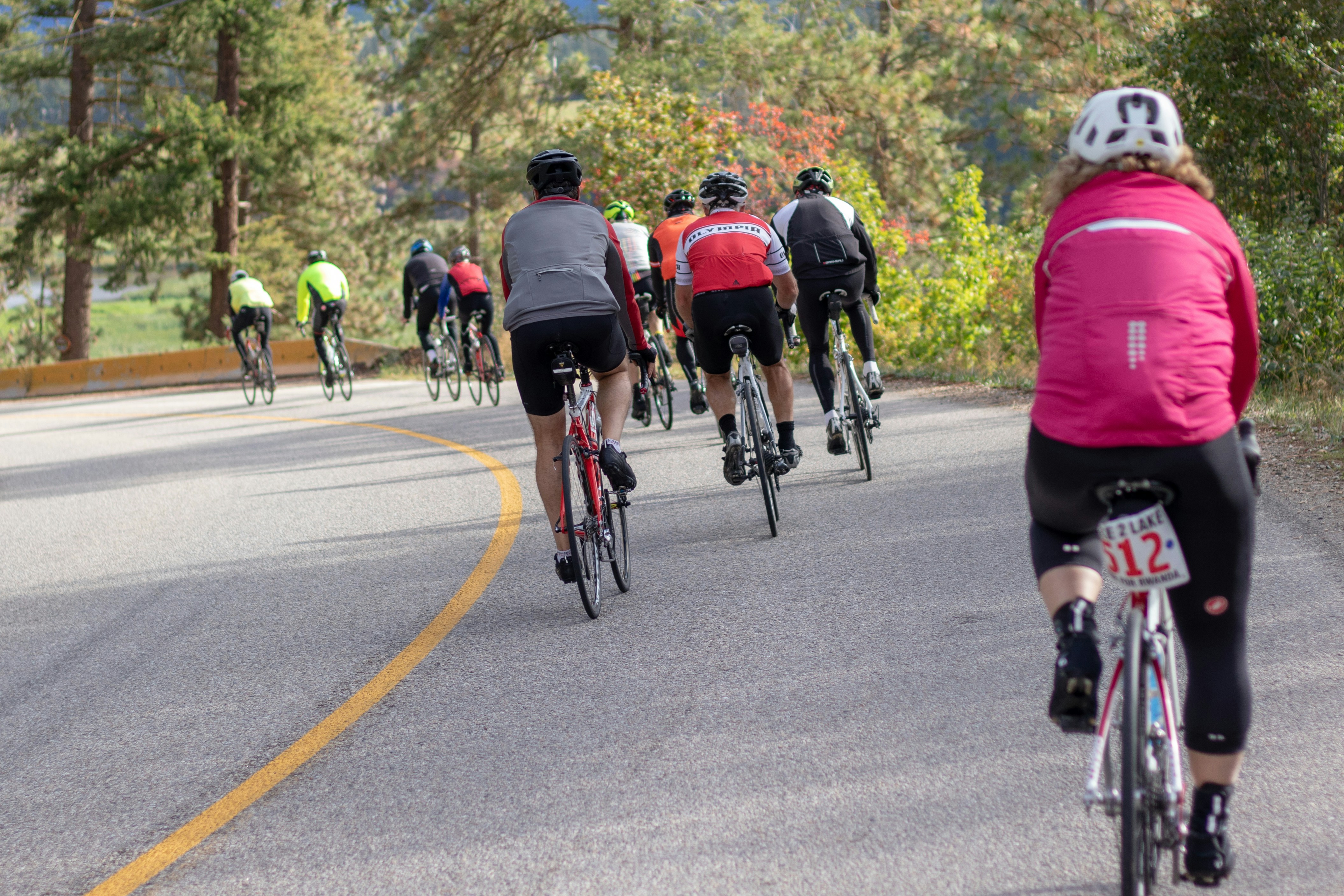
Photo by Greg Rosenke on Unsplash.
Treat the Saturday group ride as one planned variable-intensity session, then let the AI coach protect recovery and adjust the week.
Saturday rides break rigid plans because they mix social pace changes, longer time outside, and hard moments you did not script. The better move is not to avoid them. Put the ride inside the plan, then let the coach move the work around it.
This guide is for riders who want structure without giving up the weekly group ride. The ride stays, but it gets a clear job inside the week.
An AI coach should not treat Saturday chaos as a failed workout by default. It should read what happened, compare it with the plan, and reshape the next few days.
That is the same logic behind plans that adapt after hard group rides. The aim is to keep the key training signal while trimming work that no longer fits.
Mark the group ride as likely before the week starts.
Give it one job: endurance, threshold, or short hard efforts.
Keep Friday easy so Saturday has room.
Let the coach trim Sunday or Monday after the ride.
This keeps the ride social while the week stays coherent.
Treat group rides as planned disturbances the system adapts to, not failures.
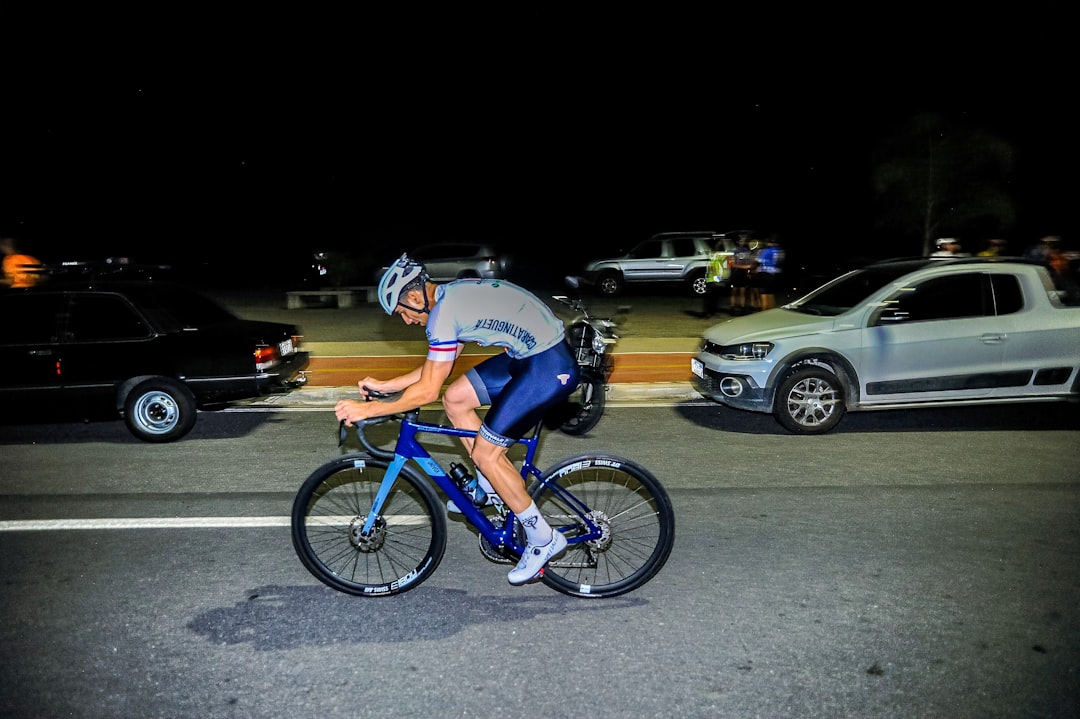
Photo by Danilo SOuza on Unsplash.
A group ride rarely follows one clean target. You may roll easy, chase wheels, sit in, then surge over short rises.
That mix can clash with a fixed plan because the ride changes both stress and timing. A smart plan must respond to the actual ride, not the workout title.
If your schedule shifts often, a flexible training schedule matters more than perfect compliance. The system should bend while the goal stays firm.
Do not stack another hard session on Friday.
Keep Sunday recovery-led unless the ride was calm.
Log how the ride felt, not only what the file shows.
Use the coach to move lesser work first.
The training system around you drifts when a social ride replaces a planned session.
Treat a Saturday group ride as one managed high-variability session, not a surprise that breaks your plan.
Data analysis is free, forever. The Dynamic Coach is Pro. Connected to Garmin, Strava, Whoop, and intervals.icu.
The coach needs enough data to know whether Saturday replaced a workout or added stress on top. Power, time, and your own notes each tell part of that story.
Useful ride signals include overall workload, hard surges, total time outside, and how fresh you felt afterward. If one signal is missing, the coach should state its uncertainty and stay conservative.
For a deeper view, real-time AI coaching signals show how ride files and context can guide the next choice. The data should serve the decision, not bury you in charts.
Record power or perceived effort for the full ride.
Flag long pulls, chases, and repeated surges.
Add a short note on sleep and soreness.
Tell the coach whether the ride felt controlled.
The coach should first compare the planned Saturday session with the ride you actually did. Then it decides what must stay and what can move.
The key rule is simple: protect the main stimulus, then trim filler. If Saturday already gave you enough hard work, the next hard session should shift or shrink.
This is where coach override logic helps. You may feel ready, but the plan should account for the whole week, not one eager morning.
Compare the ride with the planned workout.
Keep one key intensity target for the week.
Move lower-priority intervals to easy riding or rest.
Use recovery notes to overrule a brittle plan.
The next move should fit the ride you did, not the ride you planned.
The coach protects the most important stimuli and trims the rest.
One tactical email with training ideas and product updates. No spam — unsubscribe anytime.
Keep reading
- Adaptive Plan Recovery: What Happens When You Miss Three Days in a Row — Missed three training days? Learn why it is usually a short-term load shift, how to check readiness, and how to restart your cycling plan without ove...
- Adaptive Training Plans: Why Real-Time Adjustments Beat Fixed Schedules — Discover how an adaptive training plan uses AI training adaptation, training readiness, and personalized periodization to keep your cycling progress...
- AI Cycling Coach: How Adaptive Coaching Unlocks Consistent Gains — Discover how an AI cycling coach delivers adaptive, science-based training—real-time adjustments, CTL/ATL-driven periodization, and practical steps t...
Threshold work is useful only when you can do it with enough control to hit the intent. After a jagged group ride, that may mean waiting.
Your threshold did not disappear; your recovery inputs shifted, so the output may drop. The coach should keep the target, then choose the day that gives it the best chance.
When the system sees room, threshold-day trigger logic can help explain why intensity returns. When the week is too full, less work is still a decision.
Keep threshold only if the ride was not highly taxing.
Move threshold later if legs feel flat.
Swap long intervals for shorter controlled work when needed.
Do not add threshold to prove fitness.
A plan that cuts volume after a strong ride is not punishing you. It is making space for the work you already did.
This feels odd when motivation is high, especially after a fast Saturday. Still, more volume is not the only way to make the week productive.
If this pattern keeps showing up, why the plan suggests less volume is worth understanding. The best next ride is the one that keeps the week moving.
Cut easy volume before cutting the key stimulus.
Keep the next ride truly easy if assigned.
Review trends across the week, not one file.
Rebuild volume once recovery looks normal.
Day 0 — Sunday: Choose an easy spin or full rest based on how the ride felt. Log soreness, sleep, and perceived effort before the coach sets the next day.
Days 1–3 — Early week: Reduce planned volume and keep only one short, controlled intensity session if you feel fresh. If your notes show strain, make that session aerobic.
Days 4–6 — Midweek: Build riding time back toward normal while avoiding back-to-back hard days. Let the coach place intensity only when recovery context supports it.
Day 7 — One-week check: Resume the planned long or hard session only if the week has settled. If fatigue still shows up, repeat a lighter week.
Treat the Saturday group ride as one planned variable-intensity session, protect the days around it, and let the AI coach move the rest. The plan is not weaker because it adapts; it is more honest about the riding you actually do.
No, not by default. Put the ride in the plan as a variable session, then let the coach adjust nearby work instead of treating the ride as a mistake.
Log it honestly and let the coach keep more of the week intact. An easy social ride may not need the same recovery shift as a hard, jagged ride.
It should not replace your judgment. It should combine the ride file with your notes, then give one clear next decision you can accept or question.
Make Saturday the weekly intensity anchor. Keep Friday easy, make Sunday recovery-led, and let the coach place threshold or endurance work around that anchor.