How an Adaptive Plan Reshapes Itself After a Hard Unplanned Group Ride
5 min read

Learn how an adaptive cycling plan should respond after an unplanned hard group ride: recheck recent load, protect recovery, keep key intensity, and reassess.
On this page

Photo by Adnan Saifee on Unsplash.

Photo by Aaron Doucett on Unsplash.
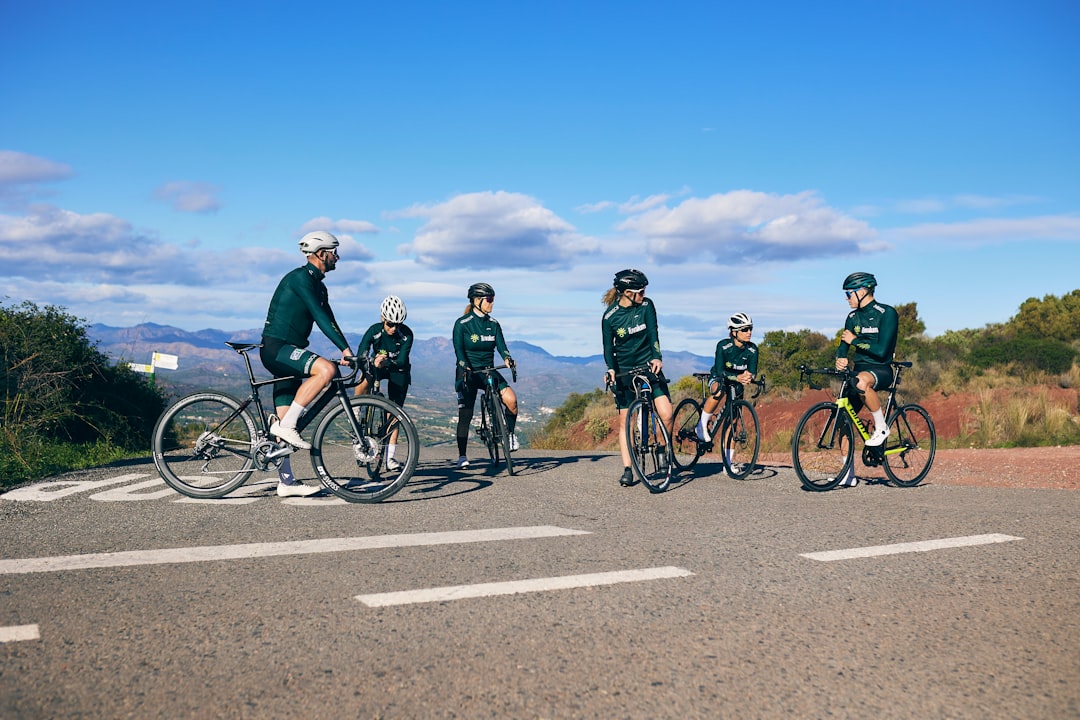
When an unplanned hard group ride enters your week, an adaptive plan rechecks recent load, protects recovery, and keeps a few key efforts.
A hard group ride can change the week because it adds stress the plan did not expect. The safest claim is narrow: the plan should treat that ride as new training input, then adjust the next block without losing the longer goal. In N+One terms: the plan keeps the destination but edits the next stretch of road.
A fixed plan assumes the week plays out as written. A hard group ride breaks that script because the work now sits inside the same recovery window as your planned sessions.
A good adaptive plan does not treat that as failure. It weighs the new ride, checks your recovery notes, and shifts the near-term plan so the next hard work still has a purpose.
This is the same logic behind plans that adjust across seasons, where the goal stays steady while the path changes. Your week can bend without losing its training arc.
Log the ride honestly, including how hard it felt.
Mark any missed or moved workouts in the plan.
Treat the next few days as a short reset, not a lost week.
Keep the main goal visible while the week flexes.
The plan keeps the destination while it rewrites the next few days.
Your threshold did not disappear; the training system around it changed for a few days.
Before you change the week, ask whether the ride was truly disruptive. Use simple checks you already know: morning feel, sleep quality, leg heaviness, and whether easy riding still feels easy.
Do not turn one tired morning into a full plan rewrite. Look for a pattern across more than one signal, then make one clean change rather than adding guesswork.
If the ride also made you miss planned work, use the same mindset as recovery after missed training. The plan should ask what changed, then move the next useful session into the right slot.
Check sleep, mood, and leg feel the next morning.
Note whether easy pace still feels easy.
Compare the ride with your normal long or hard sessions.
If several signals are off, call it a high-impact ride.
Adaptive plans detect sudden load spikes and reweight recent sessions when reassigning future workouts.
Data analysis is free, forever. The Dynamic Coach is Pro. Connected to Garmin, Strava, Whoop, and intervals.icu.
The plan should first protect recovery, then decide which quality work still belongs. That means trimming low-value volume before it removes every hard effort from the week.
This is why real-time plan changes matter for riders with social rides, work stress, and weather shifts. The best next step depends on what just happened, not what the calendar hoped would happen.
The key is not softness. It is sharper work selection, so you avoid stacking fatigue on top of a ride that already gave the week enough stress.
Keep one key hard session if recovery markers look stable.
Shorten the session before you delete all intensity.
Cut easy volume first when the week feels overloaded.
Move hard work away from the most tired day.
The plan edits the load while keeping the training signal clear.
Preserve intensity fidelity, trim near-term volume.
One tactical email with training ideas and product updates. No spam — unsubscribe anytime.
Keep reading
- Adaptive Training Plans: The Science That Boosts Cycling Performance — Adaptive training plans use real-time data (power, HRV, sleep, TSB) and decision algorithms to deliver the right stimulus at the right time. Learn th...
- Reverse Periodization for Time‑Crunched Cyclists: When Intensity Comes Before Volume — Reverse periodization for time-crunched cyclists: when to use intensity before volume, how to structure 12 weeks, and which mistakes to avoid.
- Rebuilding CTL After a Forced Break Without Triggering Overreaching — Rebuild CTL after a forced break without overreaching. Keep intensity, cut volume, use mostly aerobic work, and monitor CTL, ATL, TSB, and fatigue si...
For a long, hard group ride, make the next block calmer. Keep one purposeful intensity day, but shorten the work and make the other rides easy enough to feel controlled.
For a shorter ride full of surges, keep the week nimble. You may still hold a short high-quality session, yet the next easy day should stay easy by feel.
This is where moving a hard session safely helps. The point is not to earn back the plan; the point is to place stress where it can still work.
Long hard ride: keep one key session, but shorten it.
Long hard ride: make most other rides clearly easy.
Short surge-heavy ride: keep one sharp session if you feel ready.
Short surge-heavy ride: add an easy day before more hard work.
After the short reset, check whether your baseline has returned. Use the same signals you used at the start, because changing the test makes the answer less useful.
If sleep, leg feel, and easy-ride feel are back to normal, return toward the original plan. If they are not, keep the reduced block and avoid adding extra work to prove fitness.
This same guardrail appears in biology-led adaptive training. The body gives feedback, and the plan should listen before it asks for more.
Retest the same signals you checked after the ride.
Return to baseline only when easy work feels normal.
Add volume before you lengthen hard intervals.
If signals stay off, extend the lighter block.
The next decision comes from the same signals that triggered the reset.
Return volume first, then rebuild the length of harder work.
Right after the ride, choose full rest or a very easy spin, then log sleep, leg feel, and perceived freshness the next morning.
For the next training block, trim total riding time, keep only the most useful hard work, and shorten that hard work before removing it completely.
Keep easy rides easy by feel, even if the original plan asked for more, because the group ride already changed the week’s stress.
At the end of the reset, repeat the same checks and return to the baseline plan only when those signals look normal again.
After an unplanned hard group ride, your adaptive plan should not panic or punish you. It should recheck recent load, protect recovery, keep a few key efforts, and give you one clear next decision.
Usually, no. A better first move is to keep the most useful hard work, shorten it, and cut lower-value volume while recovery catches up.
Treat it as real training input. Log it, then let the plan shift the next sessions instead of trying to repeat the same stress right away.
Use the same checks you used after the ride: sleep, leg feel, freshness, and how easy riding feels. Return when those signals are back to your normal range.
Yes, if you log them honestly. The plan needs the ride’s effort and your recovery notes so it can move the next useful workout into the right place.