Trainer Difficulty vs Outdoor Power: Calibrating Indoor Targets in Adaptive Plans
5 min read

Trainer power and outdoor power can differ. Learn one clear seven-day rule to calibrate indoor targets in adaptive cycling plans.
On this page
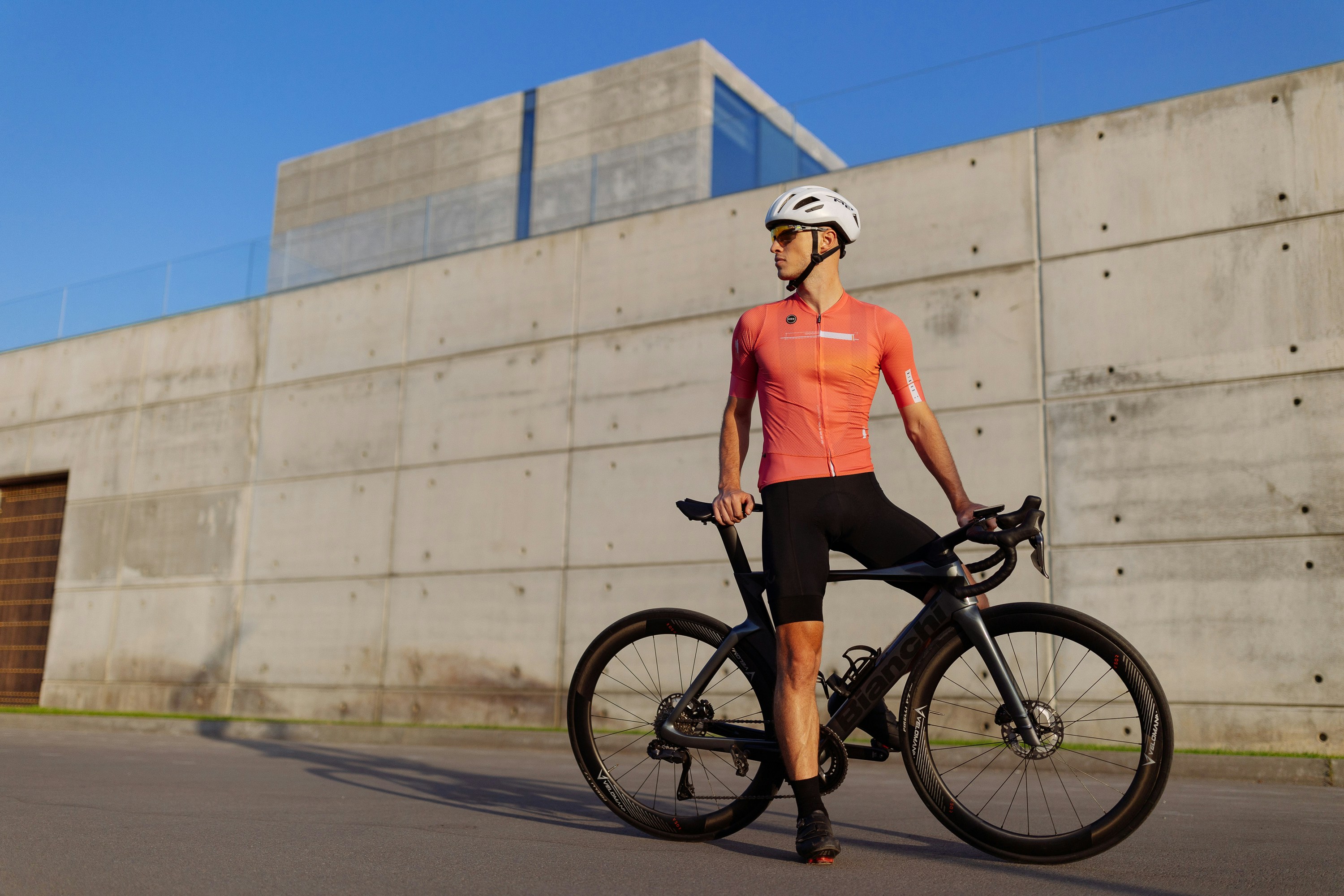
Photo by Oleg Kukharuk on Unsplash.
Trainer power and outdoor power can differ. Anchor targets with an outdoor benchmark, then use indoor work as a controlled stimulus.
If the same target feels harder on the trainer, your fitness has not vanished. Your devices, cooling, position, and ride setting may have changed the signal your adaptive plan sees.
Photo by Domenico Adornato on Unsplash.
Trainer power and outdoor power often differ because the ride system changes. A trainer holds the bike still, changes load feel, and removes road cues that shape effort outside.
For adaptive plans, the key is not perfect device agreement. The key is a stable reference that lets the plan dose work without chasing noise.
Use an outdoor benchmark first, then treat indoor targets as scaled training cues. This keeps real-time plan changes tied to the riding that matters most.
Anchor targets with one outdoor benchmark.
Use the same main power source when possible.
Keep interval targets steady for seven days.
Trim total work if indoor effort spikes.
This protects the plan while you sort signal from setting.
In N+One terms: your threshold did not vanish; the training system around it shifted.
Indoor riding removes airflow unless you add it back with fans. When cooling feels worse, the same target can feel harder even before your plan needs a true fitness change.
Power also depends on the device and where it reads force. A bike power meter, trainer, or app estimate can each show a slightly different view of the same effort.
Road riding adds small changes in slope, turns, standing, braking, and group flow. Those shifts can change how you hold power compared with a locked indoor position.
This is why indoor and outdoor training data should be compared with care. It is also why a sound adaptive plan looks at more than one session.
Use strong fan airflow for indoor tests.
Warm up the same way each time.
Zero-offset devices when the maker recommends it.
Compare like efforts, not random rides.
Indoor trainer power can diverge from outdoor power because of different mechanics, cooling, and bike handling.
Data analysis is free, forever. The Dynamic Coach is Pro. Connected to Garmin, Strava, Whoop, and intervals.icu.
Your next move is simple: keep the interval intensity, but cut total session work for seven days. Shorten the warmup, cooldown, or one repeat before you change threshold.
This keeps the planned stimulus in place while lowering the cost around it. It also avoids a rushed FTP drop from one hard indoor day.
If indoor sessions still feel out of line after the reduced week, run a benchmark test. Use the result to tune your indoor targets instead of steering by one workout.
This approach fits adaptive periodization near peak events, especially in summer race blocks. You keep the sharp work, but you stop excess load from hiding the signal.
Keep prescribed interval intensity.
Cut total session work by 10–20%.
Hold this for seven days.
Then re-test with one benchmark.
If the plan feels harder indoors, trim volume before you rewrite intensity.
One tactical email with training ideas and product updates. No spam — unsubscribe anytime.
Keep reading
- Adaptive Plan Recovery: What Happens When You Miss Three Days in a Row — Missed three training days? Learn why it is usually a short-term load shift, how to check readiness, and how to restart your cycling plan without ove...
- Personalised training plan: Life happens — make your schedule flexible — Personalised training plan doesn't stop when life interrupts. Learn how calendar-aware scheduling, CTL/ATL/TSB, and n+1 dynamic scheduling let busy c...
- Adaptive Plans and Group Ride Reality: Letting the AI Coach Plan Around Saturday Chaos — Learn how to let an AI coach plan around Saturday group ride chaos by treating it as one variable-intensity session and adapting recovery.
Pick one primary power source before you judge the plan. A bike-mounted meter is often the cleanest bridge between indoor and outdoor work when it is set up with care.
Then compare efforts that look alike. A hard outdoor benchmark should not be weighed against a short indoor session done hot, tired, and under-cooled.
Heart rate and RPE help flag drift when power looks tidy but effort feels wrong. They do not replace power, but they give the plan useful context.
This is where biology-aware training changes matter. The plan should respond to your whole training state, not just a device mismatch.
Choose one primary power source.
Match indoor and outdoor test style.
Log fan setup and room feel.
Track heart rate and RPE beside power.
In N+One terms: trust the pattern before you trust a single number.
An adaptive plan should not punish you for a harder indoor setup. It should ask whether the load, setting, and recovery inputs changed before it moves threshold.
If your readiness is low, less volume may be the right call even when your legs feel keen. That is the same logic behind reducing volume despite strong legs.
If you miss sessions or stack indoor stress, the plan should reshape the week. The goal is steady progress, not blind compliance with stale targets.
When the plan adds or removes threshold work, it should use clear trigger logic. You can read that pattern in threshold-day adaptation signals.
Day 0 — Decide: Choose the metric you will prioritize this week. If you have a bike-mounted power meter, use it as the main reference, then note the FTP or threshold input used by your adaptive plan.
Days 1–7 — Run planned sessions with one change: Keep prescribed interval intensities, but reduce total session work by 10–20%. Shorten the warmup, cooldown, or one repeat, and use strong airflow indoors.
Day 7 — Reassess with a benchmark: Perform a standardized 20-minute threshold test outdoors or indoors with strong cooling. Compare power, heart rate, and RPE with your baseline.
Ongoing — Document and iterate: Log device used, fan setup, room feel, perceived effort, and any target change. Build a personal indoor-to-outdoor adjustment pattern over repeated checks.
Trainer power and outdoor power can differ, so do not rewrite your plan from one hard indoor ride. Anchor targets with an outdoor benchmark, keep indoor work controlled, and reduce volume before you reduce intensity.
Not from one session. Keep the interval target, reduce total work for seven days, improve cooling, then reassess with a benchmark.
Use one primary power source whenever possible. If you ride with a bike-mounted meter outside and inside, it gives the plan a steadier bridge.
No. Heart rate is useful context, but it responds to heat, fatigue, and stress. Use it beside power and RPE, not instead of them.
Treat the gap as a personal offset. Anchor your training zones with outdoor benchmarks, then scale indoor targets from repeated indoor checks.