Tempo Riding for Cyclists: The Most Misused Zone in Endurance Training
5 min read

Tempo is often misused by cyclists as either hidden threshold work or vague easy riding. Learn how to find it, program it, and adjust this week.
On this page

Photo by Andreas Rasmussen on Unsplash.
Tempo is often misused because riders place it too close to threshold or treat it like long slow distance.
There is no PubMed-indexed paper with the exact title “Tempo Riding for Cyclists: The Most Misused Zone in Endurance Training.” That limits claims tied to a single study, so this guide uses conservative coaching rules, plain effort cues, and a clear weekly adjustment.
Tempo is best treated as steady, comfortably hard riding, not as a hidden race effort. It should feel more focused than easy endurance work, yet more controlled than a threshold test.
You may track it with power, heart rate, breathing, and how the work feels. If those signals disagree, start with the body signal and then check the device data afterward.
This is why zone systems can help, but they should not run the whole ride. If you need the wider map first, use a plain guide to cycling zones before you fine-tune tempo.
Hold a steady effort you could repeat, not a best effort.
Use breathing and talk cues before chasing a number.
Keep the first block slightly easier than you think.
Stop calling threshold intervals tempo.
Tempo works when it stays distinct from both easy riding and threshold work.
Tempo is the middle lane of your aerobic work, useful only when you hold the right speed.
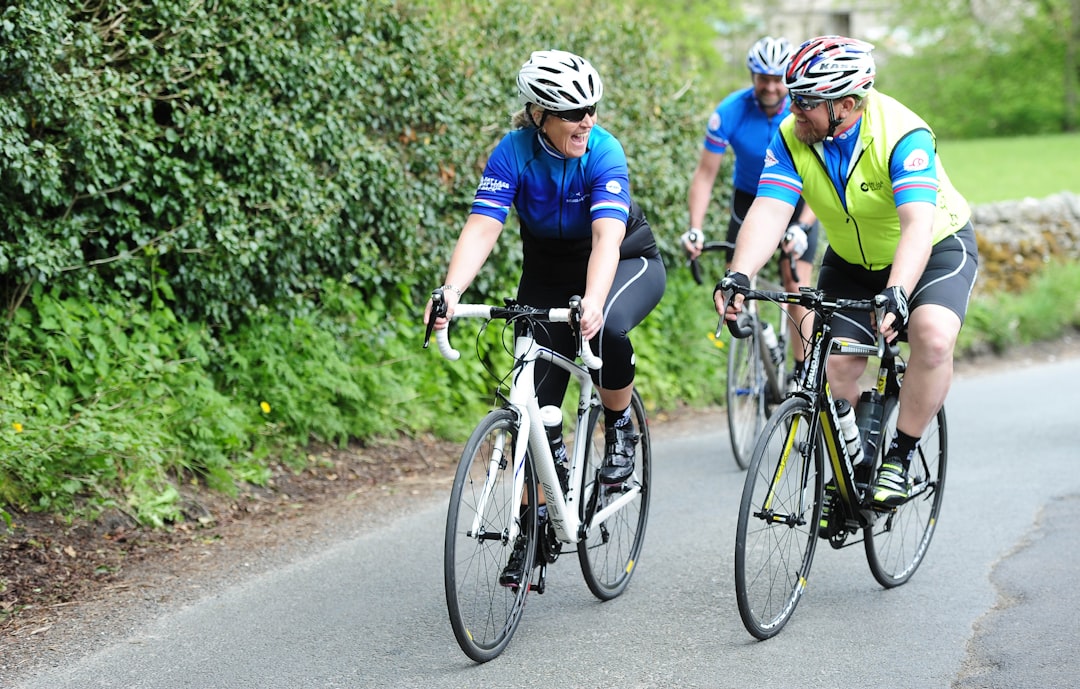
Photo by Fat Lads on Unsplash.
Tempo gets misused because it feels close enough to hard training to invite ego. Riders press a little more, then the session becomes threshold work with a tempo label.
The other error is drifting too low and turning the ride into vague filler. Easy riding has a job, but tempo needs enough grip to feel like steady work.
A fixed chart can also mislead you when testing, heat, sleep, and fatigue shift your output. For more context, compare how heart rate zones guide effort with how power shapes interval control.
If it feels like a test, back off.
If it feels like a social spin, lift the effort slightly.
Check whether fatigue changed the day’s ceiling.
Keep tempo blocks steady from start to finish.
The training system around you drifts when tempo lacks a crisp cue.
There is no PubMed-indexed paper with the exact title “Tempo Riding for Cyclists,” so direct literature on that phrase is absent; we rely…
Data analysis is free, forever. The Dynamic Coach is Pro. Connected to Garmin, Strava, Whoop, and intervals.icu.
Use a steady probe rather than locking onto yesterday’s number. After a warm-up, ride one controlled block and ask whether the effort feels firm but repeatable.
Breathing should be clear enough to control, but speech should be broken and brief. If you start bargaining with yourself early, you are likely above the intended slot.
Power and heart rate still matter, especially when the ride is long or the weather changes. If heat skews your response, review setting zones in hot conditions before you judge the workout.
Warm up before judging the effort.
Start the probe under control.
Back off if breathing turns sharp too soon.
Use device data to confirm, not override, the cue.
A short probe keeps tempo tied to today’s body, not last month’s chart.
One tactical email with training ideas and product updates. No spam — unsubscribe anytime.
Keep reading
- Coggan vs Friel vs Polarized Zones: Reconciling Three Cycling Zone Systems — Compare Coggan, Friel, and polarized cycling zones, then use one measured anchor to map your next training block without conflicting labels.
- Setting Cycling Training Zones: Ramp Test vs 20‑Minute FTP Test — Compare ramp tests and 20-minute FTP tests for cycling zones. Learn what each test measures, how to use the result, and how to verify FTP in training.
- Heart Rate Variability for Cyclists: How to Measure, Interpret, and Use HRV to Guide Training — A practical, science-based guide for cyclists: how HRV works, how to measure it reliably, how to interpret individual patterns, and how to use HRV wi...
Your next move is simple: keep the planned intensity, but trim tempo volume for seven days. This protects the useful signal while giving recovery room to catch up.
Replace the removed work with easy aerobic riding, not another hard block with a new name. If you want contrast, pair one tempo day with a true easy endurance ride.
This works best when the rest of the week has clear roles. Use easy miles for aerobic base to keep easy days honest, then let tempo stay focused.
Cut tempo volume by 20% for seven days.
Keep remaining tempo blocks steady.
Replace removed work with easy riding.
Do not add extra hard work elsewhere.
Reassess freshness after the week.
Keep intensity, trim volume, and let the week show whether tempo was the cost.
Start with simple blocks that reward pace control. A short tempo day can use repeated steady blocks, while a longer ride can hold one smooth stretch inside easy miles.
The point is not to win the first block. Ride the first part with restraint, then finish with the same feel rather than a rising strain.
If you are unsure where tempo ends and sweet spot begins, compare the middle-zone tradeoff. If your test data seems off, check why FTP and lab thresholds differ before you rebuild every zone.
Use short blocks when pacing is new.
Use longer blocks when control is stable.
Keep recoveries easy and calm.
Finish able to repeat the session later.
Progress by adding time, not strain.
Good tempo leaves a repeatable mark, not a recovery debt that hides the next signal.
Objective: restore tempo specificity while avoiding excess fatigue by keeping intensity steady and lowering tempo volume briefly.
Week plan: cut tempo volume by 20% for seven days, then replace the removed work with easy aerobic riding.
Focused session: if you need one tempo workout, warm up, ride two steady tempo blocks, separate them with easy riding, then cool down.
Assessment: if the second block needs a clear rise in strain, the effort is too high for tempo that day.
Next step: if recovery and session quality improve, add volume back slowly; if not, keep volume low and retest your zones.
Tempo is often misused because riders place it too close to threshold or treat it like long slow distance. Your next move is to keep the effort steady, cut tempo volume by 20% for seven days, and let recovery and repeatability tell you whether the zone is finally in the right place.
No. Tempo should feel steadier and more repeatable than threshold work. If a short block feels like a test, you are likely riding too hard for the purpose.
Use both if you have them, but do not ignore effort. Power can guide the target, heart rate can show internal strain, and breathing can keep the session honest.
Cut tempo volume first, not all intensity. Keep one controlled session, replace extra tempo with easy riding, and reassess after seven days.
Yes, but the blocks should stay short and controlled. Beginners often gain more from pacing skill than from adding more hard minutes.