Anaerobic Zone Training for Cyclists: When Z6 and Above Earn Their Place
5 min read

Learn when Z6 anaerobic work earns its place, how to dose sprint efforts, and how to protect recovery while building neuromuscular power.
On this page

Photo by Tim Foster on Unsplash.
Z6 and above earn their place when you need sprint speed, neuromuscular power, or repeated anaerobic surges.
Anaerobic work is not a badge of toughness. It is a high-cost training tool with a narrow job: raise short-power output when your event or role asks for it.
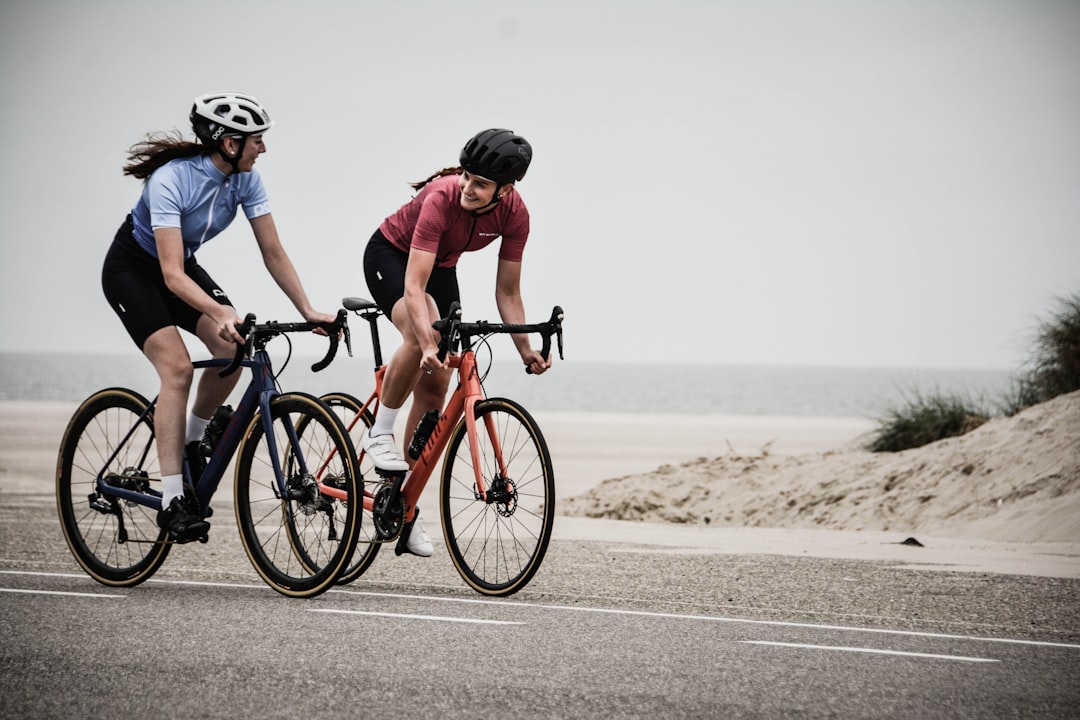
Photo by Coen van de Broek on Unsplash.
Z6+ work has a targeted, limited role for most cyclists. Use it for short speed, sprint prep, and neuromuscular power, not as a default hard day.
If your week lacks a clear sprint or repeat-surge goal, build the base first. Start with easy aerobic miles, then add Z6 only when the race need is plain.
Your single next move is simple: add one short Z6 session this week, then trim non-essential volume so recovery can keep pace. In N+One terms: keep Z6 as a surgical tool, not a barn-door approach.
Use Z6 only for sprint speed, peak power, or repeated surges.
Keep the session short and highly specific.
Protect recovery by cutting filler volume elsewhere.
Do not stack Z6 beside another hard day.
This keeps Z6 tied to sprint speed, neuromuscular power, and repeated anaerobic surges.
Keep Z6 as a surgical tool, not a barn-door approach.
Z6 and above efforts are very short, very hard bursts. They ask for high force, fast recruitment, and energy from pathways that do not rely mainly on steady oxygen use.
The practical point is simpler than the lab terms. These efforts cost more than they look like, so they need more care than tempo, sweet spot, or steady endurance work.
Use power, heart rate, and feel together, because each signal can drift under load. A broad guide to power, heart rate, and RPE helps you place Z6 within the whole system.
Z6+ taps short, hard energy pathways.
The work is brief, but the cost is high.
Power shows output; feel shows strain.
Full recovery protects the next sprint.
Z6 and above target anaerobic capacity and neuromuscular power, useful for sprints, repeated attacks, and short-track events.
Data analysis is free, forever. The Dynamic Coach is Pro. Connected to Garmin, Strava, Whoop, and intervals.icu.
Use Z6 when the event asks for short peak power. That may mean a sprint, a crit surge, a track move, or a late attack from a small group.
If your goal is long steady output, Z6 is less central. You will often gain more from threshold work, endurance rides, and a clear view of how power zones guide hard days.
In N+One terms: Z6 is a tool for role-specific translation, not general fitness. The work should look like the move you need to make on the road.
Use it for sprint roles and short-event demands.
Use it before race-like surge work.
Skip it when steady power is the main goal.
Match the effort to the race move.
The goal is to spend Z6 only where sprint speed or repeated surges matter.
Z6 is a tool for role-specific translation, not general fitness.
For most targeted riders, start with one Z6 session in the week. A second session only makes sense when recovery is stable and the event need is strong.
Keep each effort brief and keep the rest long enough for real sprint intent. If the power fades early, the session has become fatigue work, not clean Z6 work.
Place Z6 away from your longest ride and your hardest threshold day. If you are unsure where it fits, compare your week against polarized and pyramidal intensity patterns.
Start with one Z6 day per week.
Use brief maximal efforts, not long grinds.
Rest long enough to repeat high output.
Stop when sprint quality drops.
Keep other hard work low that week.
One tactical email with training ideas and product updates. No spam — unsubscribe anytime.
Keep reading
- Sweet Spot vs Tempo: When the Middle Zones Earn Their Place in a Cyclist Week — Sweet spot vs tempo for cyclists: learn when each middle-zone effort fits your week, how to choose the right workout, and how to protect recovery.
- Why Your Training Zones Are Lying to You — The industry treats training zones like fixed containers—static boxes you step into for 60 minutes and leave unchanged. This is a physiological misun...
- Winter Cycling Training: Stay Motivated Indoors with Zwift and the Right Gear — Winter cycling training that actually sticks: use Zwift, structured sessions, smart gear, and adaptive planning to protect fitness, train with purpos...
Z6 is high-cost currency. Spend it only on outcomes that need it, then watch whether the rest of your week still holds together.
Track sleep, morning heart rate, mood, soreness, and whether sprint power stays repeatable. If those markers slip, reduce Z6 volume for a short block and keep the aerobic work easy.
Heart rate may lag during very short efforts, but it still helps show recovery trend over time. Use heart rate zone patterns and HRV trend checks as context, not as stand-alone commands.
Track sleep, soreness, mood, and morning heart rate.
Watch whether sprint power repeats cleanly.
Cut Z6 volume if recovery markers worsen.
Rehearse sprint position before full efforts.
Keep easy days truly easy.
The recovery check protects the speed and power you are trying to build.
Treat Z6 as high-cost currency—spend only on outcomes that need it.
This article stays conservative because the provided source set points to PubMed-indexed literature, not one named trial with fixed outcomes. That means the physiology language is broad, and the prescriptions are starting rules.
Do not treat any single Z6 recipe as universal. Your event, age, training past, sleep, and current load all shape whether the same session helps or just adds strain.
If you need study-level effects, use the PubMed search in the references and read the primary papers. For planning, pair this article with a deeper look at anaerobic work capacity for attacks.
Treat the rules here as starting points.
Do not generalize one study to every rider.
Check the primary PubMed papers for exact effects.
Change the dose when recovery changes.
Week 1 — Intro: Do one Z6 session with 6 × 10-second all-out sprints from a rolling start. Take 4 minutes easy between efforts, add one long aerobic ride, and keep two easy recovery days.
Week 2 — Consolidate: Do one Z6 session with 8 × 12-second efforts at sprint intent. Take 4–5 minutes recovery, keep position and cadence sharp, and avoid other high-intensity sessions that week.
Week 3 — Test and tune: Do one Z6 session with 10 × 8–12-second efforts only if recovery is normal. If fatigue rises, cut Z6 volume by 20% and repeat week 2.
Z6 and above earn their place when you need sprint speed, neuromuscular power, or repeated anaerobic surges. Keep the dose small, keep recovery long, and judge the session by repeatable high-quality output, not by how wrecked you feel afterward.
No. Z6 is most useful when your event or role needs sprint speed, short attacks, or repeated high-power surges. If your goal is steady endurance, put aerobic and threshold work first.
The clearest sign is repeatable high output with good sprint mechanics. If power drops fast, soreness rises, or the next key session suffers, the dose is too high.
Yes, but keep it small and specific. One short session can fit, but the rest of the week should leave room for easy endurance riding and full recovery.
Heart rate often lags during very short efforts, so it is not the best real-time target. It is more useful as a recovery trend alongside sleep, soreness, mood, and power repeatability.