Performance Dashboard Walkthrough: Fitness, Form, and Freshness at a Glance
5 min read

Walk through Fitness, Form, and Freshness in the N+One performance dashboard, then use one clear seven-day rule to adjust training load.
On this page
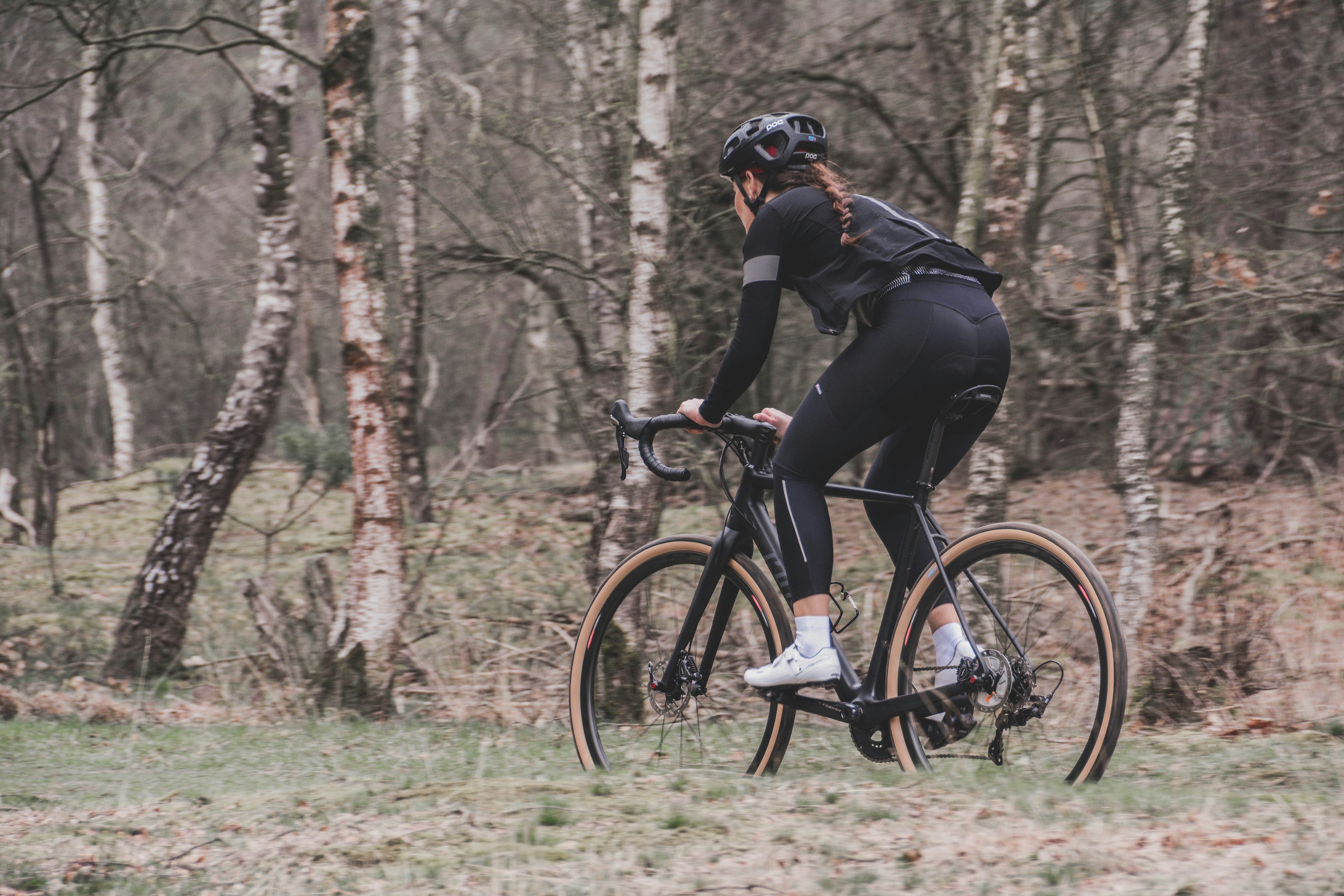
Photo by Coen van de Broek on Unsplash.
Read Fitness as chronic load, Form as recent fatigue, and Freshness as recovery. If freshness is low, keep intensity and cut volume for seven days.
This dashboard is not a scorecard for your worth as a rider. It is a compact way to see how training load, recent strain, and recovery signals line up before you choose the next session.
The performance dashboard condenses three views into one status screen: Fitness, Form, and Freshness. Fitness points to longer-term training load, Form shows recent strain against that base, and Freshness reflects short-term recovery.
Use the dashboard before you change the plan, not after the workout goes poorly. If you want the deeper model behind these terms, start with how training stress balance works.
The most useful read is not one number by itself. You are looking for alignment: steady Fitness, manageable Form, and Freshness that supports the work planned today.
Fitness tracks longer-term training load over weeks to months.
Form compares recent strain against your broader load trend.
Freshness shows short-term recovery before hard sessions or races.
Use all three before changing the day’s plan.
Read the trio together so one clear next move replaces guesswork.
In N+One terms: the dashboard is the training system’s status screen; don’t guess, read it.
Photo by Fat Lads on Unsplash.
Fitness is a slow-moving view of the training load you have built through repeated work. It should rise and fall more slowly than how you feel after one hard ride.
Do not treat one sharp day as proof that your base changed. Look for the broader line, then compare it with long-term progress across twelve weeks.
When Fitness is rising in a smooth way, the system is likely taking on work well. When it stalls or fades, keep the stimulus steady before you add more load.
Check the trend across several weeks, not one ride.
Keep intensity when the line rises smoothly.
Avoid abrupt volume jumps after a good week.
If the line stalls, add load in small steps.
In N+One terms: Fitness is your engine capacity, and it grows best through steady work.
Fitness = chronic load; shows long-term adaptation and aerobic base.
Data analysis is free, forever. The Dynamic Coach is Pro. Connected to Garmin, Strava, Whoop, and intervals.icu.
Form is the dashboard’s view of recent strain against the fitness base you already built. A low Form reading can mean you are carrying fatigue, even when Fitness looks strong.
This is why race week can look different from build week. For a closer race-day view, compare this screen with how form and fitness trade off.
Use Form to time key efforts, not to judge the whole season. If Form is low before a target day, lower the load before you chase more work.
Low Form before a key day means reduce strain first.
Positive Form can support harder work or racing.
Do not chase high Fitness while ignoring Form.
Use Form with the training diary, not alone.
Form helps you keep the hard work on the days that can hold it.
In N+One terms: Form is the fatigue offset that helps you time the work.
One tactical email with training ideas and product updates. No spam — unsubscribe anytime.
Keep reading
- N+One Power Curve vs Strava Power Curve: Why the Numbers Differ — Why N+One and Strava power curves can differ, what processing choices change the numbers, and a 7-day protocol to compare matched ride files.
- Personal Records in N+One: How the App Detects Breakthrough Efforts — What can and cannot be said about N+One personal-record detection from the provided source, plus a safe protocol for reviewing a breakthrough effort.
- Race Result Analysis in N+One: Tagging Outliers Without Distorting Your Trend — Learn how to tag race outliers in N+One without deleting data or distorting your performance trend, then make one clear training decision.
Freshness is your shortest-term readiness signal inside the dashboard. It helps decide whether today’s planned work should stay, shrink, or shift easier.
Freshness may reflect the same week differently from Fitness because it responds to nearer inputs. Pair it with training readiness for the next session when you need a same-day call.
If Freshness is low, your threshold did not disappear. Your recovery inputs shifted, so today’s output may need a smaller demand.
Treat Freshness as the day-level readiness check.
Low Freshness means ride easy, shorten, or rest.
High Freshness supports planned intervals or racing.
Still respect the work already in your legs.
In N+One terms: Freshness is the daily signal that turns a plan into the right session.
Single metrics do not tell the whole story. Check the dashboard against recent sessions, sleep, travel, illness, heat, and how the legs feel during warm-up.
A hard summer block can leave Fitness high and Form low by design. The same pattern after poor sleep or travel may call for a lighter week, especially before key efforts.
Use the session page when the dashboard and your feel do not match. A close look at single-workout pacing and variability can show whether the ride was smooth or costly.
Compare the dashboard with your recent training diary.
Give more weight to Freshness after travel or illness.
Use sleep and RPE when numbers feel off.
When unsure, cut volume for one week and reassess.
In N+One terms: metrics are inputs, and context is the interpreter.
Decision rule: if Form is low and Freshness is low, cut volume by 20% and replace one hard session with an easy aerobic ride. If Form is positive and Freshness is high, keep intensity and limit extra volume increases to 10%.
Day 1–2: put recovery first, then complete one easy aerobic ride if the dashboard supports riding. Keep the effort controlled and check Freshness the next morning.
Day 3–4: if Freshness has recovered, do one focused intensity session aligned with your target. If it has not recovered, ride steady and easy or rest.
Day 5: use active recovery or complete rest based on Freshness. Recheck the Form trend before adding work again.
Day 6–7: repeat a moderate session only if Freshness is high. Otherwise keep both days easy, then choose one clear next move: maintain, reduce volume for another week, or plan a focused intensity block.
Read Fitness as chronic load, Form as recent fatigue, and Freshness as recovery. If Freshness is low while Fitness is stable, keep intensity, cut volume by 20% for seven days, then reassess.
Not always. Low Freshness means the day’s demand should drop. That may be a shorter easy ride, low-end aerobic work, or full rest if the whole context points that way.
It can drift down when load falls, but one easy week does not erase your base. Use the trend and compare it with how you feel before you add work back.
That often means you have built load but are carrying strain. Before a key effort, reduce volume first and let Form recover while keeping light aerobic rhythm.
Freshness should guide the same-day call, then Form and Fitness set the wider frame. The best choice comes from reading all three together.