Mid-Season FTP Check‑In in N+One: How the App Detects a New Threshold Without a Test
5 min read

How N+One flags a mid-season FTP shift from recent ride power, heart-rate, and recovery context, plus a short micro-check for mixed signals.
On this page

N+One does not guess FTP. It flags shifts using recent ride power, heart-rate, and recovery context, then gives one clear next move.
A direct PubMed search did not return a peer-reviewed paper that describes N+One’s proprietary FTP-detection method. So this guide stays narrow: it explains the evidence-aligned logic of model-based threshold checks, what the app can safely infer from field data, and how you should act when an update appears.
N+One looks for a repeatable shift in your riding data, not one heroic effort. Your recent power, heart-rate, and recovery context all help frame whether FTP has likely moved.
When your normal hard work starts to sit above the old pattern, the app can flag a possible new threshold. You can then keep zones closer to your current fitness without making every check-in a formal test.
This is why trend context matters. A single ride can be noisy, while longer trend patterns in N+One help show whether the training system has truly changed.
Look for repeated hard efforts, not one best day.
Compare new work against your stored FTP pattern.
Check recovery context before accepting a change.
Treat low-confidence updates as prompts, not facts.
The promise is simple: N+One turns a noisy mid-season signal into one clear next move.
In N+One terms: the system treats day-to-day hard efforts as rolling micro-checks, then waits for enough evidence before suggesting a change.
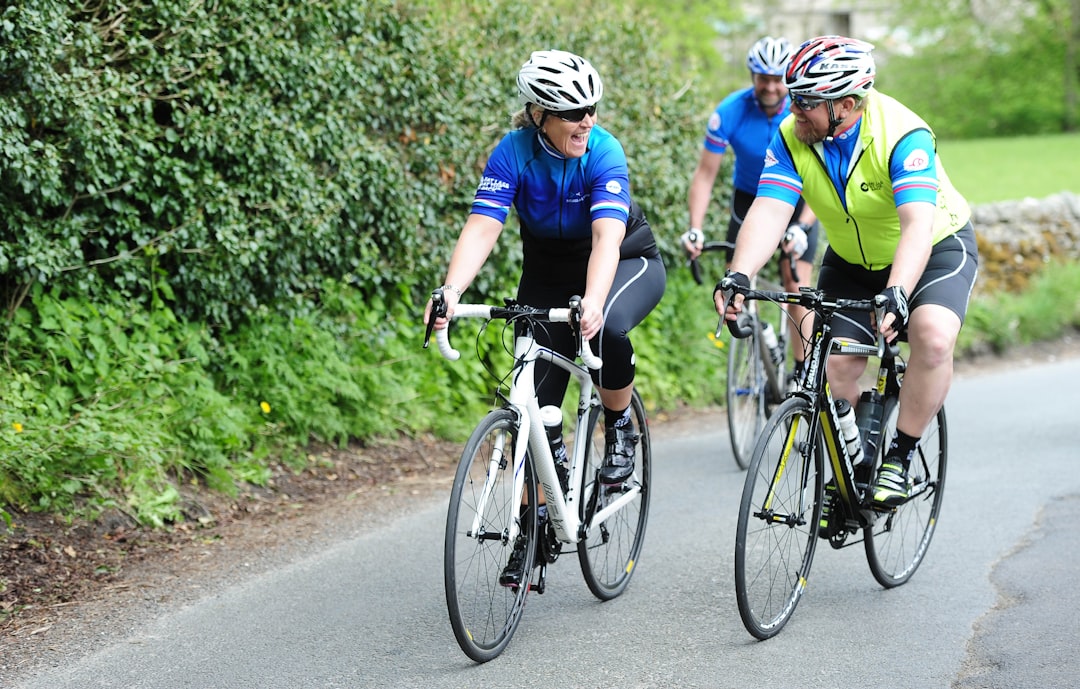
Photo by Fat Lads on Unsplash.
We cannot state the exact N+One algorithm from public research, because the available source does not show it. The safe claim is narrower: apps commonly infer threshold shifts from repeated field data and model confidence.
For N+One, the useful inputs are recent sustained power, rolling best efforts, normalized power patterns, heart-rate response, and recovery context. When those signs move together, the case for a real FTP change gets stronger.
You can inspect the same logic by comparing two rides side by side. If one workout looks better but the broader trend does not move, the app should stay cautious.
Use sustained efforts as stronger evidence than sprints.
Check whether heart rate fits the power change.
Watch fatigue before trusting a new high.
Review outlier rides before changing zones.
There’s no PubMed-indexed paper that specifically describes N+One’s internal FTP-detection algorithm.
Data analysis is free, forever. The Dynamic Coach is Pro. Connected to Garmin, Strava, Whoop, and intervals.icu.
Trust rises when several rides point the same way and recovery looks normal for you. Your threshold did not disappear; your recovery inputs shifted, so the output may change.
A good update should fit your recent pattern, not just your best mood, best route, or best weather. If the app also shows a clearer fitness line, the signal is more useful.
If the trend feels unclear, use your N+One fitness trend line before you reset zones. That view helps separate real gains from a few fresh-legged rides.
Accept updates that match several similar rides.
Pause when fatigue is higher than normal.
Ignore one-off efforts with odd conditions.
Use trend views before changing training zones.
A trustworthy update should make your next training choice clearer, not more confusing.
In N+One terms: the system needs consistent power evidence and healthy recovery context before it promotes a threshold change.
One tactical email with training ideas and product updates. No spam — unsubscribe anytime.
Keep reading
- Training Stress Balance in N+One: Reading CTL, ATL, and Form Without the Jargon — Learn how to read CTL, ATL, and Form in N+One so you can act on training stress trends without overreacting to daily noise.
- Understanding a workout or session — How to read a session page in N+One: header metrics, intervals, streams, maps, and calendar context so you can interpret every ride.
- Race Result Analysis in N+One: Tagging Outliers Without Distorting Your Trend — Learn how to tag race outliers in N+One without deleting data or distorting your performance trend, then make one clear training decision.
If N+One suggests a higher FTP, do not debate it ride by ride. Accept it when the evidence is repeated and recovery is normal; otherwise run a short micro-check.
Keep intensity in the plan, but trim extra load while you check the signal. This keeps the work specific without turning a threshold question into a fatigue problem.
If the micro-check backs the update, use the new FTP for future zones. If it does not, keep the old setting and let the app gather more field data.
For a deeper view, use breakthrough effort detection alongside single-workout pacing detail. Together, they show whether the result was durable work or just one uneven file.
Accept the update when evidence repeats.
Delay when recovery looks strained.
Run the micro-check if confidence is mixed.
Keep the old FTP if results do not hold.
N+One infers FTP from training data. It does not directly measure a lab threshold, and the available source does not support a stronger claim.
Power files can shift for reasons that are not fitness. Weather, route choice, pacing, device setup, and data sync problems can all change the story the app sees.
Before you treat a surprising update as truth, rule out simple data issues. If numbers look wrong, start with a clean N+One power re-sync, then compare the pattern again.
If you want the foundation behind the metric, review how FTP anchors power zones. That context makes app-led threshold updates easier to judge.
Check power meter setup before accepting surprises.
Flag unusual routes or weather in your notes.
Treat tiny changes as weak signals.
Verify when training decisions depend on the update.
In N+One terms: better input data gives the model a cleaner view of your current training state.
Goal: confirm whether the app-detected FTP change reflects a real training shift without making every check-in a full FTP test.
First ride: after an easy warm-up, ride two steady sub-threshold efforts. Keep pacing smooth and record power, heart rate, and perceived effort.
Recovery block: keep the next easy rides truly easy. Watch whether sleep, heart rate, and general freshness return to your normal pattern.
Second key ride: after a full warm-up, ride one steady near-threshold effort at a pace you can hold without surging.
Decision: if both key rides support the higher pattern and recovery stays normal, accept the update. If results are mixed, keep the current FTP and let N+One gather more data.
N+One does not guess FTP; it flags shifts using recent ride power, heart-rate, and recovery context. Accept the update when the signal repeats, and use a short micro-check when confidence is mixed.
No. N+One can infer a likely threshold shift from field data, but the available source does not support saying it replaces a formal test in all cases.
No. Accept it when recent rides, trend context, and recovery all point the same way. If the signal is mixed, run the micro-check first.
Check device setup, calibration habits, route context, and sync status before changing zones. A data issue can look like sudden fitness.
Recovery context helps separate a true performance shift from short-term strain or unusual freshness. It gives the power data a better frame.