Hemoglobin Mass and Endurance: Why Altitude Camps Work for Some Cyclists
5 min read

Altitude camps can raise hemoglobin mass for some cyclists, but response depends on iron status, baseline Hbmass, hypoxic dose, and training load.
On this page
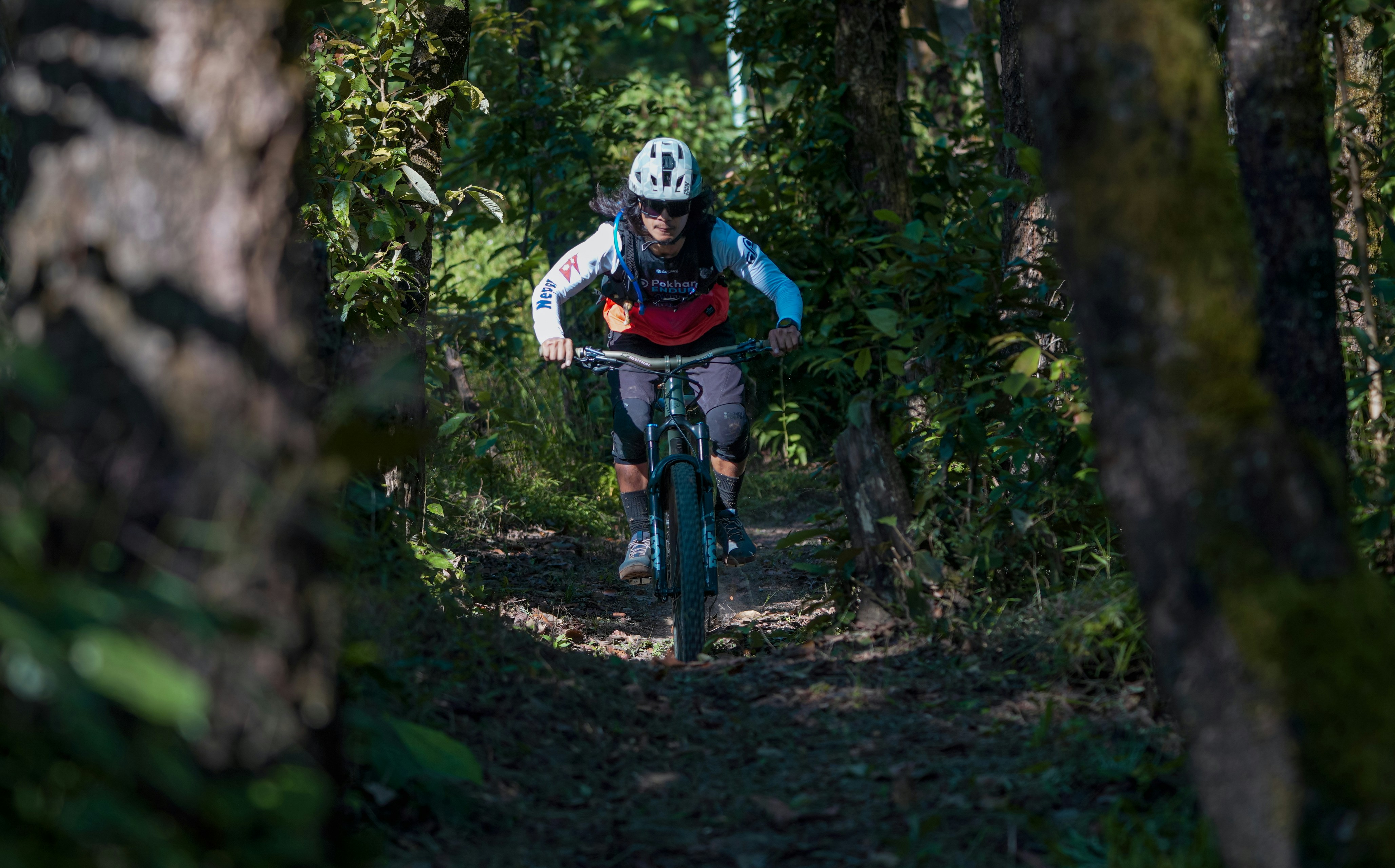
Photo by Sunil Chandra Sharma on Unsplash.
Altitude camps can raise hemoglobin mass for some cyclists, but only when iron, dose, and training load line up.
Hemoglobin mass, often shortened to Hbmass, is the total amount of hemoglobin in your blood. At altitude, lower oxygen pressure can raise erythropoietin, which helps drive red blood cell production. That pathway is why altitude camps may help endurance riders, but it also explains why the same camp can work well for one cyclist and do little for another.
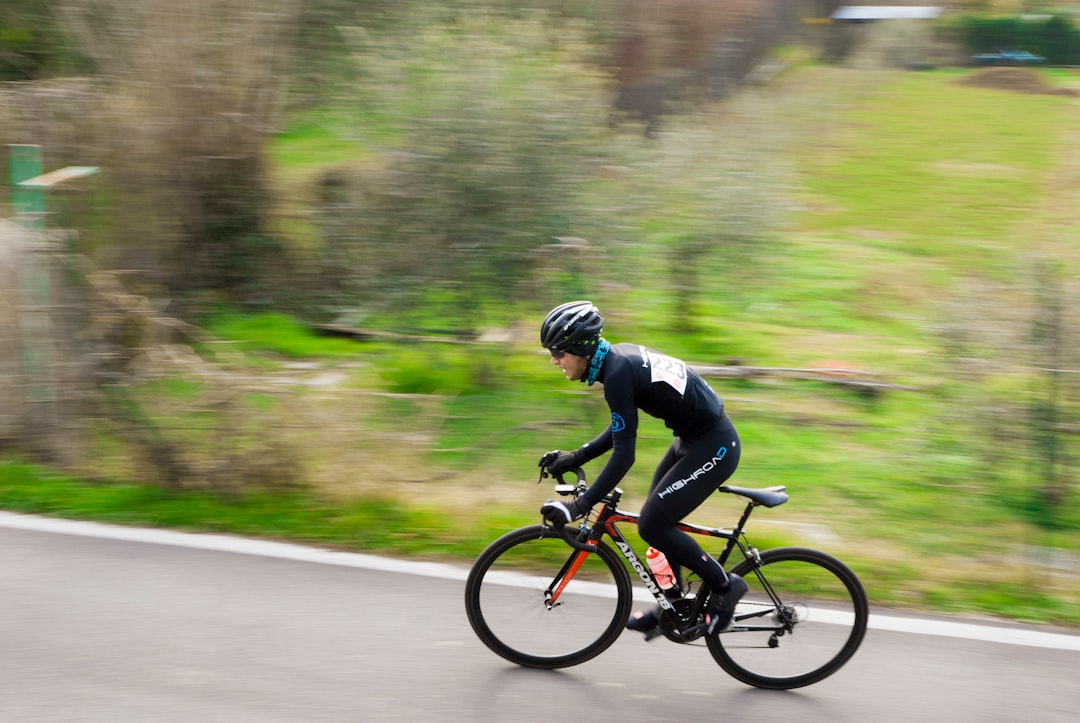
Photo by Mattia Cioni on Unsplash.
Hemoglobin mass is the size of your oxygen-carrying pool, not just a single blood test snapshot. Hemoglobin concentration can shift with hydration and plasma volume, while Hbmass speaks more to total carrying capacity.
During hard endurance work, your muscles need oxygen delivery, fuel use, and heat control to stay in balance. Hbmass is one part of that system, alongside capillary growth from easy miles, mitochondrial changes from endurance work, and cardiac stroke volume gains.
Altitude matters because lower oxygen pressure can start a signal chain that raises erythropoietin. That hormone signal can support new red blood cell production when the needed inputs are present.
Treat Hbmass as oxygen-carrying capacity, not a day-to-day freshness score.
Expect altitude effects to take time, not appear after one ride.
Keep aerobic work steady while the blood system adapts.
Track performance alongside fatigue, not apart from it.
In N+One terms: Hbmass is a hardware change, while training load decides whether you can use it.
Hbmass is a hardware change; altitude exposure is one tool that may raise that hardware for some riders.
The same altitude camp can give two riders different outcomes because the starting point is not the same. Baseline Hbmass, iron status, recent illness, prior altitude exposure, and total hypoxic dose all shape the response.
Iron status matters because red blood cell production needs raw material. If ferritin is low, the signal from altitude may be strong, yet the body may lack what it needs to build more hemoglobin.
Training load also changes the result. If you arrive tired and then add stress too fast, the camp can become a fatigue block instead of an adaptation block.
Check ferritin and hemoglobin concentration before you book travel.
Do not start altitude work while iron-limited.
Plan the camp around adaptation, not proving fitness.
Hold key sessions, but trim excess volume early.
The training system around you — starting Hbmass, iron, and workload — determines whether altitude adds net Hbmass.
Data analysis is free, forever. The Dynamic Coach is Pro. Connected to Garmin, Strava, Whoop, and intervals.icu.
One tactical email with training ideas and product updates. No spam — unsubscribe anytime.
Hypoxia raises erythropoietin, which can increase hemoglobin mass over weeks — that’s the core mechanism behind altitude camps.
The main pitfall is treating altitude as a guaranteed performance lever. It is a stressor first, and the gain depends on how well you absorb that stress.
Some riders expect gains right away, then chase the feeling with harder training. That can hide the signal you want, because fatigue may rise before useful blood changes show up.
Use simple checks to keep the camp honest. Watch sleep, perceived fatigue, training quality, and blood markers when testing is available, while keeping the wider aerobic base in view through tools like aerobic drift on long rides.
Do not judge the camp from the first few rides.
Avoid sharp volume jumps during acclimation.
Track fatigue with the same care as power.
Plan follow-up testing before the camp starts.
Keep reading
- Mitochondrial Biogenesis in Cyclists: How Endurance Training Builds Your Aerobic Engine — Learn how mitochondrial biogenesis helps cyclists build aerobic capacity, and how to use Zone 2 work, focused intervals, and recovery in your weekly...
- Beta‑Oxidation Pathways in Endurance Cycling: How Your Body Burns Fat at Threshold — Beta‑oxidation breaks fatty acids into acetyl‑CoA for ATP. Learn why fuel use shifts near threshold and how to train fat metabolism without losing po...
- Aerobic Decoupling in Cycling: What It Reveals About Your Endurance Base — Aerobic decoupling shows when heart rate drifts during steady power. Learn how to measure it, read the trend, and make one clear training adjustment.
Before you commit to altitude, get a baseline. Measure Hbmass if you have access, or at minimum check ferritin and hemoglobin concentration with a qualified clinician.
If iron status is poor, fix that first with medical guidance rather than hoping altitude will override it. Your threshold did not disappear; your recovery inputs shifted, so the output dropped.
Then build the camp as a focused exposure, not a heroic training surge. Keep key intensity controlled, trim non-essential volume, and compare results with your normal work on long-ride fuel use and power-duration training balance.
Test Hbmass if available before altitude.
If not, check ferritin and hemoglobin concentration.
Correct iron issues before travel.
Keep intensity, but cut non-essential volume.
Re-test after the camp to see what changed.
If you want day-to-day guidance without second-guessing, let N+One translate your latest training and recovery context into one clear next decision.
Get the baseline inputs right so altitude exposure can produce the desired output.
Pre-camp: two to six weeks before travel, measure hemoglobin mass if available. If not, check ferritin and hemoglobin concentration, then address low iron with a clinician or sport-medicine provider before you travel.
Pre-camp: reduce non-essential training load in the final week before travel. Enter the camp fresh enough to adapt, not tired enough to turn every ride into damage control.
During camp: treat the first days as an acclimation window. Keep intensity submaximal to targeted, avoid sharp volume increases, and track sleep, fatigue, and ride quality.
During camp: protect the sessions that matter and cut filler work first. The goal is a clean altitude stimulus paired with training you can absorb.
Post-camp: retest Hbmass or iron markers after returning when testing is available. Resume progressive training and adjust volume based on recovery, performance, and test results.
Altitude camps can raise hemoglobin mass for some cyclists, but they work through a system: hypoxic dose, iron status, starting Hbmass, and training load. Your next move is simple: test before you go, correct iron limits first, keep intensity controlled, and trim excess volume while the altitude signal does its work.
No. Altitude can support Hbmass gains in some riders, but the response varies. Baseline Hbmass, iron status, illness, prior altitude exposure, and training stress all shape the outcome.
No. Hemoglobin concentration is affected by blood volume shifts and hydration status. Hemoglobin mass is the total amount of hemoglobin, which is closer to the oxygen-carrying pool.
No. Altitude already adds stress. Keep key intensity controlled, cut non-essential volume early, and let the body adapt before adding more load.
Use the best available proxy. Check ferritin and hemoglobin concentration with a clinician, review recent training load, and avoid starting a camp if iron status is poor.
ChatGPT for your training — connected to your wearables.