Beta‑Oxidation Pathways in Endurance Cycling: How Your Body Burns Fat at Threshold
5 min read

Beta‑oxidation breaks fatty acids into acetyl‑CoA for ATP. Learn why fuel use shifts near threshold and how to train fat metabolism without losing power.
On this page
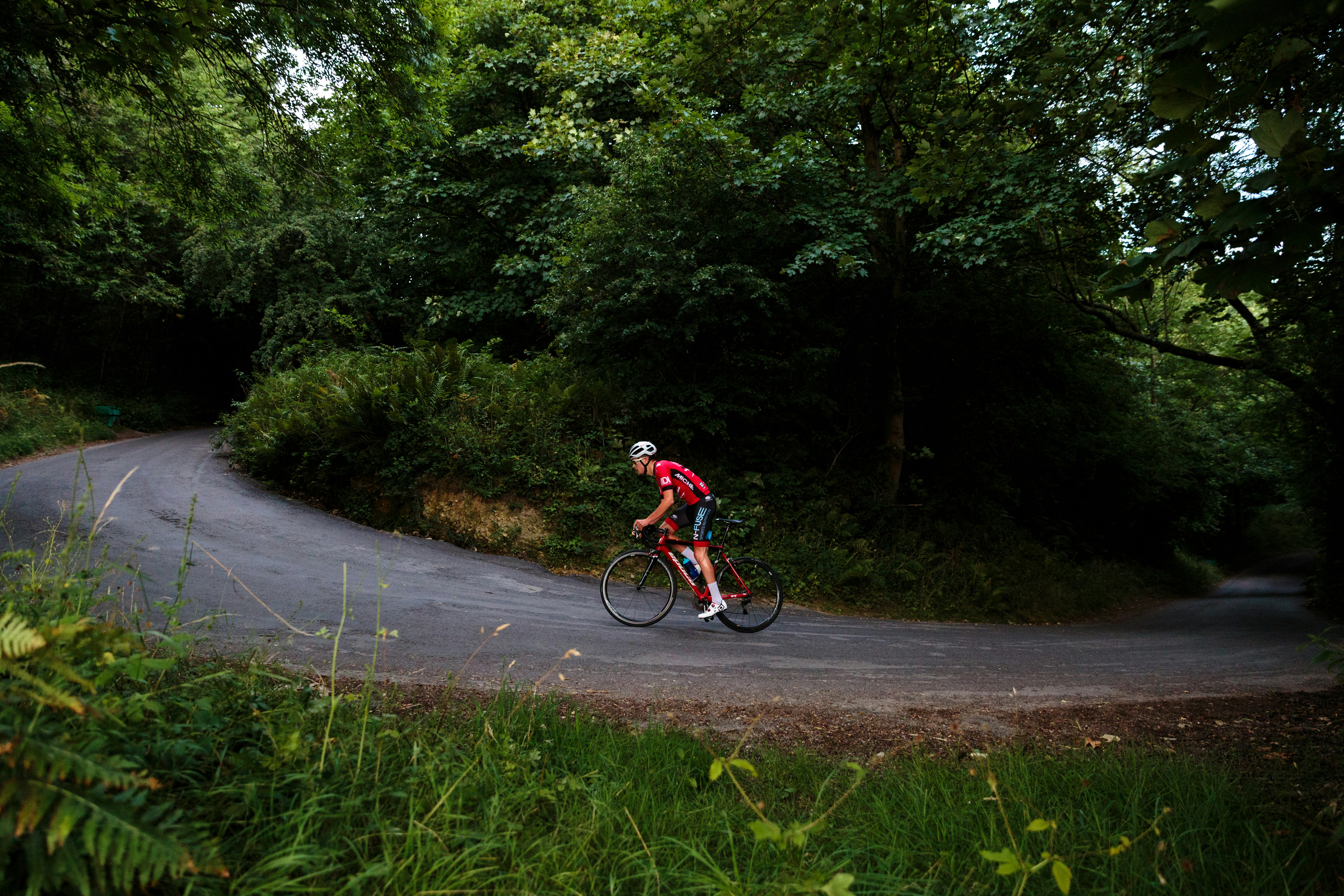
Photo by Chris Kendall on Unsplash.
Beta‑oxidation breaks fatty acids into acetyl‑CoA for ATP. Near threshold, your fuel mix shifts toward carbohydrate.
Endurance rides draw on both fat and carbohydrate, but the mix changes as effort rises. This piece keeps the claim narrow: beta‑oxidation is a mitochondrial pathway, and near threshold the body tends to lean more on carbohydrate. For primary work, use the linked PubMed search as your starting point.

Photo by Munbaik Cycling Clothing on Unsplash.
Beta‑oxidation is the path your muscle cells use to break fatty acids into smaller fuel units. The work happens in mitochondria, after fat has first been freed and moved toward working muscle.
Long‑chain fatty acids cannot simply drift into the mitochondrial matrix. They are handled through activation and transport steps, including the carnitine shuttle described in PubMed-indexed physiology literature.
Once inside, beta‑oxidation cuts the fatty acid chain in two‑carbon steps. Those pieces become acetyl‑CoA, which can enter the TCA cycle and support ATP production.
For cyclists, this matters because long steady work asks the aerobic system to keep turning fuel into usable energy. If you want a deeper training view, see how and how .
Data analysis is free, forever. The Dynamic Coach is Pro. Connected to Garmin, Strava, Whoop, and intervals.icu.
The clean move is not to replace hard work with only easy miles. Keep the intensity that protects threshold, then trim total load for a short block.
This week, hold your key intensity sessions steady and cut total volume modestly. Then add two controlled aerobic rides that keep breathing calm and power stable.
That mix gives the aerobic system repeated work without burying your threshold output under too much fatigue. If your heart rate drifts while power stays flat, endurance base signals can help you read the pattern.
You can also frame this through the delivery side of the system. Fat use depends on cellular machinery, but steady riding also asks your circulation to move oxygen well, as covered in stroke volume changes from cycling.
Keep your normal intensity sessions this week.
Cut total weekly volume by a modest amount.
Add two steady aerobic rides at an easy, controlled effort.
Use one long conversational ride if your week can hold it.
Reassess threshold feel and power after seven days.
This keeps the fuel pathway trained while the main threshold signal stays clear.
Preserve the threshold signal, lower background strain, and give beta‑oxidation enough steady work to stay trained.
One tactical email with training ideas and product updates. No spam — unsubscribe anytime.
Keep reading
- Aerobic Decoupling in Cycling: What It Reveals About Your Endurance Base — Aerobic decoupling shows when heart rate drifts during steady power. Learn how to measure it, read the trend, and make one clear training adjustment.
- VLamax explained for cyclists — VLamax explained for cyclists: what it means, how it affects sprint and threshold power, how to test it, and a 6-week plan to lower glycolytic stress.
- VLamax explained for cyclists — VLamax explained for cyclists: what lactate production rate means, how it relates to VO2max and threshold, and how to train it for your event.
Fuel choice changes the setting in which training happens, but it should not become a moral test. The aim is to support the session you planned.
For steady aerobic rides, some riders choose to start without a large hit of fast carbohydrate. That may nudge the session toward more fat use, but individual response varies.
For long rides, small regular carbohydrate intake can help you hold the work without turning the day into survival. For hard threshold work, refuel enough to protect quality and recovery.
Keep this practical and narrow. If you have a medical condition, a history of disordered eating, or a complex health concern, use clinician guidance before changing fueling.
Match fueling to the goal of the ride.
Know the route: fatty acid, acyl‑CoA, carnitine shuttle, mitochondrial matrix.
Keep the goal simple: support steady ATP output, not magic fat burning.
Use aerobic rides to keep the pathway well rehearsed.
Match hard days with enough recovery so the system can adapt.
This helps you keep fat metabolism useful when threshold work stays in the plan.
Beta‑oxidation is the engine room for fat use; transport and mitochondrial capacity shape how much work that engine can do.
Near threshold, your body is not turning fat use off. It is matching fuel to the rate of work you are asking from the system.
As power rises, the demand for fast ATP turnover grows. Public physiology summaries and PubMed-indexed work describe a shift toward more carbohydrate use at higher exercise intensity.
That shift does not mean fat metabolism failed. It means the whole system, including oxygen delivery and mitochondrial flux, is being asked to meet a harder task.
This is why threshold work and aerobic work should not fight each other. Your plan needs both the ceiling from intensity and the base from steady riding, much like aerobic drift on long rides can show when the base is thin.
Do not chase every endurance ride into threshold.
Keep threshold work purposeful and bounded.
Use easy aerobic days to build repeatable fuel use.
Watch breathing and drift, not just average power.
Your threshold did not erase fat oxidation; the fuel mix changed because the work rate changed.
Beta-oxidation happens in mitochondria after fatty acids are mobilized, activated to acyl‑CoA, and shuttled by the carnitine system into …

Do not underfuel key intensity work.
Keep long aerobic rides steady, not depleted and frantic.
Use hydration and recovery as basic inputs.
Seek medical guidance for health-specific fueling needs.
The first mistake is turning every easy ride into a test. That adds stress without giving a clear signal to beta‑oxidation or threshold power.
The second mistake is treating carbohydrate as the enemy. Carbohydrate is part of the work system, especially when intensity rises near threshold.
The third mistake is ignoring fatigue while adding more endurance work. When the training system drifts, the output drops even if the biology still works.
A better plan uses structure instead of restraint for its own sake. If you want broader context on intensity balance, compare low and moderate intensity blends before you change the whole week.
Fat oxidation improves when the system is trained, not when the rider tries to force every ride into depletion.
Goal: preserve threshold intensity while re‑training mitochondrial fat flux through a short load reset and two targeted aerobic sessions.
One clear decision: keep your scheduled intensity workouts unchanged, reduce total weekly volume for seven days, and add two steady aerobic rides.
Aerobic ride cues: ride at a controlled sub‑threshold effort, keep breathing easy, avoid surges, and finish feeling like you could keep going.
Intensity session cues: hold your usual targets, keep recovery between efforts honest, and do not add extra work at the end.
Long ride option: if your week can absorb it, add one conversational endurance ride without turning it into a race.
Reassess after seven days with a short threshold check or a known hard interval, then resume normal volume if output feels stable.
Beta‑oxidation breaks fatty acids into acetyl‑CoA for ATP, but near threshold your fuel mix shifts toward carbohydrate. Keep intensity, lower background volume briefly, and add controlled aerobic work so fat metabolism stays useful without dulling threshold power.
No. The better framing is that the fuel mix shifts as work rate rises. Near threshold, carbohydrate use tends to rise because the system must meet a higher rate of ATP demand.
No. Fasted or lower-carbohydrate rides are not required for every rider, and they can make some sessions worse. Use steady aerobic work first, then adjust fueling only when it fits the day.
A short volume cut is used here to lower background fatigue while keeping key intensity. The goal is not detraining; it is a cleaner signal from the sessions that matter.
Use a familiar threshold effort, perceived exertion, and power or heart-rate response. If threshold output feels stable and aerobic rides feel controlled, return toward normal volume.