Glycogen Storage and Sparing: What Cyclists Should Know Before Long Rides
5 min read

Glycogen fuels long rides, but stores are finite. Learn how cyclists can start full, ride steady, refuel, and train for better glycogen sparing.
On this page
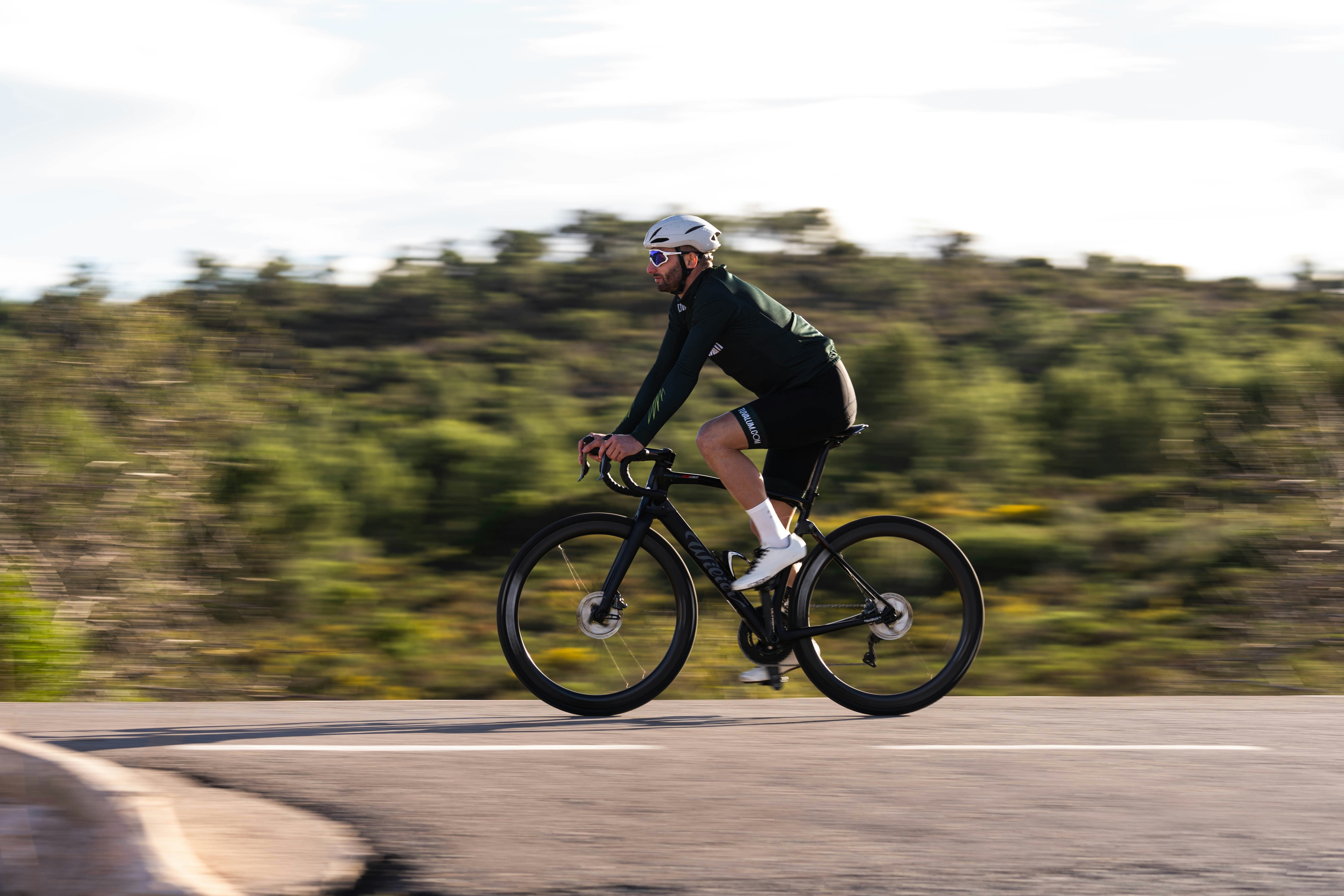
Glycogen fuels long rides, but stores are finite. Start full, ride steady, and refuel before power drops.
Glycogen is the stored form of carbohydrate in your muscles and liver. It helps support harder riding, repeated surges, and long work when the pace rises. The supplied source list did not return specific dosing papers, so this guide keeps claims broad and practical.

Photo by Coen van de Broek on Unsplash.
Glycogen is stored carbohydrate, mainly held in muscle and liver tissue. Muscle glycogen helps fuel work in the fibers doing the job, while liver glycogen helps support blood glucose during long rides.
When glycogen runs low, the same climb can feel harder even if the power looks familiar. You may still ride, but the system leans more on fat use and lower output.
That is why long-ride planning should pair fuel with pacing. Your aerobic base, including better fat use on long rides, changes how fast those stores are drawn down.
Know that hard surges draw heavily on muscle glycogen.
Use liver glycogen as a reason to fuel long steady work.
Watch for rising effort at the same power.
Pair pacing with fuel, not one or the other.
In N+One terms: protect the reservoir before you ask for more power.
Your usable energy reservoir is finite; the training and fueling around a ride shape how long it lasts.
The simplest pre-ride move is not exotic. Eat familiar carbohydrate-rich meals before a long ride, and avoid making the gut solve a new problem on the start line.
A last meal a few hours before the ride can help you start with better carbohydrate availability. If the start is early, a small easy snack may be enough to bridge the gap.
If you want day-to-day guidance without second-guessing, let N+One translate your latest training and recovery context into one clear next decision.
Eat familiar carbohydrate-rich meals before big rides.
Keep fiber, fat, and new foods modest before the start.
Use a small quick snack when an early start limits breakfast.
Do not chase fullness; aim for settled energy.
Muscle and liver glycogen are the primary carbohydrate stores for endurance cycling and are limited in volume.
Data analysis is free, forever. The Dynamic Coach is Pro. Connected to Garmin, Strava, Whoop, and intervals.icu.
Glycogen sparing starts with the first hour, not the moment you feel empty. A steady start lowers needless spikes and keeps more carbohydrate available for later work.
Regular carbohydrate intake also helps, but exact amounts depend on the rider and the ride. Test fuel in training, because gut comfort is part of the system, not a side note.
Pacing matters as much as food. Riders who keep surges in check usually protect late-ride power better than riders who burn matches early.
Start controlled, especially on climbs and group surges.
Take carbohydrate before you feel flat.
Practice fuel timing on training rides.
Avoid repeated hard jumps unless the ride demands them.
One tactical email with training ideas and product updates. No spam — unsubscribe anytime.
Keep reading
- Beta‑Oxidation Pathways in Endurance Cycling: How Your Body Burns Fat at Threshold — Beta‑oxidation breaks fatty acids into acetyl‑CoA for ATP. Learn why fuel use shifts near threshold and how to train fat metabolism without losing po...
- VLamax explained for cyclists — VLamax explained for cyclists: what lactate production rate means, how it relates to VO2max and threshold, and how to train it for your event.
- Type I Fiber Recruitment Patterns During Sub‑Threshold Cycling — Sub-threshold cycling favors Type I fiber recruitment, but direct evidence is limited. Learn how cadence, fatigue, and volume shape the training sign...
Endurance training can shift how your body meets a given workload. With better aerobic fitness, the same steady pace may demand less stress from limited carbohydrate stores.
Long easy rides help build the base for that shift. Related changes such as more capillaries from easy miles and mitochondria built through endurance work support the same broad goal.
You still need to train the specific ride you plan to do. Event-like sessions teach your gut, pacing, and legs to work as one system under real strain.
Keep long aerobic rides truly easy enough to repeat.
Practice event pacing before the event week.
Test fuel when breathing and cadence are realistic.
Avoid stacking hard days before a key long ride.
In N+One terms: train the system that saves glycogen, not just the legs that spend it.
Train the metabolic system to rely more on fat at steady pace, then practice fuel under real conditions.
Low glycogen is not the only cause of fading power, but the pattern is useful. You may feel heavier legs, less snap, and higher effort at a pace that should feel known.
Power, heart rate, and perceived effort can help you read the drift. If your output falls while effort rises, treat the ride as a system check, not a character test.
Your best next move is simple. Lower the pace, take an easy carbohydrate source, and review the pre-ride meal and early pacing before the next long ride.
Look for rising effort at familiar power.
Note loss of punch on climbs or surges.
Ease the pace before the fade becomes deep.
Review fuel and pacing after the ride.
Days −7 to −4: Keep your usual rhythm, but do not add surprise hard work. Include one longer easy ride to practice the fuel you plan to use.
Days −3 to −2: Trim some volume while keeping the legs moving. Make carbohydrate-rich meals the default, and keep food choices familiar.
Day −1: Ride easy or rest. Eat a familiar higher-carbohydrate dinner, drink to thirst, and avoid any last-minute food experiment.
Ride morning: Eat a carbohydrate-focused meal a few hours before the start if you can. If the start is early, use a small fast snack that you already trust.
If you start to bonk: Drop intensity, take quick carbohydrate, and shorten the ride if needed. Then review your fueling and pacing, not your willpower.
Glycogen fuels long rides, but stores are finite. Start full, ride steady, and refuel before the drop becomes obvious; your next ride should be planned as one linked system of meal, pace, fuel, and recovery.
No. Save deliberate carbohydrate focus for longer rides, harder group rides, and events where late-ride power matters. For easy short rides, normal meals are often enough.
Some riders use low-intensity sessions with lower carbohydrate availability, but this should be handled with care. Do not use it for key hard sessions, and avoid it when recovery is already poor.
Not always. Heat, dehydration, poor sleep, illness, and pacing errors can also make power fall. Still, a sharp fade with high effort often means fuel and pace need review.
Change the early ride, not just the last hour. Start steadier, eat before you feel empty, and use your next long ride to test one clear fueling plan.
ChatGPT for your training — connected to your wearables.