How Adaptive Training Plans Adjust When You Are Sick
5 min read

How adaptive training plans should adjust when you are sick: pause intensity, lower load, use symptom guidance, and return in stages.
On this page
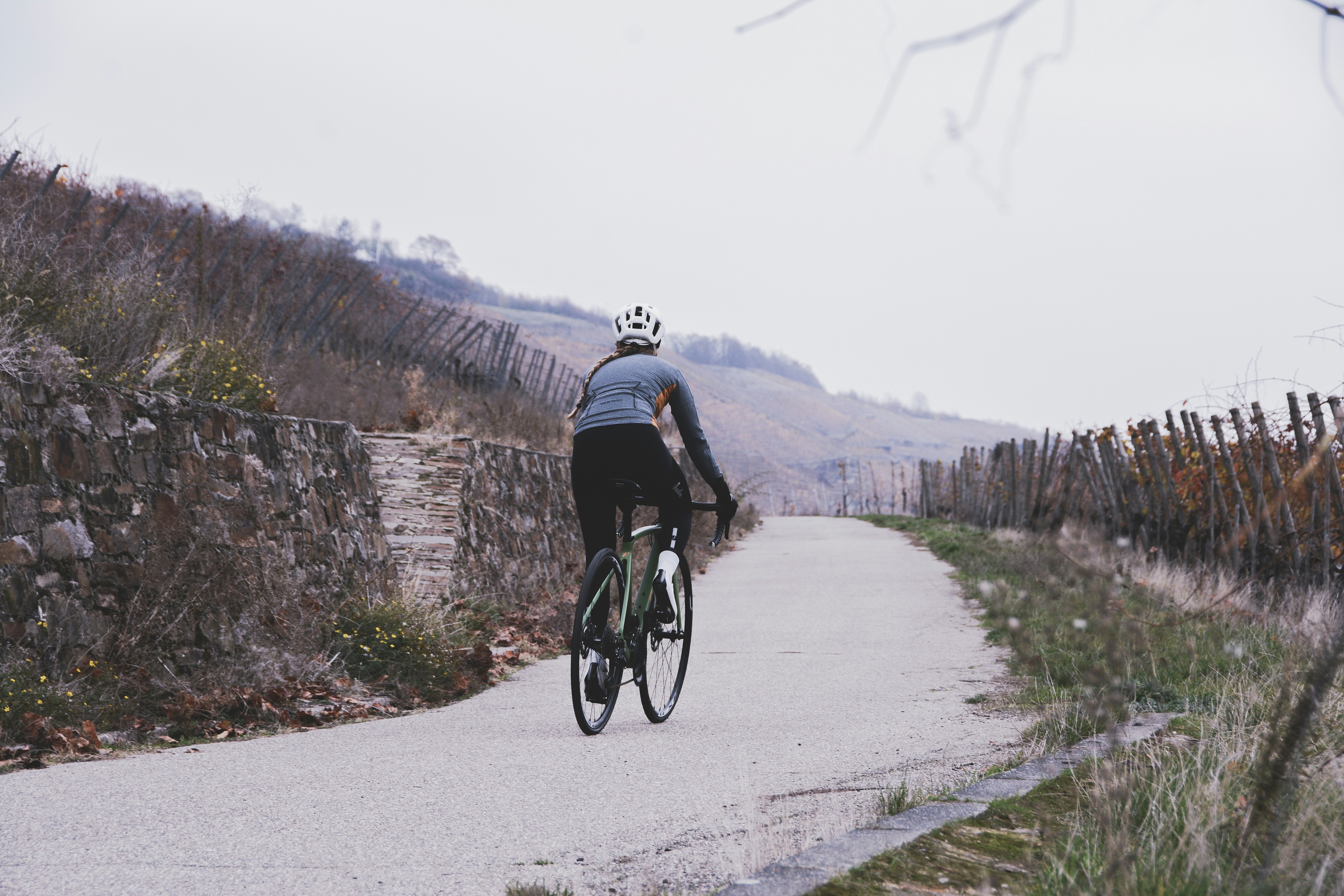
Photo by Coen van de Broek on Unsplash.
When you get sick, adaptive plans lower training load, pause hard work, and guide a staged return as symptoms improve.
Illness changes the recovery side of the equation. The plan should not punish you; it should lower stress until your symptoms and recovery signals point back toward training.
A good plan is not built from workouts alone. It is built from the match between training stress and your current ability to recover.
When you are sick, that match changes. Sleep may get worse, effort may feel higher, and the same ride can cost more than it did last week.
That is why a smart plan should scale down, much like it would after missing several training days or carrying more fatigue than expected.
Stop planned high-intensity work first.
Keep only low-stress aerobic work if symptoms are mild.
Let symptoms and recovery data shape the next session.
Do not try to repay missed workouts later.
In N+One terms: hold the goal, reduce load, and let recovery set the next step.
Your threshold did not disappear; your recovery inputs shifted, so the output should drop for now.

Photo by Nico Knaack on Unsplash.
Use symptoms as the first gate. If you have fever, chest tightness, dizziness, marked muscle aches, or breathlessness, stop training and seek medical advice.
If symptoms are mild and above the neck, easy riding may be reasonable for some athletes. Keep it short, calm, and easy enough that breathing stays under control.
When the signal is unclear, choose rest. One missed workout is easier to absorb than pushing hard while your body is asking for room.
Fever, dizziness, chest tightness, or breathlessness: stop training.
Mild upper-respiratory symptoms: easy aerobic work only.
Symptoms that worsen during riding: stop and rest.
Unclear symptoms: choose rest and reassess tomorrow.
Adaptive plans prioritize recovery: they reduce or pause planned intensity and volume until symptoms settle.
Data analysis is free, forever. The Dynamic Coach is Pro. Connected to Garmin, Strava, Whoop, and intervals.icu.
Adaptive plans usually change three levers: intensity, volume, and frequency. Intensity comes off first because hard work asks more from a system already under strain.
Volume drops next, while frequency may shift toward more rest days. This is the same logic behind using less volume when you feel strong: readiness matters more than wishful load.
The goal is not to protect a calendar. The goal is to keep the next useful training signal within reach.
Remove threshold, VO2, and race-pace work first.
Cut total riding time for the short term.
Swap hard sessions for rest or easy spins.
Add rest days if symptoms or effort rise.
Rebuild only after clear improvement.
In N+One terms: the plan should move with biology, not force biology to obey the plan.
Keep quality sessions offline, hold aerobic continuity where safe, and let recovery data guide the ramp back.
One tactical email with training ideas and product updates. No spam — unsubscribe anytime.
Keep reading
- When Your Adaptive Plan Adds a Threshold Day: The Trigger Logic Explained — Why adaptive plans add threshold days, which inputs usually trigger the change, and the one-week protocol to accept or adjust the session.
- Travel-Aware Adaptive Plans: How the Coach Handles Time Zones and Hotel Trainers — Learn how a travel-aware cycling coach handles time zones, local time, hotel trainers, and reduced volume while preserving key intensity sessions.
- Adaptive Plans Across Seasons: Move from Base → Build → Peak Without a Manual Reset — Move from base to build to peak without a manual reset. Learn how to shift emphasis, keep useful fitness, and use recovery signals to guide the next...
Wearables can add useful context, but they do not replace how you feel. Resting heart rate, sleep, and heart-rate variability can help show whether recovery is trending back.
Symptom notes keep the data honest. If the numbers look fine but breathing feels off, the next session should still stay easy.
This is where biology-led adaptive planning helps most. It turns scattered signals into one safer decision instead of asking you to debate every workout.
Return-to-training should be staged. Start with short, easy sessions, then add duration before true intensity.
After symptoms settle, use one controlled sub-threshold ride before harder work. If symptoms return or effort feels oddly high, drop back to rest or easy aerobic riding.
Late-season racing can make this hard, especially when events are close. Still, real-time adaptive plans should protect the next block, not chase one missed interval.
Start with short, easy aerobic rides.
Add duration before high intensity.
Use one controlled sub-threshold session first.
Keep the next hard workout conservative.
Step back if symptoms return.
Day 0: Stop all high-intensity intervals. Rest, or ride very short and easy if symptoms are mild and stable.
Days 1–3: Keep all sessions easy and short. Add rest if symptoms worsen, effort rises, or recovery data moves the wrong way.
Days 4–7: If symptoms are clearly improving, try one shorter sub-threshold session instead of maximal work.
After day 7: Build volume back over several days. Reintroduce hard efforts only if symptoms stay absent and recovery signals are steady.
Any time: If fever, breathlessness, chest tightness, dizziness, or marked muscle aches appear, stop training and seek medical advice.
When you get sick, adaptive plans should lower training load, pause hard work, and guide a staged return as symptoms improve. The next clear move is simple: stop intensity now, keep only low-stress riding if symptoms are mild, and reassess before adding load.
No. Treat the sick days as a recovery detour, not a debt. Resume with a reduced session, then let the next few rides show whether normal load fits again.
If symptoms are mild, above the neck, and stable, easy aerobic riding may be reasonable. Keep it short, avoid intensity, and stop if symptoms worsen.
Trust symptoms first. Wearable data can guide the plan, but breathing, fever, dizziness, and unusual fatigue should override a green recovery signal.
Seek medical advice before training if you have fever, breathlessness, chest tightness, dizziness, marked muscle aches, or symptoms that keep worsening.