Fatigue Resistance vs Peak Power: Train the Trait That Wins Your Local Race
5 min read

Learn when fatigue resistance beats peak power in local cycling races, how to assess repeatability, and how to train it with a clear 8–14 day microcycle.
On this page
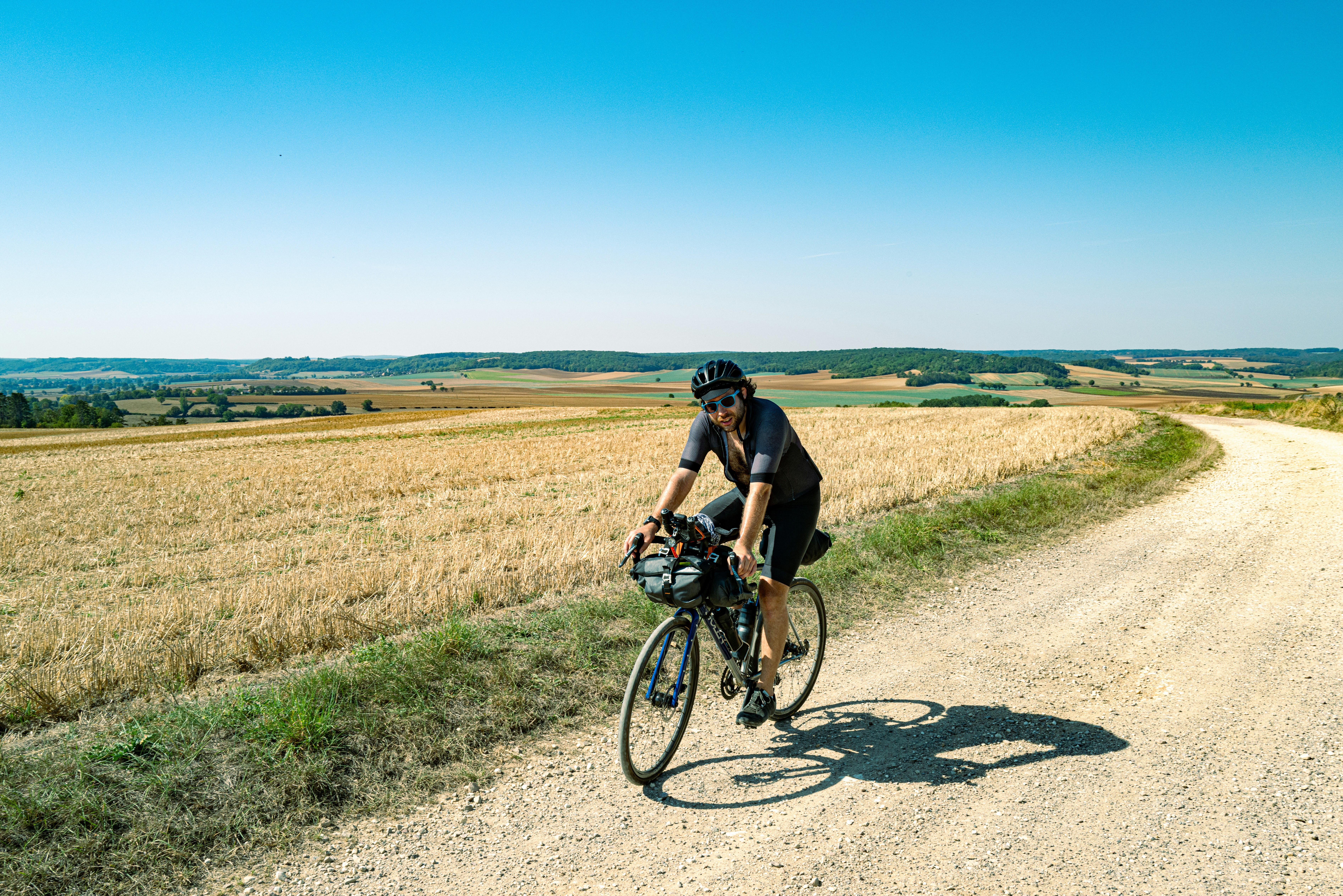
Photo by Éole Wind on Unsplash.
Local races are usually won by fatigue resistance, not one isolated peak power number. Train repeatability so late moves still feel possible.
Peak power still matters, especially for the final jump. But most community road races and crits ask you to surge, settle, recover, and surge again before the sprint even starts. The useful question is not whether peak power is good; it is whether your peak still shows up after repeated work.
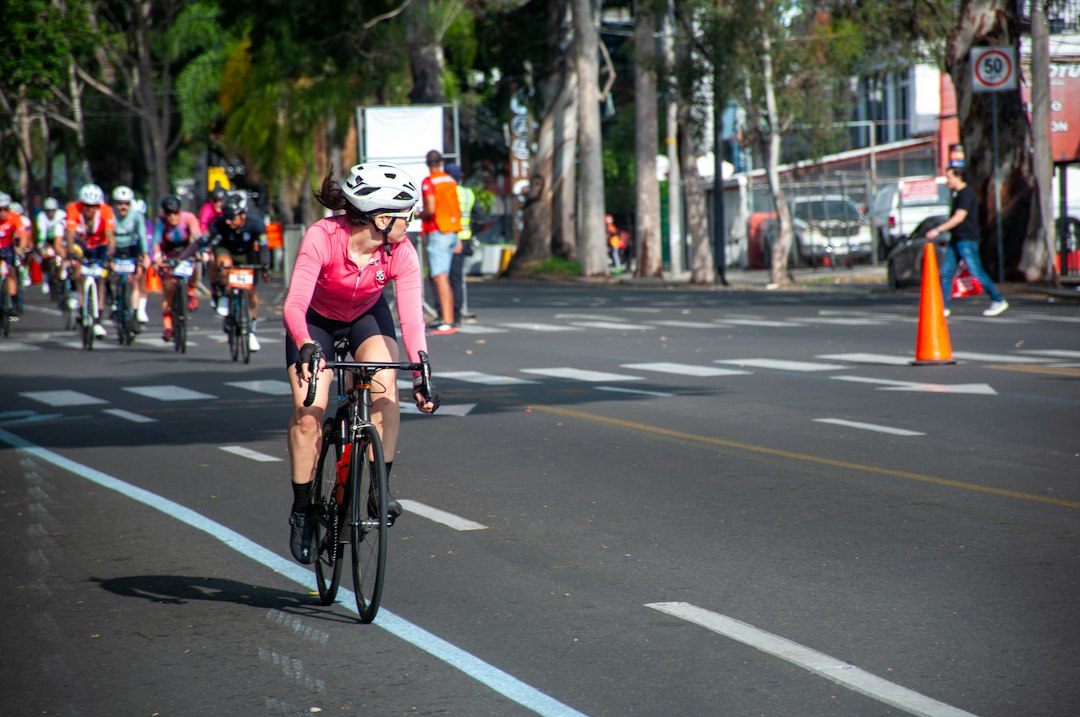
Photo by Gerardo Gómez on Unsplash.
A race is rarely one clean sprint from fresh legs. It is a chain of pulls, corners, climbs, attacks, and small gaps you must close while staying calm.
Peak power tells you what you can do once. Fatigue resistance tells you whether you can keep making useful power after the race has already spent part of you.
Think of fatigue resistance as repeatability under load. It sits beside your aerobic base, threshold, and how well you handle hard work between recoveries; our guide to lactate threshold and functional reserve gives that system more context.
Treat the race as a series of efforts, not one sprint.
Keep peak-power work, but stop making it the only scorecard.
Prioritize repeatability when surges or climbs decide the race.
Review late-race files before you judge your sprint.
In N+One terms: keep intensity, reorganize the training system around repeatability.
Keep intensity, but build the training week around repeatability instead of one-off numbers.
Prioritize fatigue resistance when your race has repeated hard moments. Crit corners, punchy climbs, crosswind moves, and late attacks all reward riders who recover well between efforts.
Prioritize peak power when the race usually reaches a clean, protected sprint. Even then, your sprint only matters if you arrive near the front with enough left to use it.
Your event should set the emphasis. If the decisive moves repeat or come late, a better late-race engine is worth more than another fresh-leg personal best, especially when you already know how endurance rides shape metabolism.
List the race’s decisive moments from last year or similar events.
Mark whether those moments repeat, cluster, or arrive late.
Choose fatigue resistance if the key work comes before the sprint.
Choose peak power only when one fresh jump decides the race.
In N+One terms: let the race demand set your priority.
Let the race demand set the priority, then train the trait that shows up under pressure.
For most local road and crit races, the trait that determines race-winning moves is fatigue resistance: sustaining repeated high-power ef…
Data analysis is free, forever. The Dynamic Coach is Pro. Connected to Garmin, Strava, Whoop, and intervals.icu.
You do not need a lab to spot the pattern. Compare the first hard effort with the last hard effort in the same session, then ask whether the drop fits your race demand.
Race files help even more. Look at late-race power on similar terrain, then compare it with earlier work from the same event, not a perfect training day.
Watch the story across several rides, not one messy file. Heart-rate drift, perceived recovery, and pacing clues can add context, and aerobic decoupling on long rides is one way to read that trend.
Compare the first and last hard efforts in one workout.
Check late-race power against earlier power on similar terrain.
Use feel, heart rate, and power together, not one number alone.
If the late drop is clear, build repeatability next.
One tactical email with training ideas and product updates. No spam — unsubscribe anytime.
Keep reading
- Capillary Density in Cyclists: How Easy Miles Build the Plumbing for Oxygen Delivery — Updated Practical Guide — Capillary density helps cyclists deliver oxygen to working muscle. Learn how easy miles support this adaptation and how to add them without wasting v...
- Type I Fiber Recruitment Patterns During Sub‑Threshold Cycling — Sub-threshold cycling favors Type I fiber recruitment, but direct evidence is limited. Learn how cadence, fatigue, and volume shape the training sign...
- Capillarization Timelines: Why Easy Miles Pay Off Months Later — Learn why easy aerobic miles can support capillarization, why the payoff takes weeks to months, and how cyclists can program steady volume without ov...
The next move is simple: keep intensity, trim low-value volume, and add repeatability work. Your threshold did not disappear; the training system around it needs a sharper job.
Do not turn every ride into a grind. Keep easy days easy, protect one longer aerobic ride, and place hard repeat sessions where you can recover from them.
A more durable race engine comes from the mix, not from panic training. If your week already leans hard, compare it with polarized and pyramidal cycling plans before adding more stress.
Keep one threshold or quality session in the week.
Cut low-value easy volume for a short transition week.
Add two repeatability sessions if recovery supports them.
Keep one longer aerobic ride, especially in base season.
Do not chase failure during repeat sets.
In N+One terms: preserve intensity, reallocate volume toward repeatability.
Preserve the signal, remove some noise, and point your hard days at repeatability.
Use these as templates, not tests of worth. The goal is to leave the session with useful repeat work done, not to prove toughness on the last rep.
Template one is repeated hard efforts with partial recovery. Template two is mixed surges, which pairs short accelerations with enough rest to keep skill and form intact.
Template three is a longer aerobic ride with race-pace finishes near the end. That session links endurance with late effort, and it pairs well with work on mitochondrial changes from endurance training.
Repeatability set: several hard efforts with equal easy recovery.
Mixed surges: short accelerations, full recovery, then steady riding.
Long ride finish: add race-pace efforts near the end.
Stop the set when form and power fall apart.
Day 1 — Repeatability session: Ride 6 efforts of 3 minutes at hard race effort with 3 minutes easy between efforts. Warm up for 20 minutes, add a few short build efforts, then cool down for 15 minutes.
Day 2 — Easy recovery: Ride 60–90 minutes very easy, or use active recovery if that fits your week. Keep the focus on sleep, food, fluids, and low stress.
Day 3 — Mixed surges: Ride 3 rounds of 3×45 seconds hard, with full recovery between repeats and 10 minutes easy between rounds. Warm up well and keep the final round controlled.
Day 4 — Rest or active recovery: Take the day off, or ride 45–60 minutes easy. Keep intensity low and let the prior work settle.
Day 5 — Threshold or quality session: Use a steady-hard session you already know, such as two longer controlled efforts. Do not push to failure; the aim is quality, not a personal record.
Day 6 — Long aerobic ride with race finishes: Ride 90–120 minutes steady, then add 3–5 race-pace finishing efforts of 3–5 minutes in the final third. These efforts should feel controlled, not desperate.
Day 7 — Easy or rest: Spin easy or rest fully. Then review the last efforts, perceived recovery, and wearable trends before you repeat or extend the block.
Days 8–14 — Repeat only if recovery is stable: If the hard efforts stayed crisp and recovery looks normal, repeat the pattern once. If not, keep intensity but reduce total work and retest later.
Local races are usually won by fatigue resistance, not one isolated peak power number. Keep your sprint work, but make your next training block prove that you can surge, recover, and still ride hard late.
No. Keep a small dose of sprint or neuromuscular work, especially if your race ends fast. The shift is about priority: build repeatability first when the race asks for repeated surges.
Look for a clear fall in power or sharp rise in effort across repeated intervals, late-race laps, or long ride finishes. If the first effort is strong but the last useful effort fades, repeatability needs work.
Yes, if you keep the dose controlled. Autumn is a good time to pair aerobic riding with one or two repeatability sessions, while avoiding a sudden jump in total stress.
Use repeatable routes, perceived effort, heart rate, and whether you can finish late efforts with the same form. Power helps, but the pattern still shows up in pacing and recovery.