Catching Overtraining Early: Symptoms and Countermeasures
5 min read

Learn the early signs of overtraining in cycling and a clear short-recovery protocol: reduce load, protect sleep and nutrition, track trends, and escalate when needed.
On this page
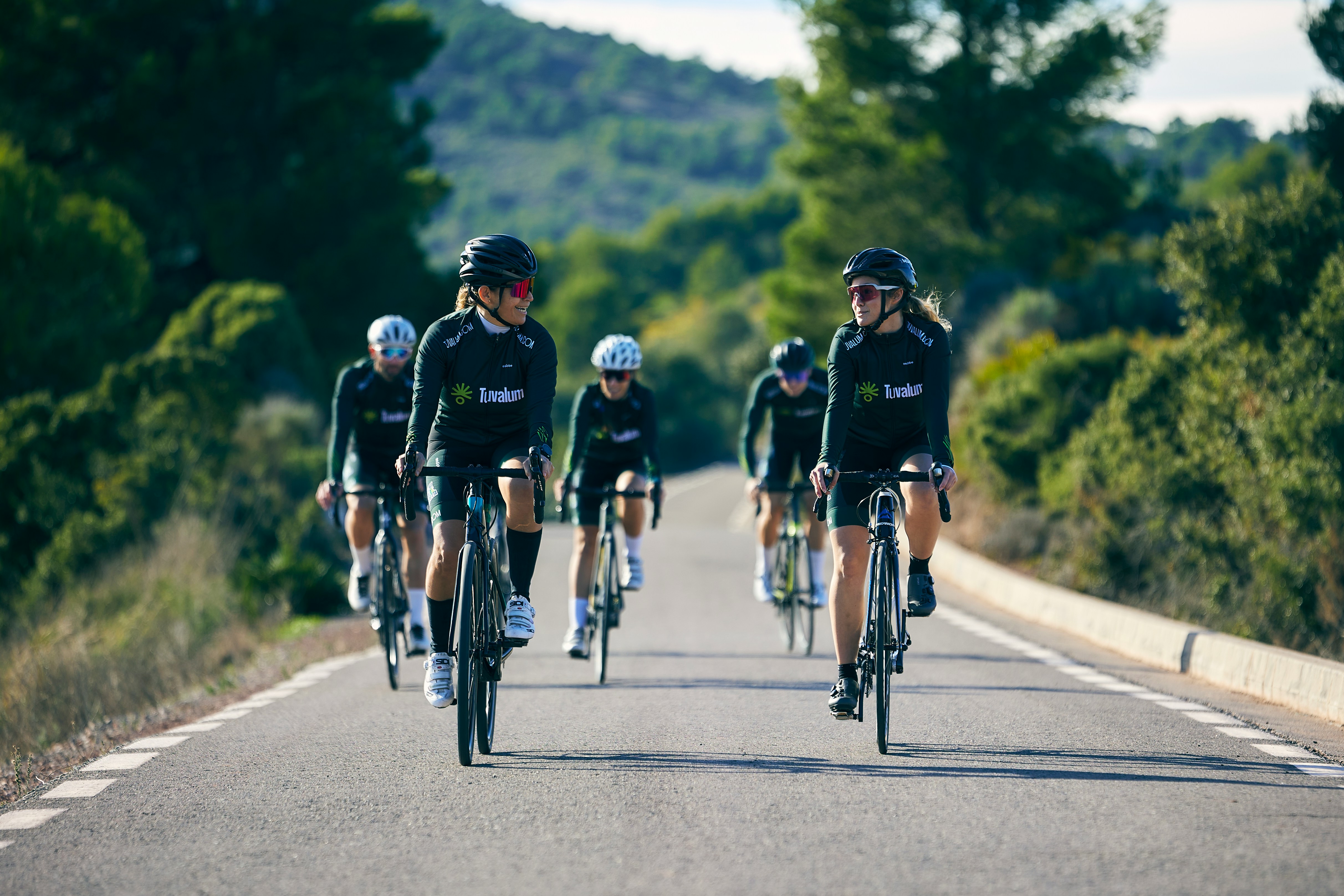
Overtraining shows as a persistent performance drop, deep fatigue, sleep or mood changes, and higher resting heart rate. Catch it early and cut load first.
A hard block can leave you tired for a few days. Overtraining risk is different: the fatigue pattern stays, and the same work costs more. Use trends across training output, sleep, mood, and heart-rate markers before you decide what to change.
Photo by Haberdoedas II on Unsplash.
Overtraining is best seen as a mismatch between stress and recovery, not a flaw in your willpower. When the mismatch lasts, your usual training stops giving the same return.
The aim is to spot drift before it turns into a long reset. That means weighing the ride file beside sleep, mood, soreness, and life stress.
Autumn can make this harder because late races, less daylight, and work stress often stack together. If that sounds familiar, review how life stress shapes cyclist recovery before adding more load.
A good training system lets fatigue rise, then lets adaptation catch up. That is the same logic behind balancing training and recovery across each block.
Treat overtraining as stress outpacing recovery inputs.
Watch trends across days and weeks, not one bad ride.
Check training output against sleep, mood, and life load.
In N+One terms: your threshold did not vanish; the training system around it drifted.
Your threshold did not disappear; the training system around it drifted.
The early pattern is usually dull, not dramatic. Workouts feel heavier, power drops at a familiar effort, and soreness hangs around longer than expected.
Sleep can also change. You may sleep long enough yet wake flat, tense, or less ready to train than your log would predict.
Mood and motivation matter because the brain is part of the recovery system. Irritability, low drive, and a stale feeling can sit beside the physical signs.
Do not treat one poor session as proof. Treat repeated poor output, poor sleep, and flat mood as a signal to act.
Look for fatigue that does not lift after easy days.
Compare power or pace with your usual perceived effort.
Note sleep that feels unrefreshing despite enough time in bed.
Track soreness that lasts longer than your normal pattern.
Early signs include sustained performance decline, persistent fatigue, sleep or mood changes, increased resting heart rate, and recurrent…
Data analysis is free, forever. The Dynamic Coach is Pro. Connected to Garmin, Strava, Whoop, and intervals.icu.
No single metric proves overtraining. A useful screen combines what you feel with what your devices and workouts show.
Start with a daily check on sleep quality, mood, soreness, and perceived recovery. Keep it simple enough that you will do it before coffee.
Then add resting heart rate, HRV trend, and training output from key rides. If your tools disagree, this guide to why recovery apps disagree can help you avoid chasing noise.
Power is most useful when tied to context. A familiar steady effort can show whether the same work now costs more breath, strain, or focus.
Log sleep, mood, soreness, and perceived recovery each morning.
Watch resting heart rate and HRV as trends, not verdicts.
Use familiar steady efforts to compare output and feel.
Do not change the plan from one odd metric alone.
In N+One terms: pair how you feel with what the wearables say; the system-level trend decides.
Pair how you feel with what the wearables say; the system-level trend decides.
One tactical email with training ideas and product updates. No spam — unsubscribe anytime.
Keep reading
- Sleep Efficiency vs Sleep Duration for Cyclists: Which One Drives Performance — Sleep efficiency vs sleep duration for cyclists: what matters first, what PubMed evidence can and cannot say, and a 7-day protocol to adjust sleep an...
- Cycling Recovery Techniques That Actually Work — Evidence-based cycling recovery techniques and how N+One’s AI cycling coach personalizes recovery to speed adaptation, prevent burnout, and keep you...
- Cold Exposure After Hard Sessions: Helpful, Neutral, or Counterproductive? — Cold exposure can help short-term recovery, but it may blunt adaptation after some hard sessions. Learn when cyclists should use or skip ice baths.
Your first move is to reduce total load while keeping the week structured. Cut volume before you cut every bit of intensity.
Keep only gentle sub-threshold work if you feel sharp, and skip hard efforts that need deep freshness. The goal is to hold rhythm without digging the hole deeper.
Sleep and food are not bonus items here. For practical steps, use better sleep habits for cyclists and steady fueling through the week.
Recovery tools can help, but they should not mask poor load control. If you use massage, easy spins, or heat, keep them as add-ons to rest, food, and sleep.
Cut total riding time for the next week.
Keep one gentle sub-threshold session only if you feel sharp.
Add easy days before adding more hard work.
Keep bed and wake times steady.
Eat enough to match the load you still do.
Most early drift should start to ease when you reduce load and tighten recovery. If it does not, widen the lens.
Seek medical input when symptoms persist, worsen, or come with new signs that do not fit normal training fatigue. A clinician can check for illness, iron issues, endocrine causes, or other factors.
A coach can also help rebuild the load pattern once serious causes are ruled out. For cyclists with stubborn fatigue, iron status and endurance performance is one area worth discussing with a qualified clinician.
Do not self-diagnose overtraining from an app score alone. Use the score as a prompt, then match it with symptoms, training history, and professional judgment.
Escalate if symptoms do not improve after reduced load.
Get help for fainting, chest discomfort, or marked unexplained weight loss.
Ask for support when mood changes disrupt daily life.
Use a coach or clinician to rebuild load safely.
In N+One terms: if the system will not re-balance after a short, clear intervention, escalate.
If the system will not re-balance after a short, clear intervention, escalate.
Day 1 — Reset: Reduce planned training volume for the week. Keep any interval work gentle and below threshold, and skip hard VO2-style work. Prioritize sleep opportunity and normal carbohydrate intake so recovery can catch up.
Days 2–4 — Stabilize: Ride easy on most days, and add one short sub-threshold session only if you feel sharp. Continue morning resting heart rate and subjective recovery logs. Add light mobility, a walk, or massage if it helps you relax.
Days 5–7 — Reassess: Repeat a familiar steady effort and compare it with your normal output and perceived strain. If recovery markers and perceived recovery move back toward baseline, reintroduce volume slowly. If not, keep load reduced and speak with a coach or clinician.
Overtraining shows as a persistent performance drop, deep fatigue, sleep or mood changes, and higher resting heart rate. Your next move is not to prove toughness; reduce load, protect sleep and food, track the trend, and escalate if the pattern does not turn.
Usually, no. One poor ride can reflect poor sleep, stress, heat, fueling, or normal fatigue. Act when several signs line up across days: lower output, higher strain, flat mood, poor sleep, and slow recovery.
Not always. If you feel sharp, keep one gentle sub-threshold session and cut volume first. If intensity feels unusually hard or your symptoms worsen, switch to easy riding and recovery.
No single marker can diagnose it. HRV and resting heart rate are useful context when they match your symptoms, training output, and sleep pattern.
Seek clinical input if symptoms persist despite reduced load, worsen, or come with unusual signs such as fainting, chest discomfort, marked weight change, or severe mood disruption.