Recovery Nutrition Timing: The 30‑Minute Window vs the 24‑Hour Reality
5 min read

The 30-minute recovery window is oversold. Learn how early carbs and protein fit into the bigger 24-hour recovery plan for cyclists.
On this page
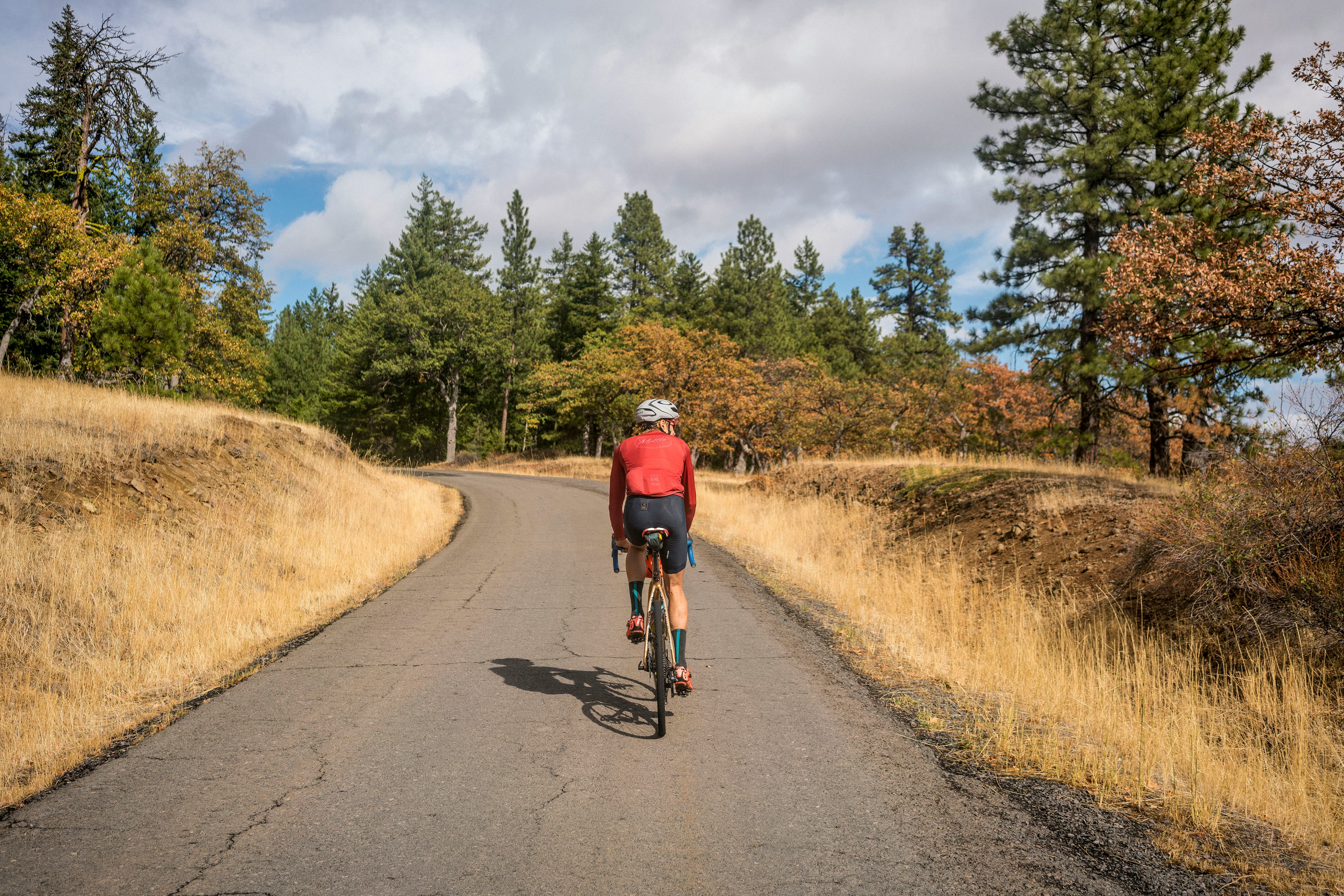
Photo by Ben Guernsey on Unsplash.
Short answer: the 30-minute window is oversold. Early carbs and protein help, but 24-hour intake matters more for recovery.
Cyclists chase the post-ride window because early feeding can support short-term recovery processes. The more useful frame is wider: protect the first couple of hours, then meet your needs across the full day.
Photo by Maurice Günther on Unsplash.
After a hard ride, your muscles are primed to take up fuel and use amino acids. That does not mean the clock shuts after 30 minutes.
Early carbohydrate can help start glycogen repletion, and protein can support muscle protein synthesis signals. PubMed-indexed literature frames these as time-sensitive processes, but not as a single all-or-nothing deadline.
Your system still needs the rest of the day. The same idea sits behind post-ride nutrition choices: timing helps, but the full intake pattern sets the floor.
When recovery feels flat, the cause is often not one missed shake. More often, the training system around you drifted: ride load, meal timing, sleep, and daily fuel no longer match.
Eat soon after hard rides when food is available.
Do not treat 30 minutes as a pass-fail test.
Build the rest of the day around steady meals.
Match food timing to the next ride, not to panic.
This protects the early window without losing the larger 24-hour target.
Your acute window widens into an actionable day plan.
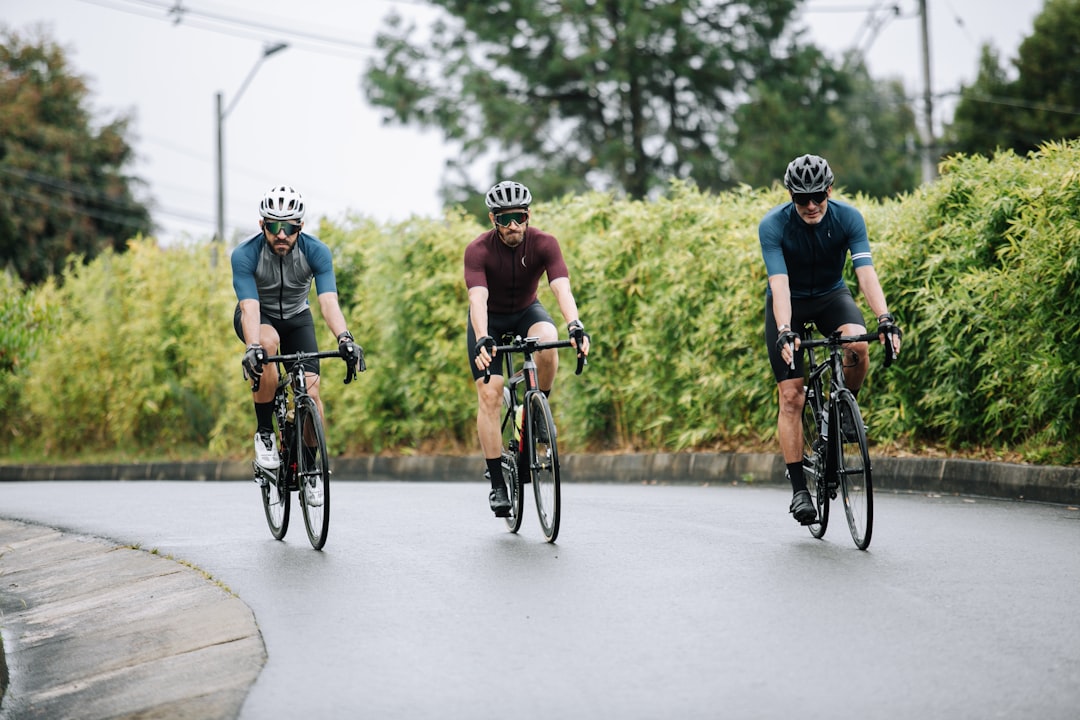
Photo by Munbaik Cycling Clothing on Unsplash.
The strongest safe claim is narrow: early feeding can help acute recovery steps, especially when training comes close together. The stronger practical claim is broader: total daily intake still matters most.
That is why strict claims about losing recovery after 30 minutes are not well framed. They turn a real short-term response into a brittle rule that riders cannot use well.
If you ride again soon, move carbohydrate earlier and keep protein close to the session. If the next hard ride is farther away, use the day to meet your needs without forcing a product or exact minute.
This is also why midweek fueling habits matter. A steady plan tends to beat a perfect post-ride snack followed by poor daily intake.
Feed earlier when another session is close.
Keep protein near hard or long rides.
Use whole food or drinks based on access.
Judge timing by the next demand.
Data analysis is free, forever. The Dynamic Coach is Pro. Connected to Garmin, Strava, Whoop, and intervals.icu.
One tactical email with training ideas and product updates. No spam — unsubscribe anytime.
There is some benefit to consuming protein and carbohydrates soon after hard exercise for immediate recovery processes.
Use one rule this week: get a mixed carbohydrate and protein meal soon after hard rides. Then spread the rest of your intake across the day.
The outline target of about 0.3–0.4 g/kg protein within two hours is a practical coaching rule, not a magic switch. Use it after intense or long rides, then place carbohydrate where it best supports the next session.
For two-a-day training, bring more carbohydrate forward before the second ride. For easier single rides, keep the habit simple and focus on the full day.
This fits the wider goal of balancing training and recovery. Keep intensity when it matters, but reduce noise around the plan so your body can use the work.
Plan the first meal before you ride.
Pair a protein source with a carb source.
Move carbs earlier before same-day training.
Keep easy-day feeding simple and repeatable.
This turns the 30-minute worry into a clear day plan.
Keep intensity intact, reorganize the volume of carbs across the day.
Keep reading
- Sleep Optimization for Cyclists: Why 8–9 Hours Beats Any Training Supplement — Sleep is the most powerful, low-cost performance tool a cyclist has. Learn why 8–9 hours of quality sleep outranks supplements, how sleep stages driv...
- Heat Acclimation for Cyclists: Sauna, Hot Baths, and Training Protocols — Heat acclimation for cyclists: how sauna, hot baths, and heat rides work, plus a practical 2-week protocol with safety and recovery rules.
- Iron Status in Cyclists: Ferritin, Hemoglobin, and Endurance Performance — Learn how ferritin, hemoglobin, diet, supplementation, and training edits fit together when cyclists suspect low iron status.
Myth one: if you miss 30 minutes, recovery is ruined. That is too strong for most riders who still eat enough across the day.
Myth two: only a recovery drink counts. Drinks can be useful when appetite is low, but food can work when you can eat it soon after riding.
Myth three: timing matters more than load, sleep, and total intake. Recovery is a system, so nutrition timing works best when it supports the rest of the system.
If readiness markers conflict with how you feel, keep the nutrition rule steady while you review why recovery apps disagree. The goal is one clear next move, not a stack of mixed signals.
Do not chase a perfect product.
Do not skip the rest of the day.
Do not use timing to fix too much load.
Do repeat the basics for one week.
Day 1: Record what you normally eat for 24 hours after a typical hard ride. Note meal timing, carbohydrate sources, protein sources, appetite, and ride feel.
Days 2–4: After each hard session, have about 0.3–0.4 g/kg protein within two hours. Add a convenient carbohydrate serving when another session is planned within eight hours.
Days 2–4: Keep key ride intensity the same, but cut non-essential volume by 10–20%. This keeps the signal while reducing recovery demand.
Days 5–6: Spread the rest of your daily carbohydrate across three to four meals. Use normal foods when possible, and use drinks only when time or appetite makes food hard.
Day 7: Compare perceived recovery, appetite, and key effort quality with Day 1. If recovery improved, keep the pattern; if not, keep intensity stable and seek coach or dietitian input.
Keep your usual intensity. For seven days, cut non-essential volume by 10–20%, pair carbohydrate and protein within two hours after hard rides, then meet your full-day needs.
No. Early feeding can help, but the 30-minute cutoff is too rigid. Aim to eat soon after hard rides, then meet your needs across the day.
Not always. A shake is useful when appetite, travel, or time blocks a meal. Whole food also works when you can eat it soon after training.
Yes, timing becomes more useful when sessions are close together. Bring carbohydrate earlier and keep protein near the first session.
Use a small, easy option first, then eat a fuller meal later. The aim is to start recovery without forcing a large meal.