Active Recovery Rides for Cyclists: How Easy Is Easy Enough to Actually Recover
5 min read

Learn how easy active recovery rides should be, when they help, when they backfire, and how to test your ideal recovery intensity for one week.
On this page
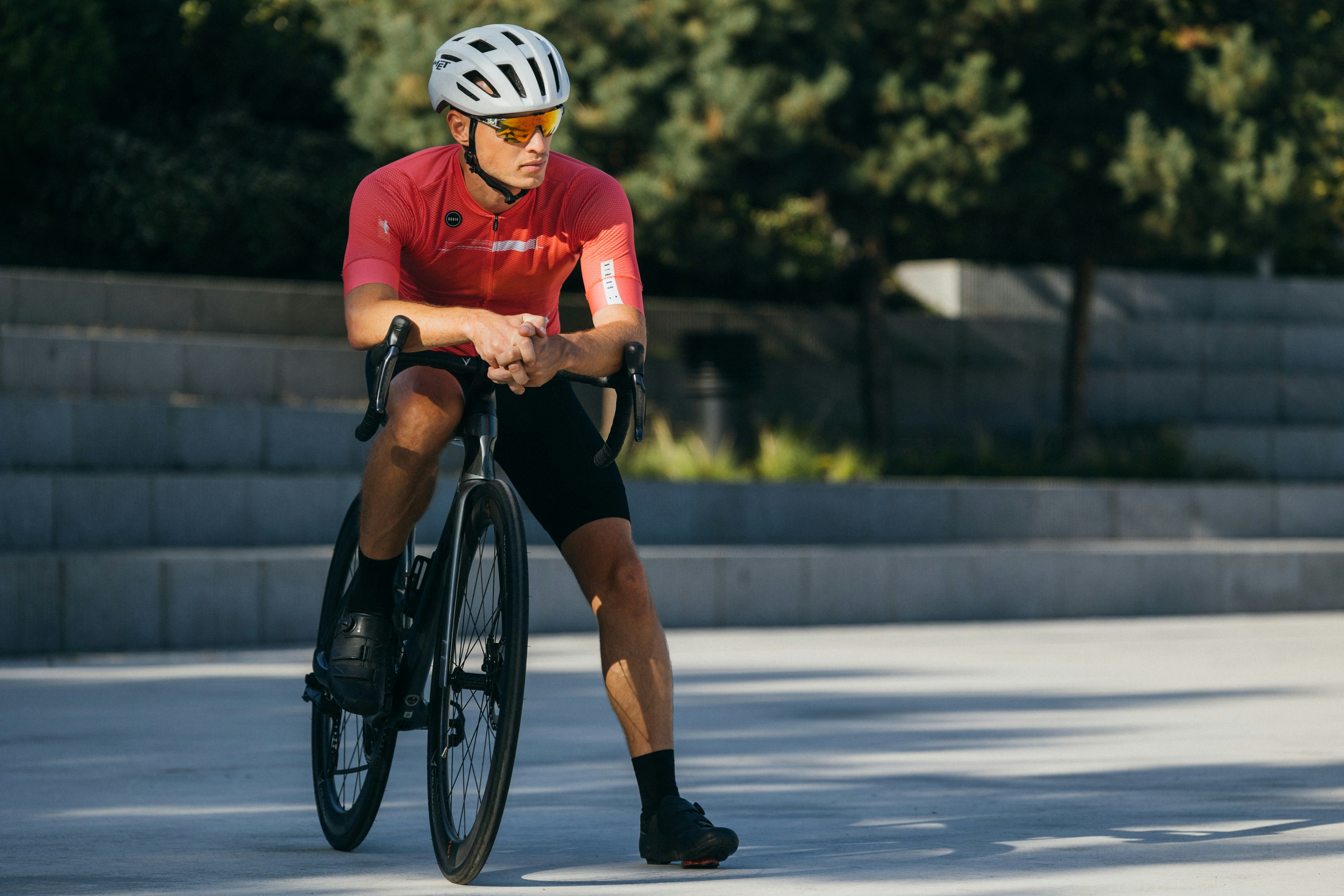
Photo by Oleg Kukharuk on Unsplash.
Active recovery rides should be easy enough to avoid adding training stress while keeping circulation and mobility online.
A recovery ride is not a hidden workout. It is a low-stress spin used between harder days, when the goal is to feel the same or better afterward. The hard part is not knowing that it should be easy; the hard part is keeping it easy when the road rises, the group speeds up, or your ego wants feedback.
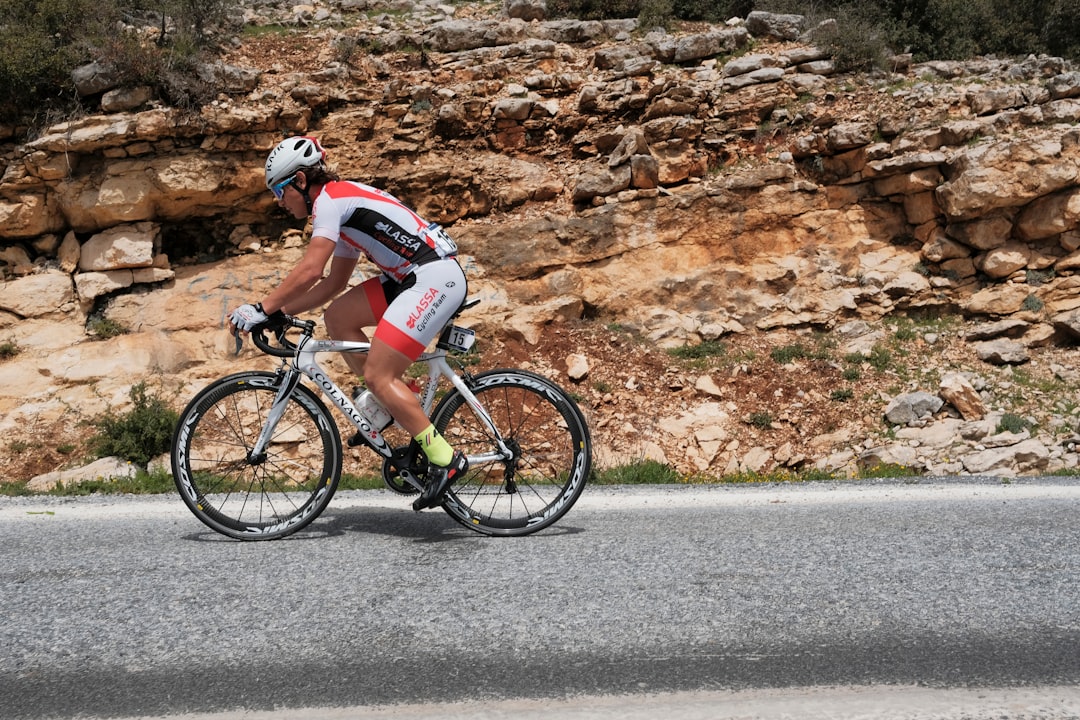
Active recovery is easy cycling done to support recovery, not to build more fitness that day. It can sit beside other cycling recovery methods that work, but it only helps when the load stays low.
The aim is simple: keep blood moving, keep joints loose, and leave the body with less strain than a normal ride. PubMed-indexed work on recovery supports keeping claims narrow, so treat this as a practical training tool, not a cure-all.
Intensity is the switch. If the ride becomes tempo by feel, it has stopped being recovery and has become training stress.
Keep the ride low intensity from start to finish.
Treat the ride as recovery, not missed training.
Stop chasing speed, average power, or group pace.
Check the next morning for heavy legs or poor freshness.
In N+One terms: keep intensity below the load that asks your body for more adaptation.
Your threshold did not disappear; your recovery inputs shifted, so the output dropped.
Photo by Dmitrii Vaccinium on Unsplash.
Start with the lower end of your easy range, then hold that ceiling even when the route tempts you. A recovery ride should feel almost too easy for the first half.
If you use power, keep the ride near the low recovery band from your plan, not near tempo. If you use heart rate, use it as a guardrail because drift can rise with heat, stress, or poor sleep.
RPE is often the cleanest check. You should speak in full sentences, breathe through calm effort, and finish without the need to sit down.
This is where many riders blur recovery and endurance work. If your week already has hard sessions, protect the easy day the same way you protect intensity, as explained in balancing training load and recovery.
Use RPE 2–3 on a 10-point scale.
If using FTP, stay roughly 55–65%.
Keep heart rate in a calm, easy band.
Avoid long pulls, climbs, and hard town-line jumps.
In N+One terms: pick the lower bound first, then let better legs earn more work later.
Purpose: Active recovery aims to maintain blood flow and mobility without creating new fatigue.
Data analysis is free, forever. The Dynamic Coach is Pro. Connected to Garmin, Strava, Whoop, and intervals.icu.
Active recovery can backfire when it adds load to a system that already needs quiet. That may happen after stacked hard days, poor sleep, travel, illness symptoms, or high life stress.
If your resting heart rate is clearly above baseline, or you feel flat before clipping in, full rest may fit better. For more context, see how life stress changes cyclist recovery.
The key sign is simple. If you feel worse after the ride, the ride was too hard or poorly timed.
Choose full rest when fatigue feels deep.
Skip the ride if illness symptoms are present.
Stop if easy power still feels forced.
Avoid group rides that turn into work.
A recovery session earns its place only when it improves the next decision, not just today’s training log.
One tactical email with training ideas and product updates. No spam — unsubscribe anytime.
Keep reading
- Heat Acclimation for Cyclists: Sauna, Hot Baths, and Training Protocols — Heat acclimation for cyclists: how sauna, hot baths, and heat rides work, plus a practical 2-week protocol with safety and recovery rules.
- Sleep Efficiency vs Sleep Duration for Cyclists: Which One Drives Performance — For cyclists, sleep duration is the first limiter when sleep is low. Once duration is adequate, sleep efficiency can drive the next recovery gain.
- Cycling Fueling Consistency: Stabilize Mid‑Week Performance — Improve cycling fueling consistency to steady energy, cleaner readiness signals, and better session quality.
Use a plain structure so the ride does not drift. Warm up very gently, settle into easy spinning, and cool down before fatigue creeps in.
Most riders do not need clever drills here. If your legs feel sharp, add one or two short spin-ups, but only if they stay smooth and playful.
Keep cadence comfortable and light rather than grinding. The point is to lower force per pedal stroke while keeping the whole ride calm.
Warm up for 5–10 minutes very easily.
Ride 20–60 minutes at recovery effort.
Use light gears and smooth cadence.
Add short spin-ups only if fresh.
Cool down before the ride feels like work.
The best recovery ride leaves a trace you can use. Track sleep, resting heart rate, leg feel, and mood before judging whether the ride worked.
HRV can help, but it should not overrule clear body feedback. If your tools disagree, read why recovery apps sometimes disagree before changing the whole plan.
Make one next move. If you feel better, keep the pattern; if you feel worse, cut the next session’s volume or take rest.
When the data is unclear, pair your resting heart rate with perceived freshness. N+One treats that mix as a training signal, much like readiness decisions from HRV and resting HR.
Log sleep, resting heart rate, and leg feel.
If worse afterward, reduce the next session.
If better afterward, repeat the same ceiling.
When unsure, take one passive rest day.
In N+One terms: keep the recovery promise by changing the next dose, not by forcing the plan.
Preserve the purpose of the day first, then adjust the next dose from the system’s response.
Day 1 — Easy recovery ride: Ride 30–45 minutes at conversational pace. Keep power near the low target or heart rate in a conservative band. No planned surges.
Day 2 — Training session or rest: If you feel fresh, proceed with your scheduled session. If not, take passive rest or an easy walk. Use resting heart rate and leg feel to guide the call.
Day 3 — Longer easy ride or active rest: Ride 45–75 minutes only if the first recovery ride left you the same or better. Keep the same low ceiling and skip spin-ups if legs feel dull.
Day 4 — Moderate session or reduced volume: If recovery markers are normal, do your planned moderate session. If markers remain blunted, cut session volume by about 20% or turn it into a steady aerobic ride.
Day 5–7 — Reassess and repeat: Use sleep, resting heart rate, and perceived freshness to choose normal training, reduced volume, or extra rest. If unsure, default to one passive rest day.
Active recovery rides should feel almost boring: short-to-moderate, clearly easy, and low enough that they do not add training stress. If you feel better the next day, keep the ceiling; if you feel worse, rest or lower the dose.
No. It may feel pleasant once you warm up, but it should not feel like a workout. If breathing, power, or group pace keeps rising, turn around or end the ride.
Sometimes. If fatigue is deep, sleep is poor, or illness symptoms are present, full rest is the cleaner choice. Active recovery is useful only when it leaves you the same or better.
Only if the group truly rides at your recovery pace. If you must chase, pull hard, or surge out of corners, the session is no longer recovery.
Make the next move conservative. Replace the next recovery ride with rest, or cut the next planned session’s volume before you add more hard work.